Coneflower Care (Echinacea 'Hot Papaya')

Coneflower

About Coneflower

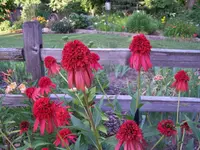
Echinacea 'Hot Papaya' is a herbaceous perennial in the coneflower group, valued for its bright, double, pompom-style orange-red blooms. It forms a sturdy clump with upright stems and rough, lance-shaped leaves that give a slightly coarse, prairie look.

This cultivar was bred from North American prairie species that naturally occur in open meadows and grasslands, so it is adapted to sun and moderate drought. Once established, it is generally easy to grow, with good cold hardiness and reliable flowering. Understanding how to care for Coneflower starts with providing full sun, well-drained soil, and avoiding prolonged wet conditions around the roots.

Main Plant Requirements

Care Difficulty

Easy Care

Light Preference

Full Sun

Water Requirements

Low Water

Temperature Preference

Cold Hardy

Hardiness Zone

4–9

Soil Texture

Sandy, Loamy, Organic-rich

Soil pH

Acidic (5.5–6.5), Slightly acidic (6.5–7.0)

Soil Drainage

Well-drained

Fertilization

Minimal (feed rarely)

Get Personalized Care Plan

Scan your plant to receive care tips personalized for your specific plant

Available on iOS and Android

How to Care for the Coneflower

This sun-loving perennial performs best in open, bright garden positions for strong flowering and sturdy stems.

  • Provide 6–8 hours of direct sun daily; morning to early afternoon sun is ideal for Echinacea 'Hot Papaya'.
  • Accepts light partial shade, especially with 2–4 hours of afternoon shade in very hot climates, but too much shade causes lanky growth and fewer blooms.
  • In summer heatwaves, mulch the soil to protect roots from overheating, and avoid reflected heat from walls that can scorch foliage and fade flowers.

This plant prefers drier conditions once established, relying on deep but infrequent watering in well-drained soil.

  • Water when the top 5–7 cm of soil is dry, applying a slow, deep soak at the root zone rather than light surface sprinkling.
  • Reduce watering in cool seasons; in active summer growth, watch for drooping leaves in dry weather as a sign to water.
  • Ensure sharply draining soil; persistent wetness, yellowing leaves, and soft crown tissue indicate overwatering and raised risk of root rot for Echinacea 'Hot Papaya'.

This hardy perennial tolerates a wide temperature range but grows best within a moderate, temperate band.

  • Optimal growing temperatures are 65–80°F (18–27°C), supporting strong stems and continuous flowering through the main season.
  • Dormant crowns survive winter down to about -20°F (-29°C) when planted in the ground with good drainage and some mulch protection.
  • Handles summer heat up to about 90–95°F (32–35°C) if soil is not waterlogged, but extreme heat with drought can scorch foliage and shorten bloom life.

This plant tolerates a broad humidity range and rarely needs special humidity management outdoors.

This perennial prefers freely draining, moderately fertile soil that never stays waterlogged.

  • Use a loose loam or sandy loam with 30–40% compost mixed into existing garden soil.
  • Ensure sharp drainage by incorporating coarse sand or fine grit, especially in heavy clay sites.
  • Aim for slightly acidic to neutral pH around 6.0–7.0 for reliable growth and flowering.
  • Avoid compacted, high-peat, or consistently wet substrates, which increase root rot risk for Echinacea 'Hot Papaya'.

This species grows well in containers when the pot supports its deep roots and upright, heavy stems.

  • Select a container at least 30–35 cm deep to accommodate the taproot and reduce tipping in wind.
  • Choose a sturdy, heavier material like ceramic or thick-walled plastic to stabilize the tall flowering stems.
  • Keep the soil line a few cm below the rim so water does not spill over, ensuring even soaking without runoff.

This cultivar of coneflower grows well in average soil and needs only light, targeted feeding.

  • Apply a balanced slow-release fertilizer (around 10-10-10) once in early spring as new growth starts.
  • On poorer soils, top-dress with a thin layer of compost in spring to support blooming.
  • Use fertilizers at 1/2 label strength if using liquid feeds during the growing season.
  • Stop feeding by late summer; do not fertilize in fall or winter to avoid weak, tender growth.

Echinacea 'Hot Papaya' benefits from simple seasonal pruning to maintain vigor and flowering.

  • Deadhead spent blooms in summer by cutting stems back to a strong leaf node to extend flowering.
  • Remove dead, damaged, or diseased stems promptly using clean, sharp hand pruners.
  • In late fall or very early spring, cut back old stems to 5–10 cm above ground to refresh growth.
  • Leave some seed heads over winter if desired for wildlife, then remove before new shoots elongate.

This perennial is usually grown in the ground, with transplanting done only when necessary.

  • Plan transplanting for early spring or early fall, when temperatures are mild and soil is moist.
  • Move plants if flowering declines, clumps become crowded, or growth is stunted despite good care.
  • Dig a wide hole, lift the clump with as much root ball as possible, and replant at the same depth.
  • Water deeply after transplanting, keep soil evenly moist for 2–3 weeks, and shade temporarily in hot sun to reduce stress.

Echinacea 'Hot Papaya' is best propagated by division to maintain the exact double-flowered form.

  • Divide mature clumps every 3–4 years in early spring as new shoots emerge.
  • Lift the clump and split it into sections, each with several buds and a good root portion.
  • Replant divisions immediately at original depth in well-drained soil and water thoroughly.
  • Seed propagation does not come true to type and is mainly used for breeding or experimentation.

This hardy perennial tolerates typical winters in most temperate regions with minimal attention.

  • In cold climates, apply a 5–8 cm mulch layer after the ground cools to insulate the root zone.
  • Allow stems to die back naturally; they offer some crown protection and wildlife value.
  • Cut back old stems in late winter or early spring before new growth resumes.
  • Container plants in very cold areas should be sunk into the ground or moved to a sheltered, unheated space.

Care Tips

Support heavy blooms

Install low, unobtrusive ring supports or a few sturdy stakes in late spring so the tall, double blooms do not flop or snap in summer storms.

Encourage strong clumps

Every 3–4 years, lift and divide congested clumps in early spring, replanting only the healthiest outer sections to maintain vigorous growth and consistent flowering.

Deadhead with selectivity

Cut back most spent flowers to just above a strong leaf node to extend blooming, but leave some late-season seed heads for winter interest and wildlife food.

Plan for air flow

Space plants so mature clumps just touch rather than crowd, which improves air circulation and reduces the risk of foliar diseases on this densely petaled type.

Monitor for crown stress

Inspect the crown region regularly for rot or borers and remove any soft, blackened tissue promptly, as early intervention is important when caring for Coneflower cultivars with large flower heads.

Common Pests and Diseases

Aster yellows

This disease causes distorted, stunted growth, yellowing foliage, and deformed, greenish flowers that never color properly. Symptoms include bushy or witch’s-broom growth and small, malformed cones.

Solution

Remove and discard the entire infected plant, including roots, as soon as symptoms are clear, since there is no cure. Control leafhoppers, which spread the pathogen, by using insecticidal soap or a light horticultural oil spray and avoid planting new coneflowers right next to badly affected beds for a season.

Leafhoppers

These insects feed by piercing and sucking sap from leaves, leading to pale speckling, slight leaf curl, and reduced vigor; they also transmit aster yellows. This pest is small and fast-moving, often jumping when disturbed.

Solution

Reduce numbers by using a strong stream of water to dislodge insects from foliage and by encouraging natural predators such as spiders and lady beetles. Where pressure is high, apply insecticidal soap or neem oil to the undersides of leaves in the evening, repeating every 7–10 days as needed while monitoring for signs of aster yellows.

Powdery mildew

This disease produces white, powdery patches on upper leaf surfaces, especially in warm days and cool nights with poor air circulation. Symptoms include premature leaf yellowing and a general decline in plant appearance, although flowering often continues.

Solution

Improve air movement by thinning crowded stems and avoiding overhead watering, and water early in the day so foliage dries quickly. Remove and dispose of heavily infected leaves and, if needed, apply a sulfur or potassium bicarbonate fungicide labeled for ornamentals, treating nearby coneflowers at the same time to limit spread.

Japanese beetles

These insects skeletonize leaves and chew petals, often clustering on flowers and cones in mid-summer. Damage appears as lacy foliage and ragged blooms with only leaf veins left intact.

Solution

Hand-pick beetles in the early morning into a container of soapy water to quickly reduce feeding, focusing on flower clusters where they congregate. To reduce future pressure, avoid placing beetle traps near plantings and consider using row covers or fine netting during peak flight if infestations are heavy.

Gray mold

This disease, caused by Botrytis, leads to soft, water-soaked spots on petals and leaves that turn brown and develop fuzzy gray mold in cool, damp weather. Flowers may collapse and stems can rot at the base in prolonged wet conditions.

Solution

Promptly remove and discard affected flowers and foliage, and keep spent blooms deadheaded to reduce infection sites. Improve drainage and spacing to keep plants drier, avoid overhead watering during cool, cloudy periods, and in persistent outbreaks consider a preventive fungicide labeled for Botrytis on ornamentals, following all label directions as part of Echinacea 'Hot Papaya' care.

Interesting Facts

Double-form hybrid origin

This cultivar is a complex hybrid selected from breeding work with Echinacea purpurea and related species, which gives it the fully double, chrysanthemum-like flower form not seen in wild coneflowers.

Color-changing flower heads

Flower heads typically open in a vivid orange-red, then age through warmer red-orange tones and finally to softer, dusky shades, so a single plant often shows multiple color stages at once.

Heavy-flowering habit

Compared with many older echinacea cultivars, this selection is known for producing a high number of densely petaled blooms on strong stems over a long mid-to-late summer season, which is one reason it became popular among growers selecting for showy garden performance.

FAQs about Coneflower

Lack of blooms often comes from too much shade, overcrowding, or rich, high‑nitrogen fertilizer. Deadhead spent flowers, divide congested clumps every few years, and ensure full sun and moderate fertility to support reliable flowering.

Grow Healthy Plants with Botan Care

Keep your plants happy and healthy with plant identification, disease detection, and easy care guidance.

Botan plant care app — identify plants on mobile

Explore More Plants