Allium atrosanguineum Care

Allium atrosanguineum

About Allium atrosanguineum

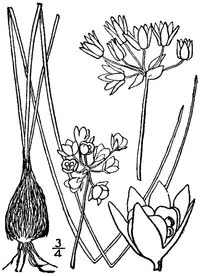
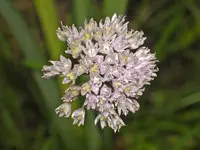
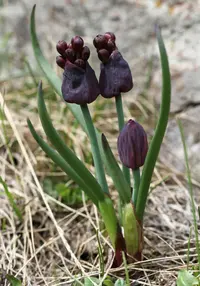
Allium atrosanguineum is a hardy, bulb-forming ornamental onion known for its deep wine-red to purple spherical flower heads. The erect stems rise above narrow, grass-like leaves, giving a tidy, vertical look in mixed borders or rock gardens.

This species is native to high-altitude regions of Central Asia, where it grows in open, well-drained, often rocky sites. Its alpine origin makes it relatively tough, cold tolerant, and suited to low- to moderate-fertility soils.

Gardeners who care for Allium atrosanguineum usually find it undemanding if it receives good light, sharp drainage, and avoids prolonged waterlogging.

Main Plant Requirements

Care Difficulty

Easy Care

Light Preference

Full Sun

Water Requirements

Moderate Water

Temperature Preference

Cold Hardy

Hardiness Zone

3–8

Soil Texture

Sandy, Loamy, Rocky

Soil pH

Slightly acidic (6.5–7.0), Neutral (7.0)

Soil Drainage

Well-drained

Fertilization

Minimal (feed rarely)

Get Personalized Care Plan

Scan your plant to receive care tips personalized for your specific plant

Available on iOS and Android

How to Care for the Allium atrosanguineum

This high-mountain ornamental onion prefers open, sunny positions with cool roots and strong light for flowering.

  • Provide 6–8 hours of direct sun daily; full sun is ideal in cool and temperate climates for strong stems and dense umbels.
  • Tolerates light partial shade, especially with morning sun and light afternoon shade in hotter regions, but flowering may be looser and stems more inclined to lean.
  • In summer, intense afternoon sun combined with very dry soil can scorch foliage; Allium atrosanguineum performs best where soil does not bake hard around the bulbs.

This bulb prefers moderately dry conditions and is sensitive to both prolonged drought during growth and standing water.

  • Water only when the top 3–5 cm of soil are dry during active growth, then water deeply so moisture reaches the bulb zone, letting excess drain completely.
  • Use sharply drained soil or a raised bed; soggy or compacted soil increases risk of bulb rot, mushy bulbs, and yellow, collapsing foliage from overwatering.
  • Reduce watering sharply once leaves begin to yellow after flowering, and keep almost dry during dormancy, giving only occasional moisture if soil turns powder-dry.

This hardy bulb thrives in cool to temperate climates with cold winters and mild to warm summers.

  • Active growth and flowering occur best at 55–70°F (13–21°C), with cool nights that mimic its native high-elevation conditions.
  • Dormant bulbs tolerate winter lows around -20°F (-29°C) in well-drained soil, especially under snow cover or a light mulch layer.
  • In summer, plants tolerate up to about 85–90°F (29–32°C) if soil stays free-draining; prolonged extreme heat with wet soil can stress bulbs and shorten lifespan.

This bulb tolerates typical home humidity but grows best in slightly dry to moderate air.

  • Aim for 30–50% humidity, which suits Allium atrosanguineum and helps prevent fungal issues.
  • Dry indoor air is usually acceptable if soil moisture is correct and the bulb is not overwatered.
  • Signs of humidity stress include lingering leaf moisture and fungal spots; improve airflow rather than misting to reduce surface dampness.

This species needs lean, well-drained mineral soil to keep bulbs dry and prevent rot.

  • Use a sandy or gritty loam with low to moderate organic content so water drains within minutes after watering.
  • Aim for slightly alkaline to neutral pH around 6.5–7.5, which supports nutrient availability and bulb health.
  • Mix coarse sand or horticultural grit with a small amount of compost to improve structure while keeping drainage fast.
  • Avoid heavy clay, compacted ground, or waterlogged beds; raised beds or rock-garden style pockets give better aeration.

This species is suitable for container growing when drainage and bulb spacing are managed carefully.

  • Choose a deep pot that allows at least 10–15 cm of soil below the bulbs so roots can anchor and access moisture evenly.
  • Use a heavy or wide-based container outdoors to prevent tall flower stems from tipping the pot in wind.
  • Set the container slightly raised on pot feet or bricks so drainage holes never sit in collected water after rain or watering.

This hardy bulb needs only light feeding to maintain flowering performance in average garden soil.

  • Apply a thin layer of compost around Allium atrosanguineum in early spring as growth starts, keeping it off the bulb necks.
  • Use a balanced slow-release fertilizer (around 10-10-10) once per spring in poorer soils to support foliage and bloom production.
  • If using liquid feed, apply at half strength every 4–6 weeks during active growth, then stop once foliage begins yellowing.
  • Avoid fertilizing during summer dormancy or winter, since inactive bulbs do not take up nutrients and excess salts can build up.

Pruning needs are minimal and focus on tidiness and maintaining bulb health rather than shaping.

  • After flowering, deadhead spent blooms with clean snips to reduce unwanted self-seeding while leaving green leaves intact.
  • Allow foliage to yellow and dry naturally, then cut it back at the base to let nutrients return to the bulb.
  • Remove any damaged, diseased, or badly bent stems promptly to limit disease spread in dense plantings of Allium atrosanguineum.
  • Use clean, sharp scissors or hand pruners, disinfecting blades between plants if fungal problems have been present.

This ornamental allium is usually grown in beds or rock gardens and is moved only when clumps become crowded or poorly flowering.

  • Check for reduced flowering, very dense clumps, or bulbs pushing to the soil surface as signs that transplanting is helpful.
  • Lift and move bulbs in late summer to early fall, after foliage has fully died back and the bulbs are dormant.
  • Transplant every 4–5 years into sharply drained soil, replanting bulbs at about 2–3 times their height with good spacing.
  • Handle bulbs gently, keep roots shaded and slightly moist, and replant promptly to limit transplant shock and rot risk.

Propagation is commonly done by bulb division, with seed raising used mainly for larger batches or breeding work.

  • Divide offsets in late summer or early fall, lifting dormant clumps and gently separating small bulbs from the parent.
  • Replant divisions at 2–3 times bulb height in gritty, well-drained soil, water once to settle, then keep on the dry side.
  • Sow fresh seeds of Allium atrosanguineum in pots outdoors in fall, allowing natural winter chilling to break dormancy.
  • Provide bright light, cool conditions, and even moisture for seedlings, then grow on for several years before flowering size.

This species is generally cold hardy in temperate climates and requires only basic winter precautions in most gardens.

  • Dormant bulbs tolerate freezing soil in the ground when drainage is sharp and waterlogging is avoided.
  • Apply a light mulch layer (2–5 cm) over the planting area in late fall in very cold or exposed sites.
  • For container-grown bulbs, move pots into a sheltered, unheated but frost-free or slightly protected spot to prevent repeated freeze–thaw cycles.

Care Tips

Bulb lifting schedule

In mild, wet climates, lift and dry the bulbs every 2–3 years after foliage dies back to prevent rot and overcrowding, then replant the firmest bulbs in fresh, well-drained ground in fall.

Targeted clump renewal

Mark the best-flowering clumps during bloom, then divide and replant only those clumps after dormancy to gradually build a planting of stronger, more floriferous bulbs.

Seed head management

If you want reliable reflowering, remove most seed heads once they start to dry so the bulbs conserve energy, but leave a few if you wish to encourage limited self-seeding in suitable sites.

Smart companion placement

Plant among low, late-emerging perennials or ornamental grasses so their foliage can mask the onion leaves as they yellow and collapse, while still allowing full sun to reach the bulbs earlier in the season.

Rodent and pest deterrence

In areas with vole or squirrel pressure, set bulbs in plastic mesh bulb cages and avoid organic mulches directly over the planting zone, which can harbor pests and excess moisture when growing Allium atrosanguineum.

Common Pests and Diseases

onion thrips

This pest feeds on leaves and flower stalks, causing silvery streaks, tiny black specks of frass, and reduced vigor in allium species in dry, warm weather.

Solution

Spray plants thoroughly with a strong jet of water to dislodge thrips, then apply insecticidal soap or a horticultural oil labeled for thrips, repeating every 5–7 days in warm periods; reduce nearby grassy weeds and avoid excessive nitrogen fertilization to make stands less attractive.

allium leaf miner

This pest is a small fly whose larvae tunnel inside leaves and stems, leading to winding mines, distorted growth, and possible collapse of the flowering stem.

Solution

Remove and destroy infested foliage and bulbs at the end of the season, use fine insect mesh over plants during the main egg‑laying periods, and rotate planting areas so the pest is less likely to find emerging bulbs in the same spot each year; in heavily affected regions, time planting so growth avoids the main flight periods where possible.

downy mildew

This disease causes pale, yellowish patches on leaves that later show gray to purplish fuzzy growth, especially in cool, moist conditions, and can weaken plants so bulbs do not store well.

Solution

Space plants to improve airflow, water at soil level in the morning, and promptly remove affected leaves; in areas with recurring problems, use a preventive fungicide labeled for downy mildew on edible alliums and avoid replanting in the same bed with infected debris left in place.

botrytis leaf blight

This disease leads to small, white to tan spots with water‑soaked edges on leaves that can merge and cause tip dieback, especially during prolonged wet or humid weather.

Solution

Remove and discard infected foliage, avoid overhead irrigation, and thin plantings to dry quickly after rain; in beds with a history of botrytis, apply a registered fungicide preventively during extended wet periods and rotate plantings with non-allium crops for several years.

bulb nematodes

These microscopic roundworms invade bulbs and basal plate tissue, causing swollen, misshapen bulbs, soft or spongy scales, and weak or stunted shoots the following season.

Solution

Discard any suspect bulbs and do not compost them, plant only clean, certified stock, and avoid reusing contaminated soil or beds for alliums for several years; for valuable plantings, hot‑water treat dormant bulbs at carefully controlled temperatures following detailed Allium atrosanguineum care instructions from a reliable extension source to kill nematodes without damaging the bulbs.

Interesting Facts

High‑altitude specialist

This species occurs naturally in alpine and subalpine regions of Central Asia and the Himalayas, where it grows in open, rocky slopes and meadows exposed to intense sun and strong winds.

Variable flower color

Its umbels bear tightly packed, small, bell-shaped flowers that range from deep wine red and purple to pinkish tones, a color variability that is notable within a single wild Allium species.

Early pollinator resource

In its native mountain habitats, it often flowers soon after snowmelt, providing nectar and pollen for early-season bees and other insects when few other blossoms are available.

Botan icon

Did you know?

Allium atrosanguineum has been recorded growing at elevations above 3,500 m in parts of its native range, making it one of the ornamentally used alliums adapted to some of the thinnest, coldest air where bulbous plants can still complete a full growing season.

FAQs about Allium atrosanguineum

This species usually flowers in late spring to early summer, depending on climate. It produces tight, spherical umbels of deep purple to wine-red flowers that last several weeks, especially in well-drained soil and full sun exposure.

Grow Healthy Plants with Botan Care

Keep your plants happy and healthy with plant identification, disease detection, and easy care guidance.

Botan plant care app — identify plants on mobile

Explore More Plants