Staggered Succession Sowing
Sow small batches every 2–3 weeks from spring to early summer so flowering is spread over a longer season and gaps from spent plants are automatically filled.

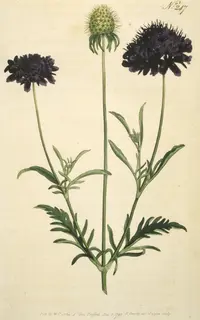
Mourningbride, Scabiosa atropurpurea, is an annual or short-lived perennial flowering plant grown mainly for its rounded, pincushion-like blooms on slender, branching stems. It usually forms an upright, airy clump with long, wiry flower stalks that move easily in the wind, making it useful in borders and cut flower gardens.
This species is native to the Mediterranean region but is widely cultivated in temperate climates. It is generally considered easy to grow, as it adapts well to average garden soils and regular watering, provided drainage is good.
For most home gardeners, it is straightforward to care for mourningbride if the plant receives plenty of light, moderate moisture, and reasonably fertile, well-drained soil.

Care Difficulty
Moderate Care

Light Preference
Full Sun

Water Requirements
Moderate Water

Temperature Preference
Cool Climate

Hardiness Zone
3–7

Soil Texture
Sandy, Loamy, Rocky

Soil pH
Acidic (5.5–6.5), Slightly acidic (6.5–7.0)

Soil Drainage
Well-drained

Fertilization
Light (every 4–6 weeks)
Scan your plant to receive care tips personalized for your specific plant
Available on iOS and Android
This sun-loving annual thrives with strong light in most temperate gardens.
This plant prefers evenly moist, well-drained soil rather than constant wetness.
This species grows best in mild, temperate conditions with moderate summer heat.
This species prefers relatively dry air and usually does not need special humidity control outdoors.
Scabiosa atropurpurea grows best in well-structured, lean soil that drains quickly.
This species is well suited to container growing when drainage and stability are managed carefully.
This flowering annual benefits from modest feeding to support continuous blooms without excessive foliage growth.
Scabiosa atropurpurea responds well to light, timely pruning that extends flowering and keeps plants compact.
This plant is most often grown as a bedding annual, so transplanting timing and technique matter more than frequent repotting.
Most home gardeners multiply this species by seed, which offers high success and many flowering plants at low cost.
This ornamental is usually grown as a warm-season annual and does not tolerate prolonged hard freezes.

Plant Health Check
Not sure what's wrong with your plant? Check your plant's health inside the app.
The deep maroon to almost black color of many mourningbride cultivars comes from high concentrations of anthocyanins, water‑soluble pigments that help protect the flowers from UV light and can make them more visible to certain pollinators.
Its pin-cushion style flower heads are actually dense clusters of many tiny florets that open in sequence, providing nectar and pollen over an extended period and attracting bees, butterflies, hoverflies, and other beneficial insects.
This species is native to the Mediterranean region, where it evolved to cope with hot, dry summers and mild, wetter winters, which is why it often performs best in well-drained soils and climates with pronounced seasonal dryness.

The common name mourningbride is linked to the flower’s traditional use in Victorian-era mourning arrangements, where its very dark blossoms symbolized grief and remembrance in the language of flowers.
Poor flowering often comes from too little light, excess nitrogen fertilizer, or old, exhausted plants. Crowding, heat stress, and lack of deadheading also reduce blooms. Refresh plants regularly, thin overcrowded clumps, and remove spent flowers to sustain flowering.
Keep your plants happy and healthy with plant identification, disease detection, and easy care guidance.