Mexican bluebell Care (Ruellia simplex)

Also known as: Mexican ruellia, Mexican petunia
Mexican bluebell

About Mexican bluebell

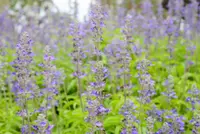
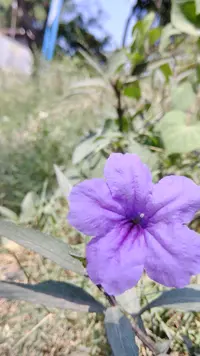
Mexican bluebell (Ruellia simplex) is a perennial flowering plant often grown as a bedding or border plant in warm climates. It forms upright clumps with narrow green leaves and trumpet-shaped purple, pink, or white blooms.

This species is native to Mexico and parts of Central and South America, where it often grows in warm, humid, and seasonally wet areas. In suitable climates it can spread quickly, which makes it vigorous but sometimes invasive outdoors.

Its strong growth, tolerance of heat, and ability to handle short dry periods make it relatively easy to grow. Understanding how to care for Mexican bluebell mainly involves managing its spread and providing sun, moisture, and well-drained soil.

Main Plant Requirements

Care Difficulty

Easy Care

Light Preference

Full Sun

Water Requirements

Regular Water

Temperature Preference

Tropical / Frost Sensitive

Hardiness Zone

8–11

Soil Texture

Sandy, Loamy, Organic-rich

Soil pH

Acidic (5.5–6.5), Slightly acidic (6.5–7.0)

Soil Drainage

Moist but well-drained

Fertilization

Minimal (feed rarely)

Get Personalized Care Plan

Scan your plant to receive care tips personalized for your specific plant

Available on iOS and Android

How to Care for the Mexican bluebell

This sun-loving perennial needs strong light to flower heavily and stay compact.

  • Provide 6–8 hours of direct sun, ideally with gentle morning sun and some protection from harsh late-afternoon summer sun in very hot climates.
  • It tolerates partial shade (around 3–4 hours direct sun) but will produce fewer blooms and may grow taller and sparser; Mexican bluebell flowers best in brighter sites.
  • Watch foliage for stress: pale, scorched, or crispy leaves suggest too much intense sun, while weak, floppy stems and poor flowering suggest insufficient light.

This plant prefers evenly moist soil but copes with short dry spells once established.

  • Outdoors in the ground, water when the top 3–5 cm of soil feel dry; in hot weather this may be several times per week, but rely on soil feel rather than a fixed schedule.
  • Choose soil that drains well yet holds some moisture; standing water or heavy clay that stays soggy can cause root rot and yellowing leaves in Ruellia simplex.
  • In cooler months, reduce watering as growth slows; persistent wilting and dry, crisp leaf edges indicate underwatering, while soft, yellowing leaves can signal overwatering.

This warm-climate perennial grows best in consistently mild to hot conditions without frost.

  • Optimal growth occurs around 70–90°F (21–32°C); plants stay actively flowering through long warm periods and may slow slightly at the upper end of this range.
  • It tolerates short spikes up to about 95–100°F (35–38°C) if soil moisture is maintained, but prolonged extreme heat with dry soil can cause leaf scorch and reduced flowering.
  • Ruellia simplex is very frost-sensitive; damage often appears below 32°F (0°C), and top growth may die back, so in cooler regions treat it as a warm-season plant or protect from freezes.

This species grows best in moderately humid air but adapts to many home environments.

  • Aim for 40–60% humidity to reduce leaf edge browning and keep growth steady.
  • It tolerates short dry-air spells, but persistent humidity below 30% can cause curled, crispy leaves and slowed growth.
  • Increase humidity by grouping pots, placing a tray of water and pebbles nearby, or running a small humidifier in very dry rooms, especially for Mexican bluebell.

This plant prefers loose, moist, well-drained soil that does not stay waterlogged.

  • Use a loamy mix with 50–60% standard potting soil, 20–30% compost, and 10–20% perlite or coarse sand for both nutrients and structure.
  • Soil should drain freely within a few minutes after watering yet retain slight moisture, avoiding standing water around the roots.
  • Aim for slightly acidic to neutral pH (6.0–7.0), which supports nutrient availability and stable growth for Ruellia simplex.
  • Improve heavy clay by incorporating coarse sand and organic matter to increase aeration and prevent root suffocation or rot.

This species is well suited to container growing outdoors on patios or balconies.

  • Choose a wide, stable container to accommodate its spreading habit and prevent tipping in wind or heavy rain.
  • Select a pot material that matches your climate, using heavier clay to moderate moisture in wet areas and lighter plastic in very hot, dry locations.
  • Elevate the pot on feet or bricks so drainage holes stay clear and excess water can escape quickly after storms or deep watering.

Ruellia simplex benefits from modest feeding to support flowering in containers and nutrient-poor soils.

  • Use a balanced liquid fertilizer (such as 10-10-10 or 20-20-20) diluted to 1/2 strength for container plants.
  • Feed every 4–6 weeks during the warm growing season when plants are actively producing new stems and blooms.
  • Reduce feeding to 1 light application in late winter or stop entirely where growth slows markedly.
  • In the ground, enrich soil once a year with a thin layer of compost instead of frequent soluble fertilizers.

Pruning Ruellia simplex helps control spread, maintain shape, and support flowering performance.

  • Cut back spent flowering stems and remove dead or damaged growth in late winter or early spring using clean hand pruners.
  • Thin crowded or crossing stems at the base to improve air flow and reduce disease risk.
  • Shear or trim plants lightly after main flowering flushes to encourage compact, bushy regrowth and more blooms.
  • Dispose of unwanted stems promptly to limit self-seeding in garden beds and natural areas.

Transplanting or repotting Mexican bluebell focuses on managing its vigorous root system and spread.

  • Plan moves for early spring or early fall when temperatures are mild and moisture is more consistent.
  • Look for roots circling the pot, water running straight through, or stunted growth as signs a container plant needs a larger pot.
  • Shift to a container 2–5 cm wider, using well-drained soil; gently tease apart circling roots without tearing excessively.
  • Water thoroughly after transplanting, then keep soil evenly moist and shaded for 3–7 days to limit transplant shock.

Ruellia simplex is commonly propagated by division, stem cuttings, and self-sown seed.

  • Divide clumps in early spring, lifting sections with a spade and replanting divisions at the same depth in moist soil.
  • Take 8–12 cm softwood or semi-ripe cuttings in late spring to summer, rooting them in moist, well-drained mix with bright, indirect light.
  • Keep cuttings warm (70–80°F) and maintain high humidity until new leaves and root resistance develop.
  • Collect mature seeds from dry capsules, then sow on the surface of moist mix and keep lightly covered and consistently damp.

Ruellia simplex has moderate cold tolerance but needs protection in regions with hard freezes or prolonged frost.

  • In USDA zones 9–11, plants usually overwinter in the ground with minimal intervention aside from cleaning dead stems.
  • In cooler zones, add a 5–8 cm mulch layer around the root zone in late fall to buffer freeze–thaw cycles.
  • Move container plants indoors before temperatures drop below 40°F, placing them in bright light with slightly reduced watering.

Care Tips

Contain Spreading Roots

Use edging, root barrier, or large buried containers with drainage holes to confine rhizomes and prevent the plant from invading nearby beds or lawn areas when growing Mexican bluebell.

Cut Back After Flowering

Shear stems back by 1/3 after the main flowering flush to reduce legginess, encourage compact regrowth, and stimulate another round of blooms.

Deadhead To Limit Seed

Regularly remove spent flowers and developing seed pods if you want to reduce self-seeding and keep the planting more controlled.

Divide Aging Clumps

Every 2–3 years, lift and divide crowded clumps in early spring, replant the healthiest sections, and discard weak centers to maintain vigor and dense flowering.

Monitor For Rust

Inspect foliage in warm, humid periods for small rust-colored spots, promptly remove affected leaves, and improve spacing and air movement to slow disease spread.

Common Pests and Diseases

Aphids

These insects cluster on tender shoots and buds, sucking sap and causing distorted new growth and sticky honeydew on leaves and stems.

Solution

Spray stems and leaf undersides with a strong stream of water to knock aphids off, then use insecticidal soap or a neem oil spray every 5–7 days until populations drop, and remove heavily infested shoot tips to reduce reinfestation when growing Mexican bluebell in dense clumps.

Spider mites

This pest thrives in hot, dry conditions and causes fine speckling, dull foliage, and delicate webbing between Ruellia leaves and stems.

Solution

Increase humidity around the plant, hose down foliage thoroughly to remove mites and webs, then apply a miticidal soap or neem oil to both sides of leaves at 5–7 day intervals while monitoring for new damage during warm spells.

Leaf spot

This disease causes tan to dark brown circular or irregular spots on leaves, sometimes with yellow halos, leading to premature leaf drop in crowded plantings.

Solution

Prune and discard affected leaves, avoid overhead watering, improve spacing and airflow, and if spotting continues, use a copper-based or chlorothalonil fungicide labeled for ornamental leaf spots, applied according to label directions.

Powdery mildew

This disease appears as a white, powdery coating on upper leaf surfaces, which can lead to yellowing and reduced vigor in shaded or poorly ventilated sites.

Solution

Remove heavily infected leaves, increase sunlight and airflow where possible, water at soil level, and apply a sulfur or potassium bicarbonate fungicide labeled for powdery mildew at regular intervals until new growth emerges clean.

Whiteflies

These insects are small, white, moth-like pests that fly up in clouds when foliage is disturbed and cause leaf yellowing and honeydew buildup on Ruellia stems and leaves.

Solution

Use yellow sticky traps to monitor and reduce adult numbers, routinely hose down the foliage, and treat the undersides of leaves with insecticidal soap or neem oil, repeating applications weekly until the population is under control.

Interesting Facts

Crepuscular flowering habit

Individual flowers of this species usually open early in the morning and wither by afternoon, with new blooms produced daily from the same stems during the warm season.

Clonal spread by stolons

The plant forms dense colonies through above-ground creeping stems called stolons, which root at their nodes and allow rapid lateral expansion in suitable conditions.

Broad environmental tolerance

Ruellia simplex can grow in both seasonally flooded soils and relatively dry sites, and tolerates a wide range of light levels from full sun to bright partial shade, which contributes to its invasive behavior in some warm regions.

Botan icon

Did you know?

In several US states and territories, including Florida and Hawaii, Ruellia simplex is listed as an invasive ornamental escapee, and some regions formally restrict or discourage its sale due to its capacity to outcompete native wetland and roadside vegetation.

FAQs about Mexican bluebell

Lack of blooms usually comes from too much shade, heavy or waterlogged soil, or nutrient imbalance from high-nitrogen fertilizer. Improve light exposure, ensure well-drained soil, and use a balanced, low-nitrogen product to restore flowering.

Grow Healthy Plants with Botan Care

Keep your plants happy and healthy with plant identification, disease detection, and easy care guidance.

Botan plant care app — identify plants on mobile

Explore More Plants