Pinch For Bushiness
Lightly pinch back young shoot tips once or twice in early growth to encourage branching and a denser, more floriferous mound rather than tall, floppy stems.

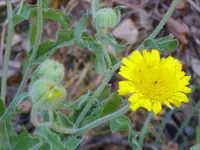
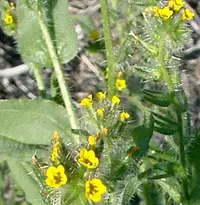
Common Andryala (Andryala integrifolia) is a short-lived herbaceous plant in the daisy family, often found in dry, open habitats. It typically forms loose, upright clumps with softly hairy, gray-green leaves and small yellow flower heads.
This species is native to Mediterranean regions but has naturalized in other warm, sunny areas, especially disturbed ground and roadsides. Its tolerance of poor, rocky soils and drought makes it relatively easy to maintain in low-input landscapes.
Gardeners who care for Common Andryala should note that it prefers full sun, well-drained soil, and only moderate moisture. It can self-seed where conditions suit it, so placement and monitoring matter in managed gardens.

Care Difficulty
Easy Care

Light Preference
Full Sun

Water Requirements
Low Water

Temperature Preference
Warm Climate

Hardiness Zone
8–11

Soil Texture
Sandy, Loamy, Rocky

Soil pH
Slightly acidic (6.5–7.0), Neutral (7.0)

Soil Drainage
Well-drained

Fertilization
Minimal (feed rarely)
Scan your plant to receive care tips personalized for your specific plant
Available on iOS and Android
This sun-loving Mediterranean wildflower performs best in bright, open conditions.
This species prefers dry to moderately dry conditions and is sensitive to excess moisture.
This plant is adapted to warm, dry climates with mild winters and hot summers.
Andryala integrifolia tolerates a wide humidity range and rarely needs special humidity management outdoors.
This species prefers lean, well-drained, sandy soil that does not stay wet for long.
This species can be grown in containers if the pot is set up to drain quickly and stay relatively dry between waterings.
This drought-tolerant wildflower generally needs minimal feeding in average garden soil, but light fertilization can support container-grown Common Andryala.
Andryala integrifolia benefits from light, timely pruning to maintain a neat mound and extend flowering.
This species is more often grown in borders than in pots, so transplanting young Andryala integrifolia plants is usually more relevant than frequent repotting.
New plants are most commonly raised from seed, which makes propagation of Andryala integrifolia straightforward for garden use.
In mild climates this Mediterranean species is fairly cold tolerant and usually needs only basic winter care in the ground.

Plant Health Check
Not sure what's wrong with your plant? Check your plant's health inside the app.
The foliage is densely covered with fine glandular hairs that make the leaves feel sticky and woolly, an adaptation that reduces water loss and deters small herbivores and insects in its dry Mediterranean habitats.
This species often colonizes disturbed, rocky, or nutrient-poor soils such as roadsides and fallow fields, where its deep root system and drought tolerance let it establish before many competing plants.
In its native range it produces yellow dandelion-like flower heads over an extended season, typically from late spring well into summer, providing a prolonged nectar and pollen source for a variety of insects.
The daisy-like yellow flower heads are rich in nectar and pollen and attract many small bees, hoverflies, and occasionally butterflies. Planting several specimens together increases visual impact and provides a more noticeable resource for pollinators.
Keep your plants happy and healthy with plant identification, disease detection, and easy care guidance.