


Site drainage check
Before planting, dig a 20–25 cm test hole and fill it with water; if it has not fully drained within 3–4 hours, raise the planting area with a low mound or use a rock garden-style bed to reduce root stress and rot risk.

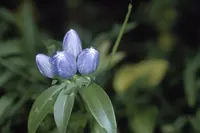
Bottle gentian, Gentiana clausa, is a hardy perennial wildflower native to eastern North America. It typically grows in moist meadows, woodland edges, and stream banks. The plant forms upright clumps with lance-shaped leaves and tight, bottle-shaped blue flowers that stay mostly closed, giving it a distinctive appearance. It blooms late in the season, often from late summer into fall, providing color when many other perennials fade. This species prefers cool conditions, consistent moisture, and rich, slightly acidic soil, so it can be challenging in hot, dry gardens. Those who care for bottle gentian need to respect its dislike of disturbance and its need for steady moisture.

Care Difficulty
Hard Care

Light Preference
Partial Sun

Water Requirements
Keep Soil Moist

Temperature Preference
Cold Hardy

Hardiness Zone
3–7

Soil Texture
Loamy, Silty, Organic-rich

Soil pH
Strongly acidic (4.5–5.5), Acidic (5.5–6.5)

Soil Drainage
Moist but well-drained

Fertilization
Minimal (feed rarely)
Scan your plant to receive care tips personalized for your specific plant
Available on iOS and Android
This species prefers cool, bright conditions with some protection from intense midday sun.
This plant prefers consistently moist, cool soil without standing water.
This hardy perennial thrives in cool to mild outdoor climates.
This species prefers moderately moist air but usually adapts to typical outdoor humidity.
This species prefers consistently moist, cool, well-aerated soil.
This species can grow in containers if moisture and depth are managed carefully.
Gentiana clausa usually needs modest feeding, especially in lean or sandy soils.
Gentiana clausa needs only light pruning to stay healthy and tidy.
This species is best grown in the ground; focus on careful transplanting rather than frequent repotting.
Propagation of Gentiana clausa is possible but somewhat slow and best suited to patient growers.
This cold-hardy perennial usually needs minimal winter care in its suitable climate range.

Plant Health Check
Not sure what's wrong with your plant? Check your plant's health inside the app.
The closed flowers are mainly pollinated by strong bumblebees that pry apart the fused petals to reach the nectar and pollen, an interaction that matches the plant’s late-season bloom when few other floral resources remain.
This species typically flowers from late summer into fall in its native eastern North American range, providing one of the last blue floral displays for pollinators before frost.
Its tubular, bottle-shaped blue flowers remain tightly closed and never fully open, an adaptation that helps protect pollen and nectar from rain and less effective insect visitors.

Gentiana clausa is considered an indicator of relatively undisturbed, moist acidic habitats such as fens, wet meadows, and open bog edges, so botanists sometimes use its presence to help assess the ecological quality of a site.
Lack of flowers usually comes from too much shade, dry soil in summer, or plants that are still immature. Ensure consistent moisture, cool roots, and no heavy fertilization with high nitrogen, which encourages leaves instead of buds.
Keep your plants happy and healthy with plant identification, disease detection, and easy care guidance.

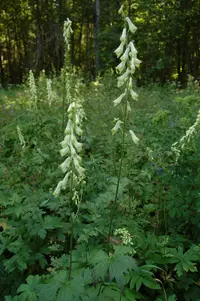
Aconitum lasiostomum
Aconitum lasiostomum
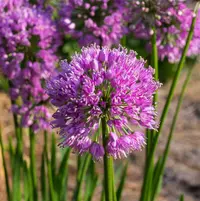
Ornamental Onion
Allium 'Millenium'
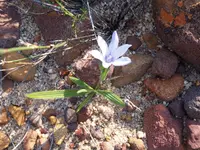
Autumn Bobbejaantjie
Babiana villosula
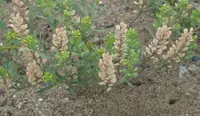
Alyssum turkestanicum
Alyssum turkestanicum
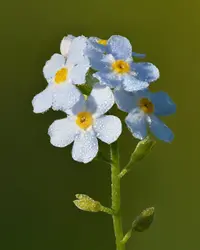
true forget-me-not
Myosotis scorpioides
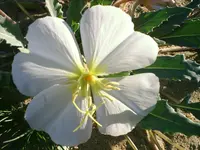
birdcage evening primrose
Oenothera deltoides
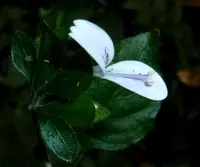
Hypoestes triflora
Hypoestes triflora
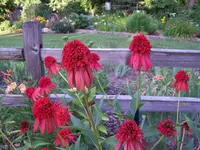
Coneflower
Echinacea 'Hot Papaya'