Hypoestes triflora Care

Hypoestes triflora

About Hypoestes triflora

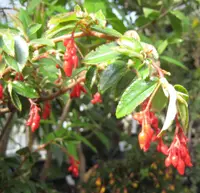
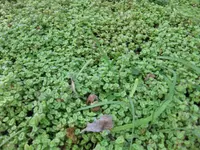
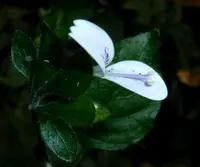
Hypoestes triflora is a compact tropical perennial known for its small, colorful, patterned leaves rather than showy flowers. It usually forms low, bushy clumps that suit tabletops, windowsills, and mixed indoor displays.

This species is native to parts of tropical Africa, where it grows in warm, shaded understory habitats. Its preference for stable warmth, moderate light, and evenly moist but free-draining soil makes it manageable indoors if conditions are consistent.

The plant responds poorly to neglect, irregular watering, and very low light, which can cause leggy growth and dull foliage. Understanding how to care for Hypoestes triflora mainly means providing steady conditions and avoiding extremes in dryness or direct harsh sun.

Main Plant Requirements

Care Difficulty

Moderate Care

Light Preference

Partial Shade

Water Requirements

Keep Soil Moist

Temperature Preference

Tropical / Frost Sensitive

Hardiness Zone

10–11

Soil Texture

Loamy, Organic-rich

Soil pH

Acidic (5.5–6.5), Slightly acidic (6.5–7.0)

Soil Drainage

Moist but well-drained

Fertilization

Light (every 4–6 weeks)

Get Personalized Care Plan

Scan your plant to receive care tips personalized for your specific plant

Available on iOS and Android

How to Care for the Hypoestes triflora

This plant prefers bright, indirect light to maintain strong color and compact growth.

  • Provide 4–6 hours of bright, filtered light daily, such as light through sheer curtains or under high tree canopy outdoors.
  • Tolerates light morning sun but avoid harsh midday or afternoon sun, which can scorch leaves and fade markings on Hypoestes triflora.
  • In winter or in shaded spots, move closer to a bright window or lighter area; leggy, pale stems indicate insufficient light and need for a brighter position.

Soil moisture should stay lightly moist but never waterlogged to keep this plant healthy.

  • Water when the top 2–3 cm of soil feels dry, using enough water to moisten the root zone, then let excess drain fully.
  • In warm, active growth periods, expect to water more often; in cooler months, allow slightly deeper drying while avoiding complete soil dryness.
  • Wilting, crisp leaf edges, and light pot weight suggest underwatering, while yellowing lower leaves and soggy, sour-smelling soil indicate overwatering and poor drainage.

Stable, warm temperatures support compact growth and good leaf color.

  • Aim for 65–80°F (18–27°C) for best growth, with only small night drops to avoid stress.
  • Protect from temperatures below 55°F (13°C); cold drafts, chilly windowsills, and sudden drops can cause leaf drop and slow recovery for Hypoestes triflora.
  • In hot periods above 85°F (29°C), give shade from intense sun and increase airflow; never expose the plant to frost, as freezing quickly kills foliage and stems.

This species benefits from moderately humid air and reacts quickly to very dry conditions indoors.

  • Aim for 50–60% humidity; it tolerates brief dips near 40% but growth may slow.
  • Crisping leaf edges, curling, and stalled new growth signal low humidity stress in Hypoestes triflora.
  • Increase humidity with a nearby pebble tray or grouped plants, but avoid misting if leaves stay wet for hours.

This plant prefers a light, airy, organic-rich mix that drains quickly yet holds some moisture.

  • Use a peat- or coco-based potting mix with 20–30% perlite and a small amount of fine bark for structure and aeration.
  • Ensure water drains through freely within seconds; if it pools on top, lighten the mix with more perlite or bark.
  • Aim for slightly acidic to neutral pH around 6.0–7.0, which supports nutrient uptake and balanced growth.
  • Avoid heavy garden soil, dense clay, or mixes with excessive compost that stay wet and promote root rot in Hypoestes triflora.

This species is well suited to container growing for balconies, patios, and indoor displays.

  • Choose a pot only 2–4 in wider than the root ball so the mix does not stay wet for long periods.
  • Select a breathable terracotta pot in humid or cool climates to help moisture evaporate faster from the root zone.
  • Use a stable, low and wide container if plants are grown dense, so the leafy top does not tip the pot when watered.

This plant responds well to modest, consistent feeding during the active growing season.

  • Use a balanced liquid fertilizer (for example 10-10-10 or 20-20-20) at 1/4–1/2 strength every 4–6 weeks in spring and summer.
  • Alternatively, apply a light layer of fine compost or a low-dose slow-release fertilizer at the start of the season.
  • Skip or greatly reduce feeding in fall and winter, when growth slows and nutrient demand is low.
  • Always water before applying fertilizer to limit root burn and salt buildup in the potting mix.

Pruning supports compact growth and helps maintain an attractive shape.

  • Best timing is late winter to early spring, with light touch-ups through the growing season as needed.
  • Remove dead, damaged, or crossing stems first to improve air flow and reduce disease risk in Hypoestes triflora.
  • Pinch or trim soft tips above a leaf node to encourage branching and fuller foliage.
  • Use clean, sharp scissors or small pruning shears, disinfected before and after use.

Container plants benefit from periodic repotting to maintain root health and steady growth.

  • Check for roots circling the pot, emerging from drainage holes, or unexplained slow growth as signals to repot Hypoestes triflora.
  • Plan to move into a pot 2–3 cm wider every 1–2 years, ideally in spring when active growth resumes.
  • Gently loosen circling roots, remove some old compacted mix, and replant at the same soil level in fresh, well-drained medium.
  • Water thoroughly after repotting, keep in bright but indirect light, and avoid heavy feeding for 2–3 weeks to limit stress.

Propagation is commonly done from softwood stem cuttings for consistent results.

  • Take 7–10 cm tip cuttings in late spring or early summer, choosing non-flowering shoots with at least 2–3 nodes.
  • Remove lower leaves, optionally dip the cut end in rooting hormone, and insert into a moist, sterile, soilless mix.
  • Maintain high humidity (cover with a clear dome or bag) and provide bright, indirect light at 70–80°F for rooting.
  • Seeds can also be sown on the surface of fine mix, kept evenly moist and warm, though seedlings vary more in traits.

This species is frost-tender and needs thoughtful winter management in cool climates.

  • Hypoestes triflora should not be exposed to frost; growth declines below about 55°F and plants may die near freezing.
  • Move container plants indoors before the first frost, placing them in bright, indirect light away from drafts and heat vents.
  • Reduce watering in winter, allowing the top layer of soil to dry slightly between waterings while avoiding complete drought.

Care Tips

Root pruning cycles

For container plants, lightly root prune and refresh 30–40% of the potting mix every 12–18 months to keep plants compact, dense, and responsive to new growth.

Pinch for branching

Regularly pinch just above a leaf node on overly tall stems to encourage multiple side shoots and a bushier canopy instead of a few leggy stalks.

Rotate for even color

Rotate pots by 90° every 1–2 weeks so all sides receive similar light exposure, which helps maintain uniform foliage color and reduces leaning toward the light source.

Quarantine and inspect

Quarantine any new plants for 10–14 days and inspect the leaf undersides with a magnifying glass so pests such as spider mites or aphids do not spread to established plants when caring for Hypoestes triflora.

Seasonal cutback

If the plant becomes sparse or loses color after flowering, cut stems back by about one-third and provide slightly higher light to stimulate a fresh flush of dense, colorful foliage.

Common Pests and Diseases

Spider mites

This pest commonly appears on stressed plants grown in warm, dry indoor air, causing tiny pale stippling on leaves and fine webbing on stems and undersides of foliage.

Solution

Rinse foliage thoroughly with a strong but gentle stream of water, then increase humidity and isolate the plant; if needed, apply insecticidal soap or a neem-oil-based spray to leaf undersides every 5–7 days until no new damage appears.

Aphids

These insects cluster on tender shoot tips and leaf undersides, sucking sap and causing curling, distortion, and sticky honeydew deposits that may attract sooty mold.

Solution

Prune off heavily infested tips, then wash remaining foliage with lukewarm water and treat colonies with insecticidal soap, ensuring full coverage of new growth and repeating at 5–7 day intervals until populations are controlled.

Leaf spot

This disease causes irregular brown or tan spots with darker edges on leaves, often starting on lower foliage where moisture lingers after watering or misting.

Solution

Remove and discard affected leaves, reduce overhead watering, provide better air circulation, and keep foliage dry; in persistent cases, use a copper- or chlorothalonil-based fungicide labeled for ornamental foliage plants, following the product directions carefully.

Powdery mildew

This disease appears as a white, powdery coating on upper leaf surfaces, leading over time to yellowing and reduced vigor, especially in crowded or poorly ventilated conditions.

Solution

Improve air movement, avoid wide swings between cool nights and warm, humid days, and remove heavily affected leaves; if needed, apply a labeled fungicidal spray such as potassium bicarbonate or sulfur, repeating according to product guidance to protect new growth while maintaining good Hypoestes triflora indoor care conditions.

Interesting Facts

Madagascar understory origin

This species is native to the shaded forest understory of Madagascar, where it grows as a small herb in leaf litter rather than as a shrub or tree.

Three-flowered arrangement

The species name triflora refers to its typical arrangement of three small tubular flowers grouped together on each inflorescence.

Distinctive spotted foliage

Unlike many green understory herbs, this plant naturally develops contrasting pale spots and mottling on its leaves, which likely help break up the leaf outline in dappled forest light.

FAQs about Hypoestes triflora

Brown leaf edges usually result from low humidity, irregular watering, or salt buildup from fertilizer. Maintain evenly moist but not soggy soil, flush the pot periodically with plain water, and increase ambient humidity for healthier foliage.

Grow Healthy Plants with Botan Care

Keep your plants happy and healthy with plant identification, disease detection, and easy care guidance.

Botan plant care app — identify plants on mobile

Explore More Plants