Use shallow pots
Choose a wide, shallow pot rather than a deep one to keep the fibrous roots close to the surface and reduce the risk of soggy lower soil that encourages rot.

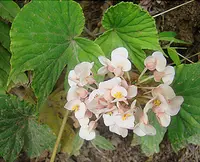
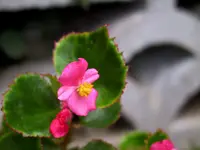
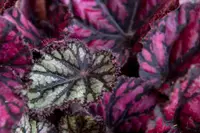
Begonia involucrata is a compact, rhizomatous begonia grown mainly for its textured foliage and seasonal clusters of small, often pinkish flowers. It tends to form low, leafy mounds rather than tall, upright stems.
In nature it is found in humid, shaded forest habitats in Central and South America, where it grows on the forest floor or among rocks with constant moisture. This background means it prefers bright, indirect light, evenly moist but well-drained soil, and good air movement.
Its moderate growth rate and need for stable humidity make it slightly more demanding than common houseplants, but still manageable for attentive growers who learn how to care for Begonia involucrata.

Care Difficulty
Moderate Care

Light Preference
Bright Indirect Light

Water Requirements
Keep Soil Moist

Temperature Preference
Tropical / Frost Sensitive

Hardiness Zone
10–11

Soil Texture
Loamy, Peaty, Organic-rich

Soil pH
Acidic (5.5–6.5)

Soil Drainage
Moist but well-drained

Fertilization
Light (every 4–6 weeks)
Scan your plant to receive care tips personalized for your specific plant
Available on iOS and Android
This understory species prefers bright, filtered light that mimics dappled forest shade.
Watering should keep the root zone lightly moist but never saturated.
Stable, warm conditions support healthy foliage and flowering.
This species prefers moderately high humidity and reacts quickly to dry air.
This plant needs a loose, airy, organic-rich mix that drains quickly but does not dry out instantly.
This species is well suited to container culture when the pot supports its shallow, fibrous root system.
This species responds well to light, consistent feeding during active growth.
Pruning keeps Begonia involucrata compact and encourages bushier growth.
Begonia involucrata benefits from occasional repotting to refresh soil and manage root health.
This begonia is commonly propagated from stem cuttings and sometimes by division.
This species is frost sensitive and needs protection in regions with cold winters.

Plant Health Check
Not sure what's wrong with your plant? Check your plant's health inside the app.
This species is native to humid Andean cloud forests of Ecuador, where it often grows on shaded, mossy slopes and rocky outcrops in consistently cool, moist air.
The species name involucrata refers to its conspicuous involucral bracts, which are modified leaves that subtend and visually frame the flowers, giving them an enlarged, layered appearance.
Its leaves have a fine pubescence, meaning a covering of tiny hairs, that creates a soft, velvety surface and slightly diffuses light hitting the leaf blade.
Brown leaf edges usually come from low humidity, missed waterings, or fertilizer salts building up in the potting mix. Consistent moisture, higher humidity, and occasionally flushing the soil with plain water usually reduce further browning on new growth.
Keep your plants happy and healthy with plant identification, disease detection, and easy care guidance.