fuchsia begonia Care (Begonia foliosa)

Also known as: Fern-leaved Begonia
fuchsia begonia

About fuchsia begonia

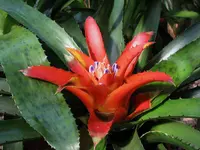
Fuchsia begonia, Begonia foliosa, is a shrubby, branching begonia known for its many small leaves and dangling clusters of bright, tubular flowers. It often forms a graceful, arching shape that suits hanging baskets and container displays.

This species is native to cloud forests of South America, where it grows in cool, moist, and shaded conditions. Its thin stems and fine foliage can dry out quickly, so consistent moisture and good humidity are important.

With steady light, protection from harsh sun, and a free-draining yet moisture-retentive mix, it can adapt well to indoor or sheltered outdoor spots. Understanding these natural preferences helps gardeners learn how to care for fuchsia begonia successfully.

Main Plant Requirements

Care Difficulty

Moderate Care

Light Preference

Partial Shade

Water Requirements

Keep Soil Moist

Temperature Preference

Tropical / Frost Sensitive

Hardiness Zone

10–11

Soil Texture

Loamy, Peaty, Organic-rich

Soil pH

Acidic (5.5–6.5), Slightly acidic (6.5–7.0)

Soil Drainage

Moist but well-drained

Fertilization

Light (every 4–6 weeks)

Get Personalized Care Plan

Scan your plant to receive care tips personalized for your specific plant

Available on iOS and Android

How to Care for the fuchsia begonia

Begonia foliosa grows best in bright, gentle light that mimics a lightly shaded woodland edge.

  • Provide 3–5 hours of soft morning sun with bright, filtered light the rest of the day; avoid harsh midday and afternoon sun that can scorch leaves.
  • Site plants in partial shade outdoors, such as east-facing beds or under high, open canopies, where they receive dappled light rather than direct overhead exposure.
  • In summer, increase shade during heatwaves; in winter, move fuchsia begonia to the brightest frost-free position available to compensate for shorter days.

Begonia foliosa prefers evenly moist but never waterlogged soil around its fine roots.

  • Water when the top 2–3 cm of soil feels dry, using thorough soakings rather than small sips, then let excess drain away fully.
  • In warm active growth, expect more frequent watering as evaporation increases; in cooler seasons, let the soil dry slightly deeper to reduce rot risk.
  • Watch for yellowing, soft stems as a sign of overwatering and crisp leaf edges or drooping stems as signs the plant stayed dry for too long; improve drainage if water lingers.

This species thrives in mild, frost-free conditions with stable, moderate temperatures.

  • Aim for 60–75°F (16–24°C) for steady growth, avoiding rapid swings that stress the plant and increase disease susceptibility.
  • Protect from cold; growth slows below 55°F (13°C), and tissue damage occurs near 40°F (4°C) or during any frost, so provide cover or bring containers under shelter.
  • In hot spells above 85°F (29°C), give extra shade, airflow, and slightly higher humidity to limit leaf scorch and wilting, especially in exposed positions.

This species prefers moderately humid air and reacts quickly to dry conditions.

  • Aim for 50–70% humidity, as fuchsia begonia foliage thins and tips crisp in drier rooms.
  • Watch for curled leaf edges, brown margins, and stalled new growth as signs of low humidity stress.
  • Increase humidity with nearby trays of water and pebbles or grouping plants, avoiding direct misting on leaves.

Begonia foliosa grows best in a light, airy mix that drains quickly yet holds some moisture.

  • Use a peat- or coir-based mix with 30–40% perlite and/or fine bark to keep the structure loose and well aerated.
  • Ensure rapid drainage; water must run through freely and not leave the potting mix soggy for more than a few hours.
  • Keep pH slightly acidic to neutral, around 6.0–7.0, which supports nutrient uptake and root health.
  • Avoid heavy garden soil, dense clay, or mixes loaded with un-composted wood that compact and suffocate fine roots.

This species is well suited to container growing due to its fine, arching stems and compact root system.

  • Choose a wider, shallow pot so fibrous roots can spread laterally without a deep column of wet mix at the bottom.
  • Use a slightly heavier container or add weight to the base to prevent tall, arching stems from tipping the pot in wind.
  • Select materials that match your climate, such as terracotta in humid areas to reduce waterlogging or glazed pots where evaporation is very high.

This species responds well to light, consistent feeding during active growth, which supports compact growth and flowering in fuchsia begonia.

  • Use a balanced liquid fertilizer (around 10-10-10 or 20-20-20) diluted to 1/4–1/2 strength.
  • Apply every 2–4 weeks in spring and summer when growth is active.
  • Switch to a slow-release balanced fertilizer or light compost top-dress once per growing season if preferred.
  • Reduce feeding to once every 6–8 weeks in fall and stop through the coldest winter months.

Begonia foliosa benefits from periodic light pruning to maintain a neat, branching form and sustained flowering.

  • Carry out main pruning in late winter or early spring before strong new growth starts.
  • Use clean, sharp scissors or hand pruners to remove dead, diseased, or damaged stems.
  • Thin crowded or overly long shoots back to a leaf node to encourage bushier growth and more blooms.
  • Pinch soft tips during the growing season to refine shape and prevent the plant from becoming leggy.

This plant prefers a slightly snug pot but still benefits from occasional repotting to refresh the root zone.

  • Check for roots circling the bottom, emerging from drainage holes, or slowed growth as signs it needs a larger pot.
  • Plan to repot every 2–3 years in late winter or early spring before vigorous new growth.
  • Move into a container only 2–5 cm wider, using airy, well-drained mix to limit waterlogging stress.
  • Water lightly after repotting, keep in bright indirect light, and avoid heavy feeding for 2–3 weeks while roots recover.

This species is commonly propagated from cuttings, which root reliably under warm, humid conditions.

  • Take 7–10 cm softwood or semi-ripe stem cuttings from healthy Begonia foliosa in late spring or early summer.
  • Remove lower leaves, leaving 1–2 at the tip, and optionally dip the cut end in rooting hormone.
  • Insert cuttings into a moist, well-drained mix and keep at 70–75°F in bright, indirect light.
  • Cover with a clear dome or plastic bag for high humidity, then gradually ventilate once new growth appears.

This begonia is frost-sensitive and needs protection in regions with cold winters.

  • In USDA zones colder than 10, grow in containers and move indoors before nights drop below 45°F.
  • Indoors, keep in bright, indirect light at 60–70°F with moderate humidity.
  • Reduce watering in winter, allowing the top layer of soil to dry slightly between waterings.
  • In mild climates, add a light mulch layer around the base to buffer brief cool spells without waterlogging.

Care Tips

Provide branch support

Use thin bamboo stakes or a small trellis to support the plant’s arching stems, tying loosely with soft plant ties so the branches do not snap under their own weight as they elongate.

Encourage bushy shape

Pinch out the soft tips of overly long stems during active growth to promote side shoots and create a denser, cascading form instead of a sparse, leggy plant.

Rotate for even growth

Turn the pot 90° every 1–2 weeks so light reaches all sides evenly, which reduces leaning and keeps the plant full and balanced on all sides.

Improve air flow

Position the plant where there is gentle, consistent air movement away from cold drafts, and avoid crowding it among dense foliage so leaves dry faster after watering and are less prone to fungal spots when growing fuchsia begonia.

Use clean tools

Always use disinfected scissors or pruners when trimming or taking cuttings, and wipe blades with isopropyl alcohol between plants to reduce the risk of spreading bacterial leaf spot or fungal diseases.

Common Pests and Diseases

Powdery mildew

This disease often develops in warm, stagnant air, coating the thin, hanging stems and leaves with a white, powdery film. Symptoms include distorted new growth and dull, faded foliage, especially on crowded plants or those kept too dry at the roots and humid around the foliage.

Solution

Improve air circulation around the plant, avoid overhead watering, and remove heavily affected leaves and stems. Treat remaining foliage with a sulfur-based or potassium bicarbonate fungicide labeled for ornamentals, repeating as directed until new growth appears clean.

Botrytis blight

This disease shows as soft, water-soaked spots that quickly develop a gray, fuzzy mold on leaves, flowers, and succulent stems. Symptoms include rapid collapse of fine stems and flower buds, especially in cool, damp, low-light conditions typical of crowded collections.

Solution

Remove and discard all affected plant parts and any fallen debris, then increase airflow and reduce humidity around the plant. Water at the base in the morning and, if outbreaks persist, apply a botrytis-targeted fungicide according to label directions while keeping foliage as dry as possible.

Mealybugs

These insects appear as white, cottony clusters tucked along the slender stems and leaf nodes, where they suck sap and excrete sticky honeydew. Symptoms include stunted growth, yellowing leaves, and a tacky surface that can develop sooty mold.

Solution

Isolate the plant, then dab visible insects with cotton swabs dipped in 70% isopropyl alcohol and rinse the foliage gently with lukewarm water. For persistent infestations, apply a systemic insecticide or horticultural oil labeled for indoor ornamentals, repeating at 7–10 day intervals until no new mealybugs appear.

Spider mites

This pest thrives where air is dry and leaves are thin, causing fine stippling, bronzing, and eventual leaf drop on the delicate foliage. Symptoms include very fine webbing along stems and undersides of leaves, especially when plants are kept in warm, sunlit windows with low humidity.

Solution

Shower the plant with a gentle stream of lukewarm water to wash off mites, then maintain slightly higher humidity without wetting foliage constantly. If the population is established, treat the undersides of leaves with an insecticidal soap or a miticide labeled for ornamental plants, repeating applications as directed until symptoms stop worsening.

Thrips

These insects feed by rasping and sucking on the thin leaves and flowers, causing silvery streaks, deformed new growth, and speckled brown patches. Symptoms include distorted or aborted buds and fine black specks of excrement on leaf surfaces, particularly when plants are near open windows or other flowering hosts.

Solution

Remove and discard distorted flowers and heavily damaged leaves, then rinse the plant thoroughly to dislodge insects. Use blue or yellow sticky traps to monitor adults and apply insecticidal soap or spinosad-based spray, focusing on young growth and repeating treatments as the label recommends until new foliage develops normally.

Interesting Facts

Naturally pendant branches

In its native habitats of Colombia and Venezuela, this species grows as a semi-woody shrub with long, arching branches that naturally hang, which is why it is often used in hanging baskets rather than as an upright bedding begonia.

Tiny bell-like flowers

It produces many small, bell-shaped white to pale pink flowers along the length of its slender stems, creating a fine, airy display very different from the large, showy blooms associated with many other ornamental begonias.

Fine-textured foliage

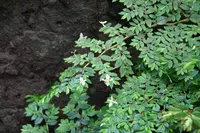
The plant carries numerous small, narrow leaves on delicate stems, giving it a fine, almost fern-like texture that contrasts strongly with the broad, fleshy leaves of more common begonia types and makes it useful for softening container plantings.

FAQs about fuchsia begonia

Lack of blooms often relates to low light, nutrient imbalance from high nitrogen fertilizer, or stress from temperature swings and pruning at the wrong time. Stabilize conditions and adjust feeding to support flower production.

Grow Healthy Plants with Botan Care

Keep your plants happy and healthy with plant identification, disease detection, and easy care guidance.

Botan plant care app — identify plants on mobile

Explore More Plants