bush allamanda Care (Allamanda schottii)

bush allamanda

About bush allamanda

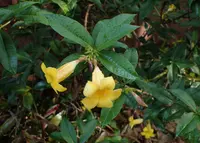
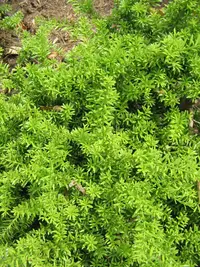
Bush allamanda (Allamanda schottii) is a compact, evergreen shrub known for its bright yellow, funnel-shaped flowers and glossy, deep green leaves. It forms a dense, bushy mound rather than long climbing vines. Native to tropical South America, it thrives in warm, frost-free climates and is often used as a hedge or accent shrub in sunny landscapes. This species blooms over a long season when given strong light and consistent warmth. It prefers well-drained soil and regular moisture but dislikes waterlogged conditions. Once established, it is moderately tough, though learning how to care for bush allamanda still helps maintain dense growth and abundant flowers.

Main Plant Requirements

Care Difficulty

Moderate Care

Light Preference

Full Sun

Water Requirements

Regular Water

Temperature Preference

Tropical / Frost Sensitive

Hardiness Zone

9–11

Soil Texture

Sandy, Loamy, Organic-rich

Soil pH

Acidic (5.5–6.5), Slightly acidic (6.5–7.0)

Soil Drainage

Moist but well-drained

Fertilization

Moderate (every 2–4 weeks)

Get Personalized Care Plan

Scan your plant to receive care tips personalized for your specific plant

Available on iOS and Android

How to Care for the bush allamanda

Allamanda schottii needs strong light to flower well and form dense growth.

  • Provide 6–8 hours of direct sun daily; in hot climates, give bush allamanda morning sun with light afternoon shade to limit leaf scorch.
  • In regions with intense summer sun, protect from harsh west-facing exposure using filtered light from trees or structures.
  • In cooler or cloudy seasons, prioritize maximum direct light; sparse flowering and elongated, weak stems usually indicate insufficient sun.

This shrub prefers evenly moist, well-drained soil and reacts quickly to extremes in watering.

  • Allow the top 3–5 cm of soil to dry before deep watering, then moisten the root zone thoroughly without flooding.
  • Use sharply draining soil; yellowing lower leaves, soft stems, or a sour smell suggest overwatering and poor drainage.
  • During hot active growth, drying happens faster, while in cooler seasons extend the interval between thorough waterings to prevent root stress.

This tropical shrub grows best in warm, stable conditions without exposure to frost.

  • Aim for 65–85°F (18–29°C) for strong growth and flowering, with slightly cooler nights tolerated if brief.
  • Avoid temperatures below 40°F (4°C); foliage damage occurs near this point and freezing conditions can kill stems or the whole plant.
  • In hot spells above 95°F (35°C), provide extra soil moisture and light afternoon shade to reduce heat stress and leaf scorch.

Allamanda schottii prefers moderately humid air but usually copes with typical indoor and outdoor household levels.

  • Target 40–60% humidity, as very dry heated rooms can cause leaf edges to brown.
  • Expect some tolerance to drier air, but persistent crisping tips or slowed growth indicate humidity stress.
  • Increase humidity by grouping plants, using a pebble tray with water below the pot base, or running a nearby humidifier.

This shrub needs sharply draining, moderately fertile soil to prevent root rot and support continuous flowering.

  • Use a light, sandy or loamy mix such as 50% peat- or coco-based potting mix with 25% coarse sand and 25% perlite or fine bark.
  • Aim for slightly acidic to neutral pH, around 6.0–7.0, which supports nutrient availability and healthy root growth in Allamanda schottii.
  • Ensure rapid drainage; water should flow through within seconds and the mix should not stay waterlogged longer than a few hours.
  • Avoid heavy clay, compacted ground, or mixes high in unamended garden soil, which reduce aeration and promote fungal problems.

This species is well suited to container growing, especially in cooler climates where winter protection is needed.

  • Choose a wide, heavy pot to counterbalance the shrub’s top growth and reduce tipping in wind or on balconies.
  • Select thick-walled terracotta if extra moisture loss is needed in wet climates, or glazed ceramic to slow drying in hot, arid areas.
  • Use a container with multiple drainage holes and elevate it on pot feet so runoff clears quickly and roots do not sit in trapped water.

Allamanda schottii responds well to moderate, consistent feeding during warm, active growth.

  • Use a balanced, slow-release fertilizer (around 10-10-10 or 14-14-14) or well-aged compost at the start of spring growth.
  • Feed container plants every 4–6 weeks in spring and summer with a diluted liquid balanced fertilizer at 1/2 strength.
  • Reduce or stop feeding in fall and winter when growth slows, especially for bush allamanda kept indoors or in cool conditions.
  • Water before and after applying fertilizer to limit root burn and help nutrients move evenly through the root zone.

Pruning Allamanda schottii maintains a compact shape and supports heavy flowering.

  • Carry out main pruning in late winter or very early spring before strong new growth starts.
  • Remove dead, diseased, crossing, or weak stems first, then shorten overly long shoots to control size.
  • Cut back flowering shoots by about 1/3 to encourage dense branching and more flower buds on new growth.
  • Use sharp, clean bypass pruners and make angled cuts just above outward-facing buds to reduce dieback.

Transplanting or repotting Allamanda schottii focuses on giving the root system room while minimizing shock.

  • Look for roots circling the pot, pushing through drainage holes, or noticeably reduced vigor as signs it needs a larger container or ground space.
  • Plan repotting or transplanting in late spring or early summer when soils are warm and the plant is actively growing.
  • Move up only 1–2 pot sizes or replant into a well-drained, slightly acidic soil, keeping the root ball at the same depth as before.
  • Handle roots gently, water thoroughly after planting, and provide light shade and consistent moisture for 1–2 weeks to limit stress.

New plants of Allamanda schottii are most often produced from semi-hardwood stem cuttings.

  • Take 10–15 cm semi-hardwood cuttings in late spring or summer from non-flowering shoots with healthy leaves.
  • Remove lower leaves, dip the cut end in rooting hormone, and insert into a moist, well-draining mix such as 50% perlite and 50% peat or coco coir.
  • Maintain bright, indirect light, high humidity, and a stable temperature around 70–80°F until roots form in several weeks.
  • Seeds are possible but slower; sow fresh seed in warm, evenly moist medium and provide consistent warmth and light for germination.

Allamanda schottii is frost-tender and needs protection in regions with cold winters.

  • In USDA zones below 10, grow in containers and move plants indoors or into a heated greenhouse before temperatures drop near 40°F.
  • Outdoors in mild climates, add a 5–8 cm mulch layer over the root zone to moderate soil temperature and moisture.
  • If light frost threatens, cover outdoor shrubs with breathable frost cloth, avoiding plastic directly on foliage.

Care Tips

Use discreet supports

Install low, sturdy stakes or a wire ring early in the season to keep branches upright and prevent breakage when heavy with flowers or after strong rain.

Monitor for latex sap

When pruning or taking cuttings, wear gloves and avoid touching eyes or mouth, as the milky sap is irritating and should be rinsed off skin immediately with water if contact occurs.

Encourage bushy shape

Pinch or lightly tip-prune soft new shoots several times in spring to promote dense, compact growth and heavier flowering through the season.

Plan for root spread

Give the shrub a dedicated planting space or a large container, as the vigorous root system can crowd nearby smaller plants and reduce their vigor over time.

Cold-season protection

In regions with cool winters, move container plants under cover or against a warm wall and reduce wind exposure, which is a key part of caring for bush allamanda in borderline climates.

Common Pests and Diseases

Spider mites

This pest often appears in hot, dry conditions and feeds on the undersides of leaves, causing fine stippling, yellowing, and webbing on bush allamanda. Symptoms include dull foliage, leaf drop, and slow growth.

Solution

Rinse foliage thoroughly with a strong but controlled stream of water, especially the undersides of leaves, then follow with repeated applications of insecticidal soap or horticultural oil every 5–7 days until no new damage appears; increase humidity and avoid water stress to make the plant less susceptible.

Aphids

These insects cluster on soft new shoots, buds, and leaf undersides, sucking sap and excreting sticky honeydew that can lead to sooty mold. Symptoms include curling new growth, distorted flowers, and sticky leaves that may turn black from fungal growth.

Solution

Prune and discard heavily infested shoot tips, wash remaining stems and leaves with water, then use insecticidal soap or a light horticultural oil, making sure to coat all growing tips; repeat at 5–7 day intervals until colonies disappear and encourage natural predators such as lady beetles outdoors.

Nematode damage

This pest problem is caused by microscopic root-feeding nematodes in sandy or light soils, leading to poor vigor, sparse foliage, and failure to flower well despite adequate care. Symptoms include stunted growth, yellowing leaves, and plants that decline in full sun even when water is sufficient.

Solution

Remove and destroy severely affected plants, avoid replanting bush allamanda in the same soil, and improve soil health with organic matter and mulching; in the landscape, rotate with non-host plants and consider using resistant or sacrificial groundcovers to reduce nematode populations over time.

Leaf spot

This disease causes small brown, tan, or purplish spots on leaves that may enlarge and merge, eventually leading to premature leaf drop. Symptoms include thinning foliage, especially in the lower canopy where moisture lingers longest.

Solution

Remove and discard fallen and heavily spotted leaves, avoid wetting foliage when watering, and improve spacing and airflow around the plant; if the problem persists, apply a copper-based or chlorothalonil fungicide labeled for ornamental shrubs during warm, wet periods following label directions.

Powdery mildew

This disease produces white, powdery patches on upper leaf surfaces and young shoots, especially where air circulation is poor. Symptoms include distorted new growth, reduced flowering, and a dull, unhealthy appearance of foliage.

Solution

Increase sun exposure and airflow by thinning dense stems and avoiding overcrowding, then treat affected plants with a sulfur or potassium bicarbonate fungicide labeled for ornamentals; begin applications at the first sign of disease and repeat as directed to protect new growth.

Interesting Facts

Compact shrub habit

This species naturally grows as a dense, rounded shrub rather than a vigorous vine, with shorter internodes that create a tight, bushy structure often used for tropical hedging.

Milky toxic latex

The stems and leaves release a white latex sap containing cardiac glycosides, which are toxic if ingested and can irritate skin, providing the plant with herbivore defense.

Long flowering season

In warm climates with adequate light, this shrub produces its yellow, funnel-shaped flowers over an extended season, often from spring through fall and sometimes nearly year-round.

Botan icon

Did you know?

Allamanda schottii has a naturally compact growth form that led to its use as a living barrier in many tropical landscapes, since closely planted shrubs can create a dense, nearly impenetrable hedge that also functions as a visual and wind screen.

FAQs about bush allamanda

Lack of blooms usually comes from insufficient light, heavy pruning at the wrong time, or nutrient imbalance with too much nitrogen. Older, unpruned wood flowers best. Avoid frequent repotting and protect the plant from cold drafts.

Grow Healthy Plants with Botan Care

Keep your plants happy and healthy with plant identification, disease detection, and easy care guidance.

Botan plant care app — identify plants on mobile

Explore More Plants