white prairie rose Care (Rosa foliolosa)

white prairie rose

About white prairie rose

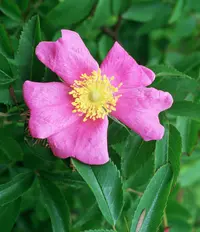
The white prairie rose, Rosa foliolosa, is a small, deciduous wild rose native to central and southern North America. It typically forms loose clumps of upright, thin canes with fine, divided foliage.

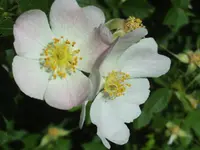
Plants carry single, white to pale pink flowers with a simple, open form that attracts bees and other pollinators, followed by small red hips. This species usually grows in prairies, open woodlands, and dry, well-drained sites, which makes it relatively resilient once established.

It adapts well to sunny garden locations with moderately moist, well-drained soil. For those who want to care for white prairie rose, its natural toughness and modest size generally make it easier than many hybrid roses.

Main Plant Requirements

Care Difficulty

Easy Care

Light Preference

Full Sun

Water Requirements

Moderate Water

Temperature Preference

Cold Hardy

Hardiness Zone

5–9

Soil Texture

Sandy, Loamy, Rocky

Soil pH

Acidic (5.5–6.5), Slightly acidic (6.5–7.0)

Soil Drainage

Well-drained

Fertilization

Minimal (feed rarely)

Get Personalized Care Plan

Scan your plant to receive care tips personalized for your specific plant

Available on iOS and Android

How to Care for the white prairie rose

Rosa foliolosa performs best in open, bright conditions typical of prairie and meadow habitats.

  • Provide 6–8 hours of direct sun daily; morning sun with light afternoon shade reduces heat stress in hot summers.
  • The plant tolerates light partial shade (3–4 hours sun) but flowering and density decline as shade increases.
  • In very hot regions, protect from intense west-facing sun to prevent leaf scorch, while in cooler climates white prairie rose can handle full sun all day.

Rosa foliolosa prefers evenly moist, well-drained soil that is never waterlogged for long periods.

  • Water when the top 3–5 cm of soil feels dry, allowing deeper roots to stay slightly moist but not saturated.
  • Reduce watering in cool seasons or during dormancy, focusing on occasional deep soakings rather than frequent light sprinklings.
  • Watch for yellowing, soft leaves and a sour smell as signs of overwatering, and crisp leaves, wilting, and slow growth as indicators of underwatering.

This species is adapted to continental climates with cold winters and warm to hot summers.

  • Active growth is strongest at 65–80°F (18–27°C), with good vegetative and flowering performance in this range.
  • Dormant plants tolerate winter lows near 0°F (−18°C) once established, but young plants benefit from protection from severe, exposed wind chills.
  • During summer heat above 90°F (32°C), supply mulch and soil moisture to protect roots and reduce stress, especially in full-sun sites.

Humidity is not a major factor for Rosa foliolosa, which is naturally adapted to relatively dry prairie air.

  • Plant tolerates 20–40% humidity without issue, so typical outdoor conditions in most regions are acceptable.
  • White prairie rose may show slight leaf-edge browning only in extremely dry, hot, and windy microclimates.
  • If needed, increase local humidity slightly by mulching the root zone to reduce soil evaporation rather than misting foliage.

Rosa foliolosa prefers well-structured, free-draining mineral soils that never stay waterlogged.

  • Use a sandy or sandy-loam soil with 20–30% compost incorporated to provide both drainage and moderate fertility.
  • Aim for slightly acidic to neutral pH, around 6.0–7.0, which supports nutrient availability and root health.
  • Improve aeration and drainage by mixing in coarse sand or fine gravel, especially in heavier native soils.
  • Avoid compacted clay, peat-heavy, or constantly wet substrates, which promote root rot and weak, disease-prone growth in Rosa foliolosa.

This species can be grown in containers, but only when the pot is set up to mimic its naturally well-drained prairie conditions.

  • Choose a deep, relatively narrow pot to support the taproot and prevent the plant from becoming unstable as stems lengthen.
  • Select a heavier material such as ceramic or thick-walled clay so the container does not tip in strong winds as the shrub matures.
  • Elevate the container on feet or bricks so drainage holes stay clear and runoff leaves the root zone quickly, especially after heavy rain.

Rosa foliolosa is a tough native shrub that benefits from modest feeding in poor soils but usually needs no heavy fertilization.

  • In spring, apply a light layer of compost or well-rotted manure over the root zone, keeping it away from stems.
  • Use a balanced slow-release fertilizer (around 10-10-10) at half strength once in spring if growth or flowering seem weak.
  • Avoid summer overfeeding; excess nitrogen promotes soft, disease-prone growth on white prairie rose in humid climates.
  • Stop feeding by late summer so new shoots harden before winter dormancy.

Rosa foliolosa responds well to light, structured pruning that maintains health and an open, flowering shape.

  • Plan main pruning for late winter or very early spring before buds leaf out.
  • Remove dead, diseased, or damaged wood first, then thin out crossing or crowded stems to improve airflow.
  • Shorten very long or leggy canes to shape the shrub and keep flowering wood closer to eye level.
  • Use clean, sharp bypass pruners and make angled cuts just above outward-facing buds.

This native rose is usually grown in the ground, so care focuses on thoughtful transplanting rather than frequent repotting.

  • Transplant in early spring or fall when soil is workable and temperatures are mild.
  • Move plants when growth is slow, flowering declines, or roots circle inside a nursery container.
  • Dig a wide hole, loosen circling roots gently, and set the crown level with the surrounding soil.
  • Backfill with native soil, water deeply to settle roots, then keep evenly moist until new growth resumes.

Rosa foliolosa is commonly propagated by seed, softwood cuttings, or suckers taken from established plants.

  • Collect ripe hips in fall, clean seeds, and cold stratify for 8–12 weeks before spring sowing.
  • Take softwood cuttings in late spring to early summer, using 10–15 cm non-flowering shoots.
  • Dip cutting bases in rooting hormone, then place in a moist, well-drained medium under bright, indirect light.
  • Lift and divide rooted suckers in early spring or fall, replanting promptly and watering well.

This species is cold hardy across much of its native range and usually needs minimal winter care in the ground.

  • Tolerates freezing temperatures once established, with mature canes typically surviving normal winter lows.
  • Apply 5–8 cm of organic mulch around the root zone in late fall, keeping it slightly away from stems.
  • In very cold or exposed sites, mound extra mulch at the base to shield graft or crown areas.
  • Move container-grown plants into a sheltered, unheated space where soil does not freeze solid.

Care Tips

Root suckers management

Inspect the surrounding soil 2–3 times per season and promptly cut out unwanted root suckers at or below soil level to prevent the plant from forming an unmanaged thicket and to keep flowering focused on the main clump.

Airflow-friendly spacing

When planting in groups, maintain at least 60–90 cm between plants and avoid crowding with dense perennials so air can move freely through the foliage, reducing the risk of black spot and other fungal issues.

Targeted pest scouting

From late spring through summer, check the undersides of leaves and young shoots weekly for rose sawfly larvae and aphids, and remove small infestations by hand or with a strong water spray before considering any treatment.

Wildlife-safe mulching

Use a 5–8 cm layer of untreated wood chips or shredded bark, pulled back 5–8 cm from the stems, to conserve soil moisture, protect shallow roots, and provide a more stable habitat margin for pollinators and beneficial insects when growing white prairie rose.

Winter wind protection

In open, windy sites, place a simple windbreak such as a low slatted fence or shrub companion planting on the prevailing-wind side to reduce winter desiccation of stems and buds without creating deep shade.

Common Pests and Diseases

Rose rosette disease

This disease is caused by a virus-like pathogen spread mainly by the tiny eriophyid mite and is a key concern for native prairie roses. Symptoms include witches’ broom growth, excessive thorniness, reddened distorted shoots, and abnormal clusters of small leaves and flowers.

Solution

Immediately remove and destroy the entire plant, including roots, once symptoms are confirmed to reduce spread to nearby roses. Avoid planting new roses directly into the same spot, monitor surrounding roses regularly, and reduce wild multiflora rose nearby, as it acts as a major reservoir.

Black spot

This disease is a common fungal problem on prairie roses grown in humid conditions, especially when foliage stays wet. Symptoms include round black leaf spots with fringed edges, followed by yellowing and premature leaf drop from the lower canopy upward.

Solution

Remove and dispose of infected leaves from the plant and ground, then improve air circulation and water at soil level to keep foliage dry. In regions with persistent humidity, apply a labeled rose fungicide preventively in early spring and repeat as directed when conditions favor infection.

Rust

This disease is caused by several rust fungi that favor native Rosa species in areas with cool, moist springs. Symptoms include orange to rust-colored pustules on the undersides of leaves and stems, often leading to leaf yellowing and early defoliation.

Solution

Prune and destroy affected leaves and shoots, and thin stems to promote faster drying after rain or irrigation. If rust recurs yearly, begin a preventive fungicide program in early spring on emerging foliage, using products labeled for rust on roses and rotating active ingredients to reduce resistance risk.

Rose sawfly larvae

These insects are the larvae of small wasp-like adults that are particularly common on native and wild roses in prairie and woodland edges. This pest skeletonizes leaves, leaving translucent patches or only the leaf veins when populations are high.

Solution

Inspect foliage regularly in spring and early summer, then handpick or hose off larvae from leaves when numbers are low. For heavier infestations, use a targeted contact insecticide such as insecticidal soap or a spinosad product, applied thoroughly to leaf undersides according to label directions.

Eriophyid mites

These pests are microscopic mites that feed within buds and on young shoots, and they are the main vector for rose rosette disease in wild and cultivated populations. Symptoms include distorted new growth, reddened shoots, and in some cases a felt-like or roughened texture on stems or leaves.

Solution

Prune and discard distorted shoot tips and any suspicious growth to reduce mite numbers before severe symptoms develop. Maintain good plant spacing and avoid overhead watering that can move mites between plants; in landscapes with recurrent issues, consider removing heavily affected wild roses near cultivated plantings as part of broader Rosa foliolosa plant care.

Interesting Facts

Southern Great Plains native

This species is naturally distributed from Texas and Oklahoma into parts of Arkansas and Louisiana, mostly in sandy or rocky prairies and open woodlands rather than moist forest edges where many other wild roses occur.

Distinctive leaf structure

The name foliolosa refers to its many small leaflets, typically 7–9 per leaf, which give the plant a finer, more delicate foliage texture than many other North American wild roses.

Adapted to sandy soils

Rosa foliolosa often anchors dry, sandy or gravelly soils with a relatively deep, fibrous root system, allowing it to persist in habitats that experience periodic drought and nutrient-poor conditions.

Botan icon

Did you know?

Rosa foliolosa is one of the few North American wild roses that can form naturally occurring hybrids with other native roses in its range, and these hybrids have been used by some breeders to introduce drought tolerance and disease resistance into garden rose lineages.

FAQs about white prairie rose

This species spreads slowly by underground stems and self-seeding, but it is not usually aggressive. In open, sunny sites it can form small colonies over time, which is useful for naturalistic or prairie-style planting.

Grow Healthy Plants with Botan Care

Keep your plants happy and healthy with plant identification, disease detection, and easy care guidance.

Botan plant care app — identify plants on mobile

Explore More Plants