Astragalus crenatus Care

About Astragalus crenatus

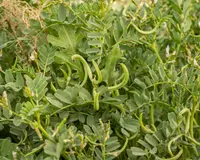
Astragalus crenatus is a perennial herb in the legume family, typically forming low clumps or mats with fine, pinnate leaves and small pea-like flowers. It often occurs in dry, open habitats, such as rocky slopes or semi-arid grasslands, depending on the region.

This species is usually adapted to well-drained, often poor soils and can tolerate periods of drought once established. It suits growers who prefer low-maintenance plants but may be challenging where soils stay wet for long. Understanding how to care for Astragalus crenatus starts with providing sun, drainage, and avoiding heavy, waterlogged conditions.

Main Plant Requirements

Care Difficulty

Moderate Care

Light Preference

Full Sun

Water Requirements

Low Water

Temperature Preference

Cool Climate

Hardiness Zone

Unknown

Soil Texture

Sandy, Loamy, Rocky

Soil pH

Slightly acidic (6.5–7.0), Slightly alkaline (7.0–7.5)

Soil Drainage

Well-drained

Fertilization

Minimal (feed rarely)

Get Personalized Care Plan

Scan your plant to receive care tips personalized for your specific plant

Available on iOS and Android

How to Care for the Astragalus crenatus

This species prefers open, bright conditions typical of temperate grasslands or steppes.

  • Provide 6–8 hours of direct sun daily; light morning sun plus full midday exposure supports compact, sturdy growth.
  • Tolerates light afternoon shade, especially in hotter regions, but prolonged shade leads to weak, elongated stems and poor flowering in Astragalus crenatus.
  • In summer, protect from intense reflected heat from walls or paving; in early spring and fall, avoid heavy shade from taller plants to maintain consistent light.

This plant is adapted to relatively dry, well-drained habitats and is sensitive to persistent moisture.

  • Allow the top 3–5 cm of soil to dry before watering; in the ground this often means waiting until the soil feels dry and loose, not cool and sticky.
  • During active growth, water deeply but infrequently so moisture reaches the full root zone; reduce watering sharply in late fall and winter to prevent root rot.
  • Watch for yellowing, soft stems as a sign of overwatering and crisp, folding leaflets as an underwatering cue; gritty, fast-draining soil is important for root health.

This species prefers temperate conditions with cool to warm summers and cold, dry winters.

  • Optimal growing temperatures are around 60–77°F (16–25°C), supporting steady shoot and root development without excessive stress.
  • Established plants generally tolerate down to about 10–15°F (-12 to -9°C) if soil drains well, but young plants should be protected from hard, prolonged freezes.
  • In hotter climates, growth slows above 90°F (32°C); provide soil mulch and light afternoon shade to keep roots cooler and reduce heat stress during midsummer.

This species prefers relatively dry air and does not need elevated humidity.

  • Aim for 30–50% humidity, similar to most heated indoor spaces or dry outdoor climates.
  • It tolerates low humidity well, but prolonged levels above 60% can encourage fungal issues on foliage and stems.
  • Humidity stress appears as dark, mushy stem bases or greyish mold rather than crisp leaf tips; improve air movement and avoid crowding plants.

Astragalus crenatus grows best in dry, mineral, very free-draining soil.

  • Use a gritty mix such as 50% coarse sand, 30% small gravel or pumice, and 20% low-organic loam to keep roots aerated.
  • Ensure extremely sharp drainage; raised beds, rock garden pockets, or mounded planting areas help excess water run off quickly.
  • Keep pH slightly alkaline to neutral, around 7.0–8.0, by avoiding acidic peat and using a small amount of crushed limestone if soil is very acidic.
  • Avoid heavy clay, waterlogged spots, and rich, high-compost mixes that hold moisture and promote root rot.

This species can be grown in containers if the pot is set up for very fast drainage.

  • Choose a deep, narrow pot that allows a strong taproot to extend downward without circling tightly.
  • Select unglazed terracotta to let the root zone dry quickly between waterings, reducing the risk of rot.
  • Place a layer of coarse gravel above the drainage holes to prevent fine mix from clogging and slowing water outflow.

This species is adapted to low-nutrient soils, so Astragalus crenatus needs only minimal fertilization in cultivation.

  • Use a light dressing of well-rotted compost or a low-dose, balanced NPK fertilizer in early spring.
  • Apply at most once per growing season, focusing on younger or container-grown plants.
  • Dilute liquid fertilizer to 25–50% strength to avoid root burn and excessive leafy growth.
  • Avoid fertilizing in late fall and winter to prevent soft, frost-prone growth.

Pruning is mainly corrective for this plant, aimed at maintaining health and an open structure.

  • Carry out light pruning in late winter or very early spring before active growth starts.
  • Remove dead, diseased, or damaged stems with clean, sharp hand pruners.
  • Thin crowded shoots to improve air movement and light penetration into the canopy.
  • Keep cuts small and conservative to preserve the natural habit of Astragalus crenatus.

Astragalus crenatus is more often grown in the ground, but young or nursery plants may need occasional transplanting.

  • Plan transplanting for early spring or early fall when temperatures are mild.
  • Look for roots circling the pot, water running straight through, or slowed growth as cues to move the plant.
  • Transplant every 2–3 years at most, using a deep, sharply drained, gritty soil mix.
  • Handle the brittle taproot gently, disturbing it as little as possible and watering lightly after planting to settle soil.

Propagation of Astragalus crenatus is mainly done from seed and requires attention to dormancy and drainage.

  • Sow fresh seed in late winter to early spring in a free-draining, sandy mix.
  • Scarify hard seed coats lightly with sandpaper, then soak for several hours to improve germination.
  • Keep the seed tray bright but not hot, with even moisture and good airflow to reduce damping-off.
  • Once seedlings form several true leaves, pot them on carefully, preserving the developing taproot.

This species is generally cold hardy in suitable climates and needs only modest winter care outdoors.

  • Tolerates typical frosts in many temperate areas when planted in sharply drained soil.
  • Apply a light, dry mulch around the root zone in late fall, avoiding direct contact with the crown.
  • Keep container plants on the dry side and move them to a sheltered, unheated spot to prevent waterlogging and freeze–thaw damage.

Care Tips

Support floppy stems

Install low, discreet wire hoops or pea sticks early in the season so the brittle stems can lean on them rather than snap in strong wind or heavy rain.

Encourage deep rooting

In the first growing season, water less often but more deeply and gently loosen the top 2–3 cm of soil around the plant in spring to reduce surface crusting and promote a stronger taproot.

Improve winter survival

In colder regions, apply a light, very free-draining gravel or coarse sand mulch over the root zone in late fall to protect the crown from alternating freeze–thaw cycles without trapping excess moisture.

Prevent crown rot

Plant on a slight mound or in a low, raised berm so that the crown sits 2–3 cm above the surrounding soil, which helps runoff and lowers the risk of rotting during prolonged wet periods.

Monitor seed set

Allow a portion of pods to mature fully and dry on the plant, then collect and store seed in a cool, dry place to maintain a local seed supply for future sowings when growing Astragalus crenatus.

Common Pests and Diseases

Powdery mildew

This disease causes white, powdery fungal growth on leaves and young stems, especially in humid, crowded plantings. Symptoms include reduced vigor and premature yellowing or drying of foliage.

Solution

Improve air circulation around plants, avoid overhead watering, and remove heavily infected leaves to reduce spore load. In persistent cases, apply a sulfur or potassium bicarbonate fungicide labeled for ornamental legumes, following label directions carefully.

Downy mildew

This disease produces yellow or pale patches on upper leaf surfaces with a gray to purplish downy growth underneath, often during cool, moist conditions. Symptoms include leaf distortion and gradual decline in plant vigor.

Solution

Space plants to dry quickly after rain, water at soil level in the morning, and remove and dispose of infected foliage. Where disease pressure is high, use a copper-based fungicide or a phosphonate product labeled for downy mildew on ornamentals, rotating products to reduce resistance risk as part of Astragalus crenatus care instructions.

Rust

This disease appears as small yellow spots on the upper leaf surface and orange to brown pustules on the underside. Symptoms include early leaf drop and a general weakening of the plant when infections are repeated.

Solution

Prune and discard affected leaves as soon as pustules are seen, and keep foliage dry by irrigating at the base. In severe or recurring cases, apply a labeled rust fungicide based on myclobutanil or chlorothalonil, alternating modes of action and avoiding treatment during peak pollinator activity.

Aphids

These insects cluster on tender stems, leaf undersides, and flower stalks, sucking sap and excreting sticky honeydew. This pest can cause curled, distorted growth and may attract sooty mold on the honeydew.

Solution

Dislodge colonies by spraying plants with a strong stream of water, and encourage natural predators such as lady beetles by limiting broad-spectrum insecticides. For persistent infestations, use insecticidal soap or a light horticultural oil, coating leaf undersides thoroughly and repeating as needed according to label directions.

Leaf-mining larvae

This pest creates pale, winding tunnels within the leaf tissue that later turn brown and dry. Symptoms include reduced photosynthesis and premature leaf drop if many mines are present.

Solution

Remove and discard mined leaves promptly to interrupt the life cycle and reduce future generations. If damage continues, target young larvae with a neem-based product or a systemic insecticide labeled for leaf miners on ornamental plants, applying early in the infestation and avoiding drift to nearby flowering plants.

Interesting Facts

Native Iranian steppe legume

This species is native to parts of Iran, where it grows in open, often dry steppe and montane habitats, adapted to continental climates with cold winters and hot summers.

Distinctive crenate leaflets

The specific epithet crenatus refers to the shallowly scalloped, or crenate, margins of the leaflets, a feature used by botanists to distinguish it from related Astragalus species.

Nitrogen-fixing root nodules

Like many legumes, it forms symbiotic nodules on its roots with nitrogen-fixing bacteria, allowing it to enrich poor soils by converting atmospheric nitrogen into plant-available forms.

FAQs about Astragalus crenatus

Poor flowering usually comes from insufficient light, overly rich nitrogen fertilizer, or plants that are still too young. Ensure full sun, avoid heavy feeding, and allow several seasons for the root system to develop before expecting abundant blooms.

Grow Healthy Plants with Botan Care

Keep your plants happy and healthy with plant identification, disease detection, and easy care guidance.

Botan plant care app — identify plants on mobile

Explore More Plants