Seasonal Rest Handling
After the leaves yellow and wither, gradually reduce watering, remove spent foliage at the base, and keep the pot just barely moist through dormancy so the underground tubers stay firm but do not rot.

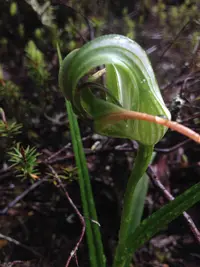
Tutukiwi, Pterostylis patens, is a terrestrial orchid from New Zealand’s forests and scrublands. It grows from underground tubers and appears mainly in the cooler months. Plants form small rosettes of leaves at ground level and send up slender flowering stems with green, hooded blooms shaped like tiny helmets. Each flower has a delicate, slightly translucent look that suits shaded, moist sites. This species is considered challenging outside its natural climate because it dislikes heat, waterlogging, and long dry periods. It suits patient growers who can mimic cool, damp woodland conditions and want to learn how to care for Tutukiwi over several seasons.

Care Difficulty
Hard Care

Light Preference
Partial Shade

Water Requirements
Keep Soil Moist

Temperature Preference
Cool Climate

Hardiness Zone
9–11

Soil Texture
Loamy, Peaty, Organic-rich

Soil pH
Acidic (5.5–6.5)

Soil Drainage
Moist but well-drained

Fertilization
Minimal (feed rarely)
Scan your plant to receive care tips personalized for your specific plant
Available on iOS and Android
This terrestrial orchid prefers soft, woodland-style light similar to its native forest edges.
This species needs evenly moist but not waterlogged soil during its active growing season.
This cool- to mild-climate orchid thrives in conditions similar to coastal or upland woodland environments.
This terrestrial orchid prefers moderately moist air rather than very dry or very humid conditions.
Pterostylis patens grows best in a loose, moist, sharply draining mix that mimics leaf-litter over gritty soil.
This species is well suited to container growing when the pot is chosen to protect its small tubers and drainage needs.
This terrestrial orchid benefits from only light, targeted feeding during active growth and none in dormancy.
Pterostylis patens needs minimal pruning, focused mainly on hygiene rather than shaping.
This tuberous orchid dislikes disturbance, so repotting or transplanting should be infrequent and carefully timed.
Propagation of this species is usually done by division of tubers rather than by seed in home conditions.
This cool-growing terrestrial orchid generally tolerates mild winter conditions but needs protection from hard freezes in cultivation.

Plant Health Check
Not sure what's wrong with your plant? Check your plant's health inside the app.
This species forms a flat rosette of small, rounded leaves in winter, then the rosette withers as the single flowering spike emerges, separating the vegetative and flowering phases in time.
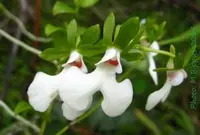
Its translucent green and white flower forms a hood (galea), and hinged lateral lobes can move when touched by an insect, briefly trapping the visitor and guiding it past the pollen structures for efficient pollination.
It is native to damp, shaded forest and scrub in New Zealand, where it often grows among leaf litter and moss, relying on these cool, moist microhabitats rather than open, sunny sites.

This species survives summer as an underground tuber, remaining completely dormant above ground for several months until cooler, wetter conditions trigger new growth.
Lack of flowering usually comes from insufficient winter dormancy, overly warm conditions, or low light during the growing season. Ensure a cool, dry rest period, bright but indirect light, and avoid heavy feeding, which can favor leaves over flowers.
Keep your plants happy and healthy with plant identification, disease detection, and easy care guidance.