Spanish Bluebell Care (Hyacinthoides hispanica)

Also known as: Hispanic hyacinthoides
Spanish Bluebell

About Spanish Bluebell

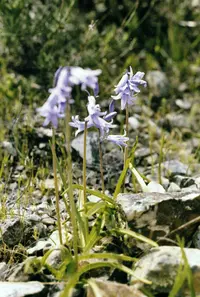
Spanish bluebell (Hyacinthoides hispanica) is a spring-flowering bulb from the asparagus family, valued for its loose spikes of bell-shaped, usually pale blue flowers. It forms clumps of glossy, strap-like leaves and naturalizes easily, often spreading into drifts in garden beds, lawns, and light woodland edges.

In the wild, it is native to the Iberian Peninsula but is now widely grown in temperate gardens, including many parts of the US. The plant is generally easy to grow, tolerating a range of soils and partial shade, which makes it simple to care for Spanish Bluebell in most residential gardens.

It prefers moist but well-drained soil and benefits from light shade, especially in warmer regions.

Main Plant Requirements

Care Difficulty

Easy Care

Light Preference

Partial Shade

Water Requirements

Moderate Water

Temperature Preference

Cold Hardy

Hardiness Zone

3–8

Soil Texture

Sandy, Loamy, Organic-rich

Soil pH

Acidic (5.5–6.5), Slightly acidic (6.5–7.0)

Soil Drainage

Moist but well-drained

Fertilization

Minimal (feed rarely)

Get Personalized Care Plan

Scan your plant to receive care tips personalized for your specific plant

Available on iOS and Android

How to Care for the Spanish Bluebell

This bulb prefers cool, bright conditions with gentle sun and light shade across the day.

  • Provide 3–5 hours of direct morning sun with dappled or open shade in the afternoon; east-facing or lightly shaded beds suit Spanish Bluebell well.
  • Allow partial to full shade under deciduous trees in summer, as foliage is dying back and needs less light once flowering is finished.
  • Avoid harsh midday sun, which can scorch leaves and dry soil quickly; too little light, however, leads to weak, floppy stems and fewer blooms.

This woodland bulb prefers evenly moist, not soggy, soil during active growth.

  • In spring, water when the top 3–5 cm of soil feels dry, aiming for consistently moist soil around actively growing foliage and flower stems.
  • Ensure free-draining soil; add organic matter if needed so water passes through within a few seconds, reducing the risk of bulb rot in Hyacinthoides hispanica.
  • After leaves yellow and die back, gradually reduce watering and allow soil to dry more between rains, as dormant bulbs tolerate drier conditions well.

This hardy bulb tolerates cool climates and seasonal temperature shifts typical of temperate gardens.

  • Active growth and flowering occur best in cool spring conditions around 50–65°F (10–18°C), following winter chilling that helps trigger strong blooming.
  • Dormant bulbs survive winter soil temperatures down to about 5–10°F (-15 to -12°C) if planted 7–10 cm deep and mulched in very cold regions.
  • During hot spells above 85°F (29°C), foliage may decline faster; provide mulch to moderate soil temperature and protect bulbs from overheating and drying out.

Humidity is not a major factor for Hyacinthoides hispanica in typical outdoor conditions.

Hyacinthoides hispanica grows best in loose, moist but free-draining soil.

  • Use a loamy mix with 40–60% garden soil, 20–30% compost, and 10–20% sharp sand or fine grit for structure.
  • Aim for slightly acidic to neutral pH around 6.0–7.0 to support nutrient availability and healthy bulb growth.
  • Improve aeration and drainage by avoiding compaction and working in coarse sand or grit through the top 15–20 cm.
  • Avoid heavy, waterlogged clay or low spots where water collects, which quickly leads to bulb rot.

This species handles container growing well when drainage and depth are managed carefully.

  • Choose a pot at least 20–25 cm deep so bulbs can sit twice their height below the surface with room for offsets.
  • Select a heavier material like terracotta or ceramic outdoors to keep tall flowering stems stable in wind.
  • Elevate the container slightly on feet or bricks so drainage holes stay clear and water cannot pool under the base.

This bulb needs only light feeding, as Hyacinthoides hispanica stores most of its energy in the bulbs.

  • Apply a balanced, slow-release fertilizer (around 10-10-10) once in early spring as shoots emerge.
  • Use a light sprinkling of compost or well-rotted leaf mold over the planting area each spring.
  • Avoid feeding after foliage yellows and the plant enters dormancy, and never exceed label-strength rates.

Pruning needs for Hyacinthoides hispanica are minimal and focus on spent flowers and fading foliage.

  • Deadhead flowering stems after blooms fade to reduce unwanted self-seeding.
  • Allow leaves to yellow and dry naturally before removing, so bulbs can recharge for next year’s growth.
  • Use clean hand pruners or scissors to cut stems at the base, avoiding damage to emerging foliage or nearby bulbs.

This bulb is usually grown in the ground, so focus on lifting and transplanting clumps rather than frequent repotting.

  • Plan to lift and divide crowded clumps every 3–5 years, when flowering declines or bulbs push to the soil surface.
  • Transplant in late summer to early fall, after foliage has fully died back and bulbs are dormant.
  • Gently lift bulbs with a fork, keeping roots and small bulblets attached, and replant at the same depth in fresh soil.
  • Water lightly after transplanting, then keep soil just moist until consistent autumn rains resume to limit transplant shock.

Propagation is straightforward and usually done by bulb division, with seeds used mainly for naturalizing over time.

  • Divide and replant bulbs in late summer to early fall, when the plant is fully dormant.
  • Lift clumps carefully, separate main bulbs and small bulblets, and replant at 2–3 times bulb height.
  • For seed, allow capsules to dry on the plant, then sow outdoors in fall in a well-drained, lightly shaded bed.
  • Maintain even, light moisture for seed beds; seedlings may need 2–3 years before flowering.

This species is cold hardy in most temperate climates and typically needs little specific winter attention.

  • Dormant bulbs tolerate normal winter frosts when planted at the correct depth in well-drained soil.
  • In colder or exposed sites, add a 3–5 cm mulch layer of leaves or bark over the bulb area after the ground cools.
  • Container-grown plants benefit from moving pots to a sheltered, frost-free or minimally heated area to prevent root freezing.

Care Tips

Mark Dormant Clumps

Mark bulb areas with discreet labels or stones after foliage dies back so you avoid disturbing them during summer digging or replanting nearby perennials.

Divide For Vigor

Lift and divide congested clumps every 4–6 years in late summer or early fall to maintain strong flowering and prevent excessive self-seeding into surrounding beds.

Control Self-Seeding

Deadhead spent flower spikes before seeds mature if you want to limit spread, especially near wild areas or natural woodland where the plants can naturalize aggressively.

Use Leaf Mulch

Apply a thin layer of shredded leaf mulch in fall over the planting area to mimic woodland conditions, protect bulbs from freeze–thaw cycles, and improve soil structure over time.

Pair With Later Perennials

Plant low, later-emerging perennials such as hardy geraniums or hostas nearby so their foliage hides the fading leaves, which should be left to photosynthesize fully when growing Spanish Bluebell.

Common Pests and Diseases

Slugs and snails

These pests chew irregular holes in leaves and flower stalks, often leaving slime trails on or around the plants. Damage is most common in cool, damp spring weather when new shoots emerge.

Solution

Hand-pick slugs and snails in the evening, use slug traps or barriers (copper tape, sharp grit), and remove hiding places such as dense debris near the bulbs. Water in the morning rather than evening and, if needed, apply iron phosphate slug bait according to label directions around, not on, the plants.

Narcissus bulb fly

This pest lays eggs at the base of bulbs; larvae tunnel into the bulb and cause yellowing, collapse, or failure to emerge the following season. Symptoms include soft, decaying bulbs with a single large maggot inside.

Solution

Lift and inspect suspect bulbs, discard any soft or tunneled bulbs, and replant only firm, healthy ones. To reduce attacks, plant bulbs slightly deeper, cover newly planted bulbs with fine mesh during the adult fly season, and avoid leaving old, rotting bulbs in the soil that can harbor larvae.

Basal bulb rot

This disease causes the base of bulbs to become soft, brown, and sunken, often leading to poor growth, stunted leaves, or complete failure to sprout. Symptoms include a foul smell and visible decay at the basal plate where roots emerge.

Solution

Dig up affected bulbs and discard them, then improve drainage and avoid overwatering in heavy soils, which is essential for Hyacinthoides hispanica plant care. Always plant firm bulbs in well-drained soil, rotate planting spots if problems recur, and disinfect tools used on diseased bulbs with a household disinfectant.

Interesting Facts

Spanish bluebell hybridization

Spanish bluebell readily hybridizes with the native English bluebell (Hyacinthoides non-scripta), forming fertile hybrids that can outcompete the native species in the UK and parts of western Europe.

Shade-tolerant woodland bulb

This species is naturally adapted to light woodland and scrub, where it completes most of its growth and flowering before the tree canopy fully closes, then goes dormant through summer.

Flexible pollination strategy

The flowers are mainly insect-pollinated by bees and hoverflies, but the plant also sets seed reliably in gardens without many pollinators, indicating efficient self-compatibility in many populations.

Botan icon

Did you know?

Spanish bluebell was widely planted as a hardy ornamental in gardens from at least the 19th century and has since naturalized so successfully in parts of western Europe that it is now listed as an invasive non-native species in several regions, with active control recommended near native bluebell woodlands.

FAQs about Spanish Bluebell

Lack of flowers often comes from planting too deep, overcrowded bulbs, or too much summer moisture. Bulbs need a cool rest period and full foliage dieback after flowering. Avoid cutting leaves early and divide congested clumps every few years.

Grow Healthy Plants with Botan Care

Keep your plants happy and healthy with plant identification, disease detection, and easy care guidance.

Botan plant care app — identify plants on mobile

Explore More Plants