Tolmie star-tulip Care (Calochortus tolmiei)

Also known as: Tolmie's pussy ears, pussy ears, Hairy Star Tulip, Tolmie's mariposa lily
Tolmie star-tulip

About Tolmie star-tulip

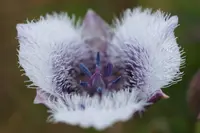
Tolmie star-tulip (Calochortus tolmiei) is a small bulb-forming perennial from the lily family. It produces cup-shaped flowers with soft, hairy inner petals and a delicate, star-like look. Plants usually stay low to the ground, with narrow leaves that appear in cool seasons and die back after flowering. In the wild, it grows in open woodlands, rocky slopes, and grassy sites of the Pacific Northwest. This species can be challenging for beginners because it needs a dry summer rest, good drainage, and protection from excess water. Gardeners who learn how to care for Tolmie star-tulip often grow it in pots or rock gardens with well-drained, gritty soil and bright, cool light.

Main Plant Requirements

Care Difficulty

Hard Care

Light Preference

Partial Sun

Water Requirements

Low Water

Temperature Preference

Cool Climate

Hardiness Zone

6–9

Soil Texture

Sandy, Loamy, Rocky

Soil pH

Acidic (5.5–6.5), Slightly acidic (6.5–7.0)

Soil Drainage

Well-drained

Fertilization

Minimal (feed rarely)

Get Personalized Care Plan

Scan your plant to receive care tips personalized for your specific plant

Available on iOS and Android

How to Care for the Tolmie star-tulip

This western North American bulb thrives in bright, cool conditions that mimic open meadows and light woodland edges.

  • Provide 6–8 hours of sun, ideally with direct morning sun and light afternoon shade, especially in hotter, drier regions.
  • Allow light, shifting shade from grasses or shrubs; Tolmie star-tulip tolerates partial shade but flowers best with at least 4 hours of direct light.
  • Avoid intense, all-day summer sun in hot climates, which can scorch foliage, and prevent deep shade that leads to weak, floppy growth and poor blooming.

This species prefers a moist but free-draining winter–spring soil followed by a relatively dry summer rest.

  • During active growth, water only when the top 3–5 cm of soil feel dry, then soak thoroughly so excess drains away from the bulbs.
  • Use sharply drained, gritty or sandy soil; persistent wetness, a sour smell, or soft bulbs indicate overwatering and risk of rot in Calochortus tolmiei.
  • Reduce or stop watering once foliage yellows in late spring or early summer, keeping the soil barely dry during dormancy to mimic natural conditions.

This bulb is adapted to cool, wet winters and mild, drying summers in its native range.

  • Active growth is strongest around 45–65°F (7–18°C), with bulbs tolerating winter lows near 20°F (-7°C) if soil drains well and stays relatively airy.
  • Short frosts below 20°F (-7°C) may be survived in very well-drained sites, but repeated deep freezes can damage bulbs, especially in heavy or waterlogged soils.
  • In summer, plants tolerate up to about 80–90°F (27–32°C) if roots are shaded and dry; prolonged hotter periods can stress bulbs and shorten dormancy reserves.

Humidity is not a key factor for Calochortus tolmiei, which is adapted to relatively dry air.

Calochortus tolmiei needs sharply drained, gritty soil that stays airy around the bulbs.

  • Use a sandy or gravelly loam with at least 40–60% mineral grit such as coarse sand, pumice, or small gravel to prevent waterlogging.
  • Aim for slightly acidic to neutral pH around 6.0–7.0, avoiding strongly acidic or alkaline mixes that can limit nutrient uptake.
  • Incorporate a small amount of well-decomposed compost or leaf mold for nutrients but keep organic matter low to moderate so bulbs do not rot.
  • Avoid heavy clay, peat-heavy, or compacted mixes; if existing soil is dense, amend heavily with grit and perlite to improve drainage and aeration.

This species can grow in containers if the pot mimics its dry, well-drained native conditions.

  • Choose a deep, narrow pot to give the bulb and roots vertical space while limiting excess surrounding moisture-holding volume.
  • Use an unglazed terracotta container so moisture can evaporate through the pot walls, reducing the risk of bulb rot.
  • Elevate the pot on feet or mesh so drainage holes stay clear and excess water leaves quickly after rain or watering.

This native bulb needs minimal feeding, as Tolmie star-tulip is adapted to low-nutrient soils.

  • In the first spring after planting, apply a light top-dressing of fine compost around the bulbs, not directly on crowns.
  • Use a low-dose balanced fertilizer (around 5-5-5) at half strength once in early spring if growth appears weak.
  • Avoid feeding after flowering; do not fertilize during summer dormancy or winter, as bulbs rest.
  • Never use heavy, high-nitrogen products, which encourage soft, rot-prone growth in Calochortus tolmiei.

Pruning needs for Calochortus tolmiei are minimal and focus on cleanliness rather than shaping.

  • In late spring or early summer, cut spent flower stems at the base once seed has matured or been collected.
  • Allow foliage to yellow and dry naturally before removing; it is storing energy in the bulb.
  • Remove only dead, diseased, or badly damaged leaves using clean, sharp scissors or hand pruners.
  • Avoid cutting green leaves or trimming to shape, as this reduces bulb vigor and flowering the next season.

This species is usually grown in the ground, so focus on careful bulb lifting and replanting rather than frequent repotting.

  • Transplant dormant bulbs in late summer to early fall when foliage has fully died back and soil is relatively dry.
  • Move bulbs only if clumps are crowded, flowering declines, or site conditions have become too wet or shaded.
  • Lift bulbs gently with a fork, keeping as much surrounding soil as possible to limit root disturbance.
  • Replant at the same depth in sharply drained soil, water lightly once, then keep fairly dry until active growth resumes.

Multiplying Calochortus tolmiei is mainly done from seed, with patience required for flowering-sized bulbs.

  • Sow fresh seed in fall in deep pots or nursery beds with very well-drained, gritty mix.
  • Expose pots to natural winter cold; this stratification helps break seed dormancy and improves germination.
  • Keep the medium just slightly moist during germination and early growth, avoiding waterlogging that rots seedlings.
  • Grow seedlings on in containers or protected beds for several years before moving to a permanent site.

Calochortus tolmiei is fairly cold hardy in suitable climates and usually needs only simple winter care.

  • In the ground, ensure excellent drainage; winter-wet soil is more damaging than moderate frost.
  • In colder or very wet regions, apply a light, dry mulch over the bulb zone after the soil cools.
  • Container-grown bulbs benefit from moving to a cold, sheltered, frost-free but bright location for winter.

Care Tips

Dry-summer dormancy

Allow the site to dry almost completely after flowering and foliage dieback, then keep the bulbs dry through summer to mimic their native dormancy cycle and prevent rot.

Gritty bulb collar

When planting, surround each bulb with a narrow collar of sharp grit or coarse sand to keep the bulb plate drier and reduce losses from fungal rot in wet winters.

Minimal disturbance

Avoid lifting or dividing bulbs unless clumps visibly decline, as this species resents frequent disturbance; if division is needed, do it only during full dormancy and replant immediately.

Seed pod management

If you want more plants, leave some seed pods to mature fully and dry on the stem for natural self-sowing; if you prefer stronger existing bulbs, remove most pods right after petals drop so energy returns to the bulb.

Rodent protection

In areas with voles or rodents, plant bulbs inside buried wire baskets or beneath hardware cloth to protect them from being eaten while still allowing roots to pass through when growing Tolmie star-tulip.

Common Pests and Diseases

Bulb mites

This pest attacks the underground bulbs, feeding on the basal plate and storage tissues and leading to weak shoots or failure to emerge. Symptoms include poor sprouting, distorted growth, and bulbs that feel spongy or show brown, crumbly tissue at the base.

Solution

Discard badly infested bulbs, and for salvageable stock, gently clean and dry bulbs, removing loose scales and damaged tissue. Before replanting, dip bulbs in a labeled miticide or hot-water treatment (about 110–115°F for 30–60 minutes), then dry thoroughly and replant in well-drained, clean soil or a fresh potting mix to reduce reinfestation.

Narcissus bulb fly

This pest lays eggs near or on bulbs, and the larvae tunnel inside, hollowing out the bulb and preventing flowering. Symptoms include sudden collapse of foliage, failure to flower, and bulbs that are soft, tunneled, and filled with a single large maggot or dark pupa.

Solution

Remove and destroy any infested bulbs promptly to break the life cycle. Protect healthy bulbs with fine mesh or row cover during the main egg-laying period, and plant bulbs deeper and in well-drained, slightly gritty soil to make access more difficult for flies.

Botrytis gray mold

This disease thrives in cool, damp conditions and affects leaves, flowers, and sometimes bulbs, causing water-soaked spots that turn brown and develop gray, fuzzy mold. Symptoms include blighted buds, spotting on petals, and rapid collapse of succulent tissue in wet weather.

Solution

Remove and discard all affected plant parts and any heavily contaminated mulch or debris around the plant. Improve air circulation, avoid overhead watering, space plants so foliage dries quickly, and if conditions remain wet, apply a labeled fungicide during active growth following the product instructions as part of Calochortus tolmiei care.

Leaf spot fungus

This disease causes small, irregular brown or purplish lesions on the narrow leaves, which can coalesce and lead to premature yellowing and leaf drop. Symptoms include speckled foliage that deteriorates faster than normal seasonal dieback.

Solution

Cut off and dispose of affected leaves at the end of the season or when spots are extensive, and keep the planting area free of old plant debris. Water at soil level rather than on foliage, and in recurrent cases, use a preventive fungicide spray early in the growth period, especially during extended wet spells.

Interesting Facts

Hairy petal surface

The inner petals of this species are densely covered with long, silky hairs, creating a distinctive fuzzy look that helps trap and hold pollen inside the flower.

Variable flower markings

Populations show striking variation in petal color and pattern, ranging from pale to darker tones with different eye spots and bands, which may reflect local adaptation to regional pollinators.

Serpentine soil specialist

Many natural populations occur on nutrient-poor serpentine or rocky soils in the Pacific Northwest, showing this species’ ability to tolerate high heavy metal levels and low fertility that limit many other plants.

Botan icon

Did you know?

This species often forms part of spring-blooming bulb communities that emerge from a dry, dormant summer state, allowing it to complete flowering and seed set before summer drought in its native Pacific Northwest habitats.

FAQs about Tolmie star-tulip

This species performs best outdoors in rock gardens, meadows, or naturalistic beds where it experiences cool, moist winters and dry summers. Tolmie star-tulip indoor care is challenging because the bulbs need strong light, temperature swings, and very free-draining soil.

Grow Healthy Plants with Botan Care

Keep your plants happy and healthy with plant identification, disease detection, and easy care guidance.

Botan plant care app — identify plants on mobile

Explore More Plants