Valeriana coronata Care

About Valeriana coronata

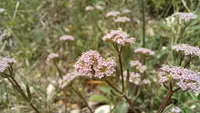
Valeriana coronata is a herbaceous perennial valued for its finely divided foliage and delicate, often whitish to pale pink flower clusters. It typically forms low to medium clumps, giving a soft, airy look in mixed borders or naturalistic plantings.

This species is native to parts of Europe, where it grows in moist meadows, stream edges, and light woodland openings. It usually prefers consistently moist but well-drained soil and thrives in sun to light shade.

Gardeners generally find it moderately easy to grow once established, provided soil moisture is kept steady and the site does not dry out for long periods. Understanding how to care for Valeriana coronata mainly involves matching its moisture and light needs to its natural habitat.

Main Plant Requirements

Care Difficulty

Moderate Care

Light Preference

Partial Sun

Water Requirements

Regular Water

Temperature Preference

Cool Climate

Hardiness Zone

5–8

Soil Texture

Loamy, Silty, Organic-rich

Soil pH

Acidic (5.5–6.5), Slightly acidic (6.5–7.0)

Soil Drainage

Moist but well-drained

Fertilization

Minimal (feed rarely)

Get Personalized Care Plan

Scan your plant to receive care tips personalized for your specific plant

Available on iOS and Android

How to Care for the Valeriana coronata

This species prefers consistent, moderate light typical of open meadows or light woodland edges.

  • Provide 4–6 hours of sun per day, with morning sun and light afternoon shade ideal to reduce leaf scorch in hot summers.
  • Tolerates partial shade, especially in warmer zones, but flowering may decrease if light drops below about 3–4 hours of direct or bright filtered sun.
  • In cooler climates, Valeriana coronata can handle more direct sun, but monitor for pale, stretched growth as a sign of insufficient light or crisped leaf edges from excess exposure.

This plant favors evenly moist soil but does not tolerate standing water for long periods.

  • Water when the top 2–4 cm of soil feels slightly dry, aiming to keep the root zone consistently damp, especially during active spring and early summer growth.
  • Increase watering frequency in hot, windy weather and reduce it in cool or rainy periods; let heavy clay soils dry a bit more between waterings than sandy soils.
  • Watch for yellowing, floppy stems or sour-smelling soil as signs of overwatering, and for limp, dry foliage or curling leaf edges as signs of underwatering in Valeriana coronata.

This perennial prefers cool to mild conditions and dislikes extreme heat or hard freezes.

  • Optimal growing temperatures are around 60–75°F (16–24°C), supporting steady vegetative growth and flower production in the main season.
  • Tolerates brief drops to about 25–28°F (-4 to -2°C) once established, but young plants and fresh spring shoots are more sensitive to late frosts.
  • Handles short warm spells up to about 85°F (29°C) if soil moisture is maintained, but prolonged heat or hot, dry winds can stress plants and reduce flowering, so mulch and partial shade help in summer.

This species prefers moderate ambient humidity but usually adapts to typical indoor levels.

  • Aim for 40–60% humidity to reduce leaf edge browning and tip dieback.
  • It tolerates slightly dry air, but prolonged humidity below 30% can slow growth and cause limp foliage.
  • Increase humidity by grouping plants, placing the pot on a pebble tray with water, or using a room humidifier nearby.

Soil should be loose, moderately rich, and reliably moist yet never stagnant.

  • Use a loamy mix with 2 parts all-purpose potting soil, 1 part compost, and 1 part coarse sand or fine grit for structure.
  • Ensure drainage is free-flowing so water moves through within a few seconds instead of pooling on the surface.
  • Target a slightly acidic to neutral pH around 6.0–7.0, which supports nutrient availability for Valeriana coronata.
  • Avoid heavy clay, compacted substrates, or mixes with high peat content that stay waterlogged and limit oxygen to roots.

This species can be grown successfully in containers outdoors.

  • Choose a pot at least 25–30 cm deep so the taproot can extend without curling tightly at the base.
  • Select a stable, weighty container material if grown tall, to prevent wind from tipping the plant over.
  • Raise the pot on feet or bricks so drainage holes stay clear and excess water exits quickly after rainfall or irrigation.

This species is modest in its nutrient needs but benefits from light feeding in poor or depleted soil.

  • Apply a balanced NPK fertilizer at half strength every 4–6 weeks during the spring–summer growing season if growth appears weak.
  • Use a thin top-dressing of compost once in spring to support soil structure and slow nutrient release.
  • Avoid high-nitrogen products that can cause soft, floppy growth and reduce flowering in Valeriana coronata.
  • Stop feeding in fall and winter to allow natural dormancy and prevent excessive, tender growth.

Thoughtful pruning keeps Valeriana coronata compact, tidy, and flowering well.

  • Cut back spent flower stems in late summer to encourage a neater shape and reduce unwanted self-seeding.
  • Remove dead, diseased, or damaged stems at the base as soon as noticed, using clean, sharp hand pruners.
  • Thin crowded interior shoots in early spring to improve air flow and reduce moisture-related leaf problems.
  • Avoid cutting into very old woody bases; focus on younger stems to maintain natural form and steady regrowth.

This plant is more often grown in beds than in pots, so focus on careful transplanting rather than frequent repotting.

  • Transplant in early spring or early fall, when temperatures are mild and soil moisture is consistent.
  • Move plants when growth slows, clumps become congested, or roots begin circling a container surface.
  • Lift with a generous soil ball, disturb roots as little as possible, and replant at the same depth to limit shock.
  • Water thoroughly after transplanting, provide light shade for a few days, and keep soil evenly moist until new growth resumes.

Propagation of this species is typically done from seed, with division used for established clumps.

  • Sow fresh seeds in late fall or early spring in a free-draining seed mix, barely covering them with substrate.
  • Keep trays cool, evenly moist, and in bright, indirect light to support steady germination.
  • For mature clumps, divide in early spring, ensuring each division has healthy roots and several shoots.
  • Replant divisions promptly, water well, and maintain moderate shade and moisture until new growth firms up.

In most temperate climates this perennial is reasonably cold hardy and needs only basic winter care.

  • Tolerates light to moderate frost once established, especially in well-drained soil.
  • Apply a 5–7 cm mulch layer in late fall to insulate the root zone, keeping mulch slightly away from crowns.
  • For container plants, move pots to a sheltered, frost-free or minimally frosty spot to prevent root damage.

Care Tips

Support tall stems

Install low stakes or a discreet ring support early in the season so the tall, hollow flowering stems stay upright in wind and rain and do not snap at the base.

Deadhead for repeat

Cut spent flower heads back to just above a strong side shoot to reduce self-seeding and encourage a lighter second flush of blooms later in the season.

Seasonal division

Divide crowded clumps every 3–4 years in early spring or early fall, replanting vigorous outer sections and discarding woody centers to maintain strong growth and flowering.

Targeted slug control

In damp climates, place coarse grit or copper tape around the plant base and use iron phosphate slug pellets as needed, since young growth is particularly vulnerable to slug and snail damage when growing Valeriana coronata.

Seed collection timing

If seed saving is desired, allow a few flower heads to dry on the plant, then collect and store the light, fluffy seeds in a cool, dry place for sowing the following spring.

Common Pests and Diseases

Aphids

These insects cluster on young stems and flower stalks, sucking sap and causing curling or distortion of leaves and reduced flowering. This pest also excretes sticky honeydew that can attract sooty mold on foliage and stems.

Solution

Dislodge colonies by spraying plants with a firm stream of water, then spot-treat remaining clusters with insecticidal soap or a ready-to-use neem oil product, covering leaf undersides and stems. Encourage natural predators such as lady beetles by avoiding broad-spectrum insecticides and keeping surrounding vegetation diverse.

Powdery mildew

This disease appears as white to gray powdery patches on leaves, stems, and sometimes flower stalks, often in crowded or humid plantings. Symptoms include yellowing or distorted foliage and reduced vigor, especially later in the season.

Solution

Improve air circulation by thinning crowded clumps and avoiding overhead watering, especially late in the day. Remove and discard heavily infected leaves, then apply a labeled sulfur or potassium bicarbonate fungicide at the first signs of infection, repeating as directed in the product instructions.

Leaf spot

This disease produces small brown to dark purple spots on leaves that may enlarge and merge, leading to early yellowing and drop of lower foliage. Symptoms include thinning of the clump from the bottom up, especially in wet or poorly ventilated sites.

Solution

Remove and dispose of affected leaves and any dense ground debris around the plant to reduce moisture and inoculum. Water at soil level in the morning, keep foliage as dry as possible, and in persistent cases use a copper- or chlorothalonil-based fungicide labeled for ornamental perennials, following the application schedule on the label.

Slugs and snails

These pests chew irregular holes in leaves, especially on young spring growth, and often leave a shiny slime trail on or near the plant. Symptoms include notched leaf margins and shredded foliage in damp, shaded sites.

Solution

Hand-pick slugs and snails in the evening or early morning and reduce hiding places such as dense mulch directly against the crowns. Use iron phosphate slug bait around, but not on, the crowns according to label directions, and keep the planting slightly more open and less waterlogged to discourage activity.

Interesting Facts

Wetland habitat specialist

Valeriana coronata is naturally associated with moist, often calcareous meadows and wet grasslands, showing a clear preference for consistently damp but not waterlogged soils in its native range.

Distinctive crowned calyx

The species name coronata refers to the prominent, crown-like calyx teeth that become more visible around the fruit, a feature that helps distinguish it from closely related Valeriana species.

Regional distribution pattern

This species has a relatively limited natural distribution compared with some other Valeriana, occurring in specific parts of Europe where suitable wet meadow and fen habitats still survive.

FAQs about Valeriana coronata

This species produces nectar-rich flowers that are attractive to many pollinating insects, especially bees and small butterflies. It works well in wildlife-friendly borders and can help support local pollinator populations through its blooming period.

Grow Healthy Plants with Botan Care

Keep your plants happy and healthy with plant identification, disease detection, and easy care guidance.

Botan plant care app — identify plants on mobile

Explore More Plants