Catharanthus coriaceus Care

About Catharanthus coriaceus

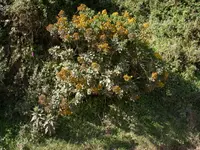
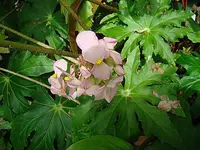
Catharanthus coriaceus is a small, evergreen shrub in the dogbane family, related to the better-known Madagascar periwinkle. It typically forms a compact, bushy shape with thick, leathery leaves and star-shaped flowers that resemble other Catharanthus species. Native to parts of Madagascar, it is adapted to warm, relatively dry habitats with well-drained soils. The plant is generally considered moderately easy to maintain if given consistent warmth, good light, and no waterlogging. Gardeners who want to care for Catharanthus coriaceus should focus on providing bright conditions, lean, free-draining substrate, and protection from prolonged cold or excessive moisture.

Main Plant Requirements

Care Difficulty

Moderate Care

Light Preference

Full Sun

Water Requirements

Moderate Water

Temperature Preference

Tropical / Frost Sensitive

Hardiness Zone

Unknown

Soil Texture

Sandy, Loamy, Organic-rich

Soil pH

Acidic (5.5–6.5), Slightly acidic (6.5–7.0)

Soil Drainage

Well-drained

Fertilization

Light (every 4–6 weeks)

Get Personalized Care Plan

Scan your plant to receive care tips personalized for your specific plant

Available on iOS and Android

How to Care for the Catharanthus coriaceus

This sun-loving species thrives in bright outdoor conditions with some protection from intense midday radiation.

  • Provide 6–8 hours of direct sun daily, ideally morning to early afternoon; light afternoon shade helps prevent leaf scorch in hot climates.
  • Tolerates light partial shade (around 3–4 hours direct sun) but flowering and compact growth decline if light drops below this level.
  • In summer, protect from reflected heat off walls or pavement; in cooler seasons, choose the sunniest, south-facing or west-facing spot to support Catharanthus coriaceus vigor.

Watering should balance moderate drought tolerance with the plant’s dislike of prolonged saturation.

  • Water when the top 3–5 cm of soil feels dry, applying enough to moisten the root zone, then allow excess to drain away fully.
  • Use sharply drained, sandy or loamy soil; standing water or heavy clay promotes root rot, yellowing leaves, and wilting despite wet soil.
  • In hot summer periods, expect more frequent watering and watch for dull, drooping leaves as a cue, while in cooler months reduce frequency to prevent soggy soil and blackened roots.

This plant prefers consistently warm conditions and does poorly in cold or frosty weather.

  • Aim for daytime temperatures of 70–86°F (21–30°C) and nights above 60°F (16°C) for strong growth and flowering.
  • Avoid exposure below 50°F (10°C); brief dips to 45°F (7°C) may be survived but repeated chills stunt growth and invite disease.
  • Catharanthus coriaceus tolerates dry heat up to about 95°F (35°C) if soil moisture is maintained, but any frost will damage foliage and can kill the plant outright.

This species handles typical indoor humidity but benefits from moderately moist air in heated homes.

  • Aim for 40–60% humidity; it tolerates brief drops but prolonged very dry air can stress Catharanthus coriaceus.
  • Crisping leaf edges and stalled growth suggest humidity is too low, especially near heaters or strong vents.
  • Increase humidity by grouping plants, using a nearby tray with water and pebbles, or running a small room humidifier.

Provide a light, fast-draining, slightly acidic to neutral substrate for healthiest root growth.

  • Use a mix of 50–60% peat- or coco-based potting medium with 20–30% coarse sand and 10–20% perlite for aeration.
  • Ensure water drains through within seconds of watering; soggy, compacted soil encourages root rot and nutrient imbalances.
  • Target pH around 6.0–7.0; avoid strongly alkaline mixes or heavy clay that limit micronutrient uptake and root expansion.
  • In beds, loosen the top 20–30 cm and incorporate fine gravel or grit where natural soil holds water for many hours.

This species is well suited to container growing outdoors in warm conditions.

  • Choose a pot just 2–4 in wider than the root ball so the mix dries evenly and does not stay wet around the roots.
  • Select a stable, heavier container if plants become bushy, to prevent wind from tipping them when the soil is dry and light.
  • Use a container mix with extra coarse sand or perlite, since pots retain water longer than beds and this species dislikes prolonged saturation.

Light, balanced feeding supports steady growth and flowering in Catharanthus coriaceus grown in garden or container settings.

  • Use a balanced NPK fertilizer (such as 10-10-10) or a thin layer of mature compost at the start of the growing season.
  • Apply a diluted liquid feed at 1/2 strength every 4–6 weeks during active spring–summer growth if soil is low in nutrients.
  • In containers, consider a slow-release granular fertilizer mixed into the topsoil for more stable nutrient supply.
  • Reduce or stop feeding in autumn and winter when growth slows, to avoid soft, weak tissues.

Pruning helps maintain a compact, healthy form and supports flowering on Catharanthus coriaceus.

  • Carry out light pruning in late winter or early spring before strong new growth begins.
  • Remove dead, diseased, or storm-damaged stems first, cutting back to healthy tissue with clean, sharp pruners.
  • Thin crowded interior shoots to improve air movement and light penetration, which lowers disease risk.
  • Tip back excessively long stems to shape the plant and encourage branching, avoiding heavy cuts into very old wood.

Transplanting is most relevant when Catharanthus coriaceus is started in containers or nursery beds before planting out permanently.

  • Look for roots circling the pot, water running straight through, or slowed growth as cues the plant is outgrowing its container.
  • Plan transplanting for spring or early summer, when soil is warming and the plant can establish quickly.
  • Typical nursery-grown plants need transplanting only once from pot to final garden position rather than repeated repotting.
  • Water thoroughly before and after moving, keep the root ball intact, and shade or shelter the plant for several days to limit transplant shock.

Propagation of Catharanthus coriaceus is typically done from seed under controlled conditions.

  • Sow fresh seeds in late winter or early spring in a sterile, free-draining seed mix kept at 70–75°F.
  • Press seeds lightly into the surface and keep the medium evenly moist but not waterlogged to avoid damping-off disease.
  • Provide bright, indirect light and good air movement, using a humidity dome that is vented daily.
  • Transplant seedlings to individual pots once they have several true leaves, handling roots gently to avoid damage.

Winter care focuses on avoiding frost damage and excess cold stress for Catharanthus coriaceus grown outside its preferred climate.

  • This species is frost sensitive and should be grown where winter temperatures stay above freezing or in containers that can be moved.
  • Before first frost, mulch the root zone with 5–8 cm of leaf mold or bark to buffer temperature fluctuations.
  • For potted plants, bring containers indoors to a bright, cool, frost-free room and reduce watering while growth is slow.

Care Tips

Pinch For Bushiness

Pinch out the soft shoot tips once plants reach 8–10 cm tall to encourage branching and a compact, floriferous canopy rather than tall, sparse stems.

Root-Zone Mulching

Apply a 1–2 cm layer of fine, inert mulch such as washed gravel or coarse sand around the root zone to keep the crown dry, reduce soil splash on leaves, and limit fungal issues.

Salinity Monitoring

Use low-salinity water and leach containers thoroughly every 4–6 weeks by watering until 20–30% of the volume drains out, which helps prevent salt accumulation that can cause leaf edge burn on this species.

Preventive Pest Scouting

Inspect underside of leaves and young shoots weekly with a hand lens, focusing on whiteflies and spider mites, and treat early with insecticidal soap or horticultural oil before populations build up.

Seasonal Growth Cycling

In cooler regions, treat the plant as a warm-season annual by starting it in containers under cover, then moving it outdoors only once nights stay consistently above 60°F to maintain strong, uninterrupted growth when growing Catharanthus coriaceus.

Common Pests and Diseases

Phytophthora blight

This disease causes sudden wilting, stem darkening near the soil line, and rapid collapse of shoots, especially in warm, wet conditions.

Solution

Remove and discard affected plants and nearby soil, avoid overhead watering, improve drainage, and keep the soil surface as dry as possible; in landscape or nursery settings, growers may use a phosphonate-based fungicide as a preventive measure where Phytophthora is known to occur.

Alternaria leaf spot

This disease produces small tan to brown spots on leaves that often enlarge with dark borders, leading to yellowing and premature leaf drop under humid conditions.

Solution

Remove and discard spotted leaves, space plants for better air movement, water at the base early in the day, and keep foliage dry; in production or large plantings, rotating a labeled protectant fungicide during humid periods can reduce spread.

Cercospora leaf spot

Symptoms include numerous small, round, gray to brown lesions on older leaves, which can coalesce and thin the canopy over time.

Solution

Prune and dispose of infected foliage, avoid overhead irrigation, and maintain good spacing and airflow; in nursery or landscape beds with recurring issues, apply a suitable foliar fungicide preventively at the first sign of spotting.

Southern blight

This disease causes rapid stem rot at the soil line, plant collapse, and sometimes white fungal growth with small round sclerotia on the soil surface or lower stems.

Solution

Carefully remove and destroy infected plants along with surrounding soil, avoid burying plant debris, and use clean pots and media; in infested garden soil, raise planting areas, improve drainage, and avoid planting susceptible species in the same spot for several years.

Aphids

These insects cluster on tender shoots and the undersides of leaves, sucking sap and causing curling, distortion, and sticky honeydew that can lead to sooty mold growth.

Solution

Dislodge colonies with a strong stream of water, remove heavily infested shoot tips, and encourage or introduce natural predators like lady beetles; for persistent infestations, use insecticidal soap or a light horticultural oil, applied thoroughly to leaf undersides and repeated as needed according to label directions for Catharanthus coriaceus care instructions.

Interesting Facts

Granite outcrop specialist

This species is naturally restricted to exposed granite outcrops in central Madagascar, where it grows in shallow, mineral‑poor soils that experience strong sun and rapid drying.

Evergreen subshrub habit

Unlike many herbaceous periwinkles, it forms a small, woody, evergreen subshrub with thick, leathery leaves adapted to reduce water loss and withstand harsh, rocky conditions.

Endemic and threatened

It is endemic to a limited area of Madagascar and is considered threatened in the wild because its specialized rocky habitat is vulnerable to disturbance and habitat conversion.

FAQs about Catharanthus coriaceus

This species generally performs better outdoors in warm, frost‑free climates, where it receives bright light, air movement, and stable temperatures. Catharanthus coriaceus indoor care is possible, but growth and flowering are typically less vigorous than in the landscape.

Grow Healthy Plants with Botan Care

Keep your plants happy and healthy with plant identification, disease detection, and easy care guidance.

Botan plant care app — identify plants on mobile

Explore More Plants