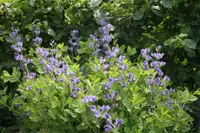
Acrisione Care (Acrisione denticulata)

Acrisione

About Acrisione

Acrisione denticulata is a perennial herb from the daisy family, forming low clumps with finely toothed leaves and small yellow flower heads. It has a compact, tidy growth habit that suits naturalistic and rock garden plantings.

This species is native to New Zealand, typically found in open, often rocky habitats with good drainage. It is adapted to cool, airy conditions and does best in mild climates.

Acrisione denticulata is not widely grown, but it is generally considered manageable for gardeners who can provide light, free-draining soil and consistent moisture without waterlogging. Those conditions make it easier to care for Acrisione, especially in temperate coastal regions.

Main Plant Requirements

Care Difficulty

Moderate Care

Light Preference

Partial Shade

Water Requirements

Moderate Water

Temperature Preference

Warm Climate

Hardiness Zone

Unknown

Soil Texture

Loamy

Soil pH

Slightly acidic (6.5–7.0)

Soil Drainage

Well-drained

Fertilization

Minimal (feed rarely)

Get Personalized Care Plan

Scan your plant to receive care tips personalized for your specific plant

Available on iOS and Android

How to Care for the Acrisione

This species prefers bright, cool conditions with some protection from intense midday sun.

  • Provide 4–6 hours of morning sun or late-afternoon sun, with light shade during the strongest midday hours.
  • Tolerates partial shade, but in very dim sites stems may stretch and flowering is reduced; choose an east or light dappled site outdoors.
  • In hot summers, use filtered light or light shade cloth to prevent leaf scorch and excessive wilting when caring for Acrisione.

Watering should keep the soil lightly moist but never saturated for healthy root growth.

  • Allow the top 2–3 cm of soil to dry before watering again; check with a finger rather than following a fixed calendar.
  • During active growth, water more often, but in cooler months reduce frequency so soil dries a bit deeper to limit rot risk.
  • Signs of overwatering include yellowing, soft stems, and sour-smelling soil, while drooping, crisp leaves and very light soil indicate underwatering in Acrisione denticulata.

Stable, cool to mild temperatures support compact growth and consistent flowering.

  • Ideal growth occurs around 55–70°F (13–21°C), with slightly cooler nights promoting sturdy, stocky shoots.
  • Plants tolerate down to about 28–30°F (-2 to -1°C) for short periods but are damaged by hard frost; use fleece or mulch during cold snaps.
  • In hot spells above 85°F (29°C), provide afternoon shade and extra air movement, as prolonged heat can reduce flowering and stress the plant.

This species prefers moderate to slightly humid air and benefits from stable indoor humidity.

  • Aim for 40–60% humidity; it tolerates brief dips but prolonged very dry air slows growth.
  • Watch for crisp leaf edges, dull foliage, or stalled new growth as signs of low humidity stress.
  • Increase humidity with a nearby pebble tray or grouped plants rather than misting, which adds only short-lived moisture.

Acrisione denticulata grows best in a light, well-structured mix that drains quickly yet holds moderate moisture.

  • Use a loose, loamy mix with roughly 50–60% standard potting mix, 20–30% perlite, and 10–20% fine bark or coarse sand for structure.
  • Aim for slightly acidic to neutral pH, around 6.0–7.0, which supports balanced nutrient availability and root health.
  • Improve aeration by avoiding compaction; mix in coarse particles and never press the surface down hard when potting.
  • Avoid heavy clay, peat-only, or waterlogged substrates, which reduce oxygen around roots and increase the risk of rot.

This species is well suited to container growing when given a stable, free-draining setup.

  • Choose a pot just 2–4 cm wider than the root mass to keep the mix drying at an even, moderate pace.
  • Select a heavier material such as ceramic if top growth becomes tall, to prevent tipping in wind or accidental knocks.
  • Elevate the container slightly on feet or pot risers so drainage holes stay clear and water does not pool under the base.

This species benefits from light, measured feeding rather than heavy fertilization.

  • Use a balanced liquid fertilizer (around 10-10-10 or 20-20-20) at 1/2 strength during the active growing season.
  • Apply every 4–6 weeks in spring and summer to container-grown Acrisione, skipping feedings for plants thriving in rich garden soil.
  • Reduce or stop feeding in fall and winter when growth slows, to avoid weak, soft tissue.
  • Occasionally supplement with a thin layer of compost on the soil surface instead of increasing synthetic fertilizer rates.

Pruning Acrisione denticulata focuses on maintaining a healthy, open structure.

  • Carry out main pruning in late winter or early spring before strong new growth begins.
  • Remove dead, damaged, or crossing stems first, then thin crowded interior shoots to improve light and air flow.
  • Shorten overly long stems to shape the plant and encourage bushier growth and more flowering points.
  • Use sharp, clean hand pruners, making angled cuts just above a healthy bud or side branch.

This plant is usually grown in the ground, so transplanting matters more than frequent repotting.

  • Transplant in early spring or early fall so roots can establish in mild temperatures and consistent soil moisture.
  • Look for signs such as circling roots in containers, slow growth, or quick drying soil to decide when to move it.
  • Shift container plants to a pot only 1–2 in wider, using a free-draining mix and gently loosening congested roots.
  • Water thoroughly after transplanting, then keep soil evenly moist and shade from harsh sun for 7–10 days to limit stress.

Propagation is moderately straightforward using both seeds and vegetative methods when timing and conditions are controlled.

  • Sow fresh seeds in early spring in a sterile, free-draining medium, keeping temperatures around 65–70°F and moisture even.
  • Take semi-ripe stem cuttings in late spring or early summer, using pieces 7–10 cm long with several nodes.
  • Dip cut ends in rooting hormone, insert into moist, airy mix, and maintain high humidity with bright, indirect light.
  • Division of mature clumps in early spring can also work, ensuring each section has strong roots and shoots before replanting.

This species is moderately hardy but benefits from simple winter care in colder climates.

  • Tolerates light frost, but prolonged freezes below the usual local minimum can damage young growth.
  • Apply a 5–8 cm layer of organic mulch around the root zone in late fall, keeping it slightly away from stems.
  • In very cold areas, add a breathable fleece wrap or shrub cover to shield stems from repeated freeze–thaw cycles.
  • Move container-grown plants into a sheltered, frost-free spot such as an unheated garage or cold greenhouse.

Care Tips

Provide lean nutrition

Use a low-dose, balanced fertilizer at half strength only during active growth to keep stems compact and avoid weak, lush growth that flops or breaks easily.

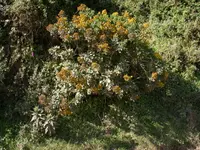
Pinch for branching

Lightly pinch or trim soft shoot tips early in the season to encourage denser, more branched plants with a fuller outline and more flowering points.

Improve air movement

Space plants so foliage does not touch and, in sheltered spots, allow light airflow to reduce fungal issues and keep leaves drying quickly after rain or overhead watering.

Monitor for lodging

In windy or exposed sites, check regularly for leaning stems and give discrete support with low canes or a small ring support before heavy weather rather than after stems have collapsed.

Renew older clumps

Every 2–3 years, lift and divide congested outdoor clumps in early spring, replanting only the strongest sections to maintain vigorous growth and overall health when caring for Acrisione.

Common Pests and Diseases

Powdery mildew

This disease produces a white to gray powdery coating on leaves and young stems, often starting on crowded or shaded growth. Symptoms include distorted foliage and reduced vigor in warm, dry conditions with poor air circulation.

Solution

Remove heavily infected leaves to reduce spore load, then improve spacing and airflow around plants and avoid overhead watering. If needed, apply a sulfur or potassium bicarbonate-based fungicide, following label directions and ensuring plants dry quickly after irrigation as part of general Acrisione denticulata care.

Leaf spot

This disease causes small brown to dark purple spots on leaves that may merge into larger lesions, sometimes with a yellow halo. Symptoms include premature leaf drop and a generally thinned, tired canopy in humid or wet weather.

Solution

Prune and discard affected leaves, avoid wetting the foliage, and water at soil level to keep leaves dry. Increase airflow and, in persistent cases, use a copper-based or chlorothalonil fungicide, rotating products if treatments are repeated over a long season.

Aphids

These insects cluster on young stems and leaf undersides, sucking plant sap and causing curling or distortion of new growth. This pest also excretes sticky honeydew that can lead to sooty mold on foliage.

Solution

Wash colonies off with a firm stream of water and pinch back heavily infested shoot tips. For ongoing infestations, apply insecticidal soap or neem oil to all leaf surfaces, repeating every 5–7 days until populations drop, and encourage natural enemies such as lady beetles by avoiding broad-spectrum insecticides nearby.

Leaf miners

These insects create pale, winding tunnels inside the leaves, leaving serpentine trails that can coalesce into larger blighted patches. Symptoms include thin, blistered areas on the leaf surface and cosmetic damage that can reduce photosynthesis when severe.

Solution

Remove and discard mined leaves as soon as trails appear to interrupt the life cycle. In recurrent cases, use a systemic product labeled for ornamental leaf miners or apply spinosad to young foliage, timing sprays to coincide with new flushes of growth.

Botrytis blight

This disease produces soft, water-soaked spots on leaves, stems, or flowers that quickly develop gray, fuzzy mold in cool, damp conditions. Symptoms include collapse of tender tissues and a general decline in dense, poorly ventilated plantings.

Solution

Cut out and discard affected tissue promptly, cleaning tools between cuts, and reduce humidity by spacing plants and improving airflow. Avoid overhead watering, especially late in the day, and use a labeled botrytis fungicide on high-value plants when wet, cool weather persists.

Interesting Facts

Canary Islands endemic

This species is naturally restricted to the Canary Islands, where it grows in high-altitude habitats and contributes to the unique island flora that evolved in long geographic isolation.

Single-species genus

Acrisione denticulata is the only known species in the genus Acrisione, making it taxonomically distinctive within the daisy family Asteraceae.

Shrubby daisy relative

Unlike many familiar daisy relatives that are herbaceous, this plant forms a woody or subshrubby growth habit, an adaptation that helps it cope with exposed, montane conditions.

FAQs about Acrisione

Yellowing leaves usually result from excess moisture around the roots, poor drainage, or nutrient imbalance, especially low nitrogen or magnesium. Check the potting mix, reduce watering frequency, improve drainage, and consider a balanced, diluted fertilizer during active growth.

Grow Healthy Plants with Botan Care

Keep your plants happy and healthy with plant identification, disease detection, and easy care guidance.

Botan plant care app — identify plants on mobile

Explore More Plants