Eustis Lake beardtongue Care (Penstemon australis)

Also known as: pink beardtongue

About Eustis Lake beardtongue

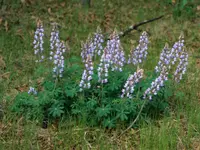
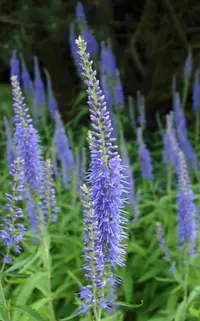
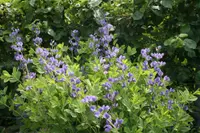
Eustis Lake beardtongue (Penstemon australis) is a herbaceous perennial native to moist pinelands, flatwoods, and roadside habitats in the southeastern United States. It forms upright clumps with slender stems and narrow leaves.

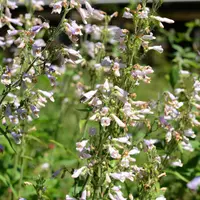
In late spring to early summer it carries spikes of tubular, lavender to pink flowers that attract bees, butterflies, and hummingbirds. The plant has a relatively airy, open habit and tends to self-seed where conditions suit it.

It adapts best to sunny, well-drained but not bone-dry sites, and benefits from soils that stay moderately moist. Gardeners who understand how to care for Eustis Lake beardtongue usually find it a durable, low-input choice in suitable climates.

Main Plant Requirements

Care Difficulty

Moderate Care

Light Preference

Full Sun

Water Requirements

Low Water

Temperature Preference

Warm Climate

Hardiness Zone

8–10

Soil Texture

Sandy, Loamy, Rocky

Soil pH

Acidic (5.5–6.5), Slightly acidic (6.5–7.0)

Soil Drainage

Well-drained

Fertilization

Minimal (feed rarely)

Get Personalized Care Plan

Scan your plant to receive care tips personalized for your specific plant

Available on iOS and Android

How to Care for the Eustis Lake beardtongue

Penstemon australis needs abundant sun to flower and stay compact.

  • Provide 6–8 hours of direct sun daily; full sun is ideal in most gardens, especially in open, sandy sites.
  • It tolerates light afternoon shade in hotter regions; morning sun with dappled shade later reduces leaf scorch and flower fade.
  • If stems stretch or flowering declines, the plant is not getting enough light; Eustis Lake beardtongue performs best in bright, open positions.

Penstemon australis prefers dry to moderately moist soil and dislikes constant wetness.

  • Allow the top 3–5 cm of soil to dry before watering; in well-drained ground this often means waiting several days after rainfall.
  • Water deeply but infrequently, letting excess drain away; sandy or rocky soil helps prevent root rot and crown rot.
  • In hot summer periods, watch for wilting or dull, curling leaves as a cue to water, and avoid soggy soil, yellowing foliage, or a sour smell, which indicate overwatering.

This species is adapted to warm climates and tolerates a fairly wide temperature range.

  • Active growth and flowering occur best around 65–85°F (18–29°C), typical of mild to warm outdoor conditions in much of the southeastern US.
  • Mature plants can survive brief dips near 25°F (-4°C), but repeated hard freezes and frozen, wet soil increase crown loss.
  • In hot spells above 95°F (35°C), provide mulch and avoid water stress; in cooler regions, plant in a warm, well-drained spot to reduce winter damage.

This species is adapted to dry air and usually does not need special humidity control.

  • Aim for 30–50% humidity, similar to typical indoor and outdoor air in most homes.
  • Eustis Lake beardtongue shows humidity stress as limp foliage and marginal leaf browning only under very prolonged, hot, stagnant conditions.
  • Increase air movement with a small fan or open window rather than misting, which adds little benefit and may promote foliar disease.

Penstemon australis prefers lean, well-drained, mineral soils that dry quickly between waterings.

  • Use a sandy or gravelly loam with about 60–70% inorganic material (coarse sand, small grit, or fine gravel) and 30–40% organic matter such as compost or pine bark fines.
  • Keep drainage very sharp; mix in coarse sand or 3–5 mm grit and avoid heavy clay that holds water around the crown and roots.
  • Target slightly acidic to neutral pH around 6.0–7.2, avoiding highly acidic peat-heavy mixes that stay wet and compact.
  • Penstemon australis plant care in containers or beds benefits from raised or sloped sites that shed water, avoiding low spots where water collects after rain.

This species can be grown in containers if drainage is excellent and the substrate remains relatively dry between waterings.

  • Choose a deep, narrow pot rather than a very wide one to keep roots cool and limit excess moisture retention in the outer soil zone.
  • Use a heavier terracotta or ceramic container if exposed to wind, as upright flowering stems can make the plant top-heavy when in bloom.
  • Elevate the pot on feet or bricks so drainage holes never sit directly on a solid surface, allowing rapid exit of excess water after rain or irrigation.

Penstemon australis is adapted to lean soils and needs only light, careful feeding to avoid weak, lush growth.

  • Use a low-dose balanced NPK fertilizer or thin compost layer in spring if growth or flowering seems poor.
  • Apply once at the start of the growing season; often that is enough for Eustis Lake beardtongue in average garden soil.
  • Dilute liquid fertilizers to 25–50% strength to prevent root burn and overly soft stems.
  • Avoid feeding in late fall and winter when growth slows or stops.

Pruning Penstemon australis focuses on maintaining vigor and encouraging repeat flowering.

  • In late winter or very early spring, remove dead, damaged, or winter-burned stems with clean bypass pruners.
  • After the main bloom, shear back spent flower spikes to stimulate a tidier shape and possible rebloom.
  • Thin crowded stems at the base to improve air flow and reduce disease pressure.
  • Avoid cutting into very old, woody crowns; leave some green growth on each stem.

This species is usually grown in the ground, so focus on careful transplanting rather than frequent repotting.

  • Transplant in early spring or early fall, when temperatures are mild and soil is workable.
  • Move plants only every few years, when clumps are overcrowded or flowering declines.
  • Lift with a generous soil ball, handle roots gently, and set at the same depth in a well-drained spot.
  • Water thoroughly after transplanting, then keep soil lightly moist until new growth indicates recovery.

Penstemon australis is commonly propagated by seed and softwood cuttings under suitable conditions.

  • Sow fresh seed in fall or late winter; a cool period helps break dormancy and improve germination.
  • Use a sharply drained seed mix, keep slightly moist, and provide bright light once seedlings emerge.
  • Take softwood cuttings in late spring, use rooting hormone, and place in a loose, gritty medium.
  • Maintain high humidity but good air movement around cuttings until firm roots form.

This penstemon is relatively cold tolerant in its native range and usually needs minimal winter care in mild climates.

  • In areas with occasional frost, apply a 5–7 cm mulch layer to insulate the root zone, keeping mulch off the crown.
  • Leave some top growth over winter to shield the crown, cutting it back in late winter rather than fall.
  • Container-grown plants in colder zones can be moved to a sheltered, unheated but frost-free area.

Care Tips

Early staking support

Install low, unobtrusive stakes or small hoops when plants are 10–15 cm tall so stems grow upright and flower spikes are less likely to lodge or snap in summer storms.

Shear after flowering

As soon as the main bloom finishes, lightly shear the top third of the plant with clean shears to encourage a tidier mound and a lighter flush of repeat flowering.

Targeted deadheading

Remove only the spent top flower clusters on each stem, leaving some developing seed heads lower down if you want limited self-sowing without losing ornamental value.

Lean competition control

Keep the root zone free of aggressive groundcovers and tall grasses so this species, which prefers lean, open conditions, does not get shaded or outcompeted at the crown.

Winter drainage check

Before winter rains, confirm that planting areas drain fully within a few hours after heavy watering, since good off-season drainage is critical for growing Eustis Lake beardtongue long term.

Common Pests and Diseases

Leaf spot

This disease causes small water-soaked spots on leaves that enlarge, turn tan to brown, and may develop dark margins or a yellow halo. Symptoms include premature leaf drop in warm, humid weather.

Solution

Remove and discard affected leaves, avoid overhead watering, and water early in the day so foliage dries quickly. Improve spacing and airflow around plants, and if spots continue to spread, use a copper- or chlorothalonil-based fungicide labeled for ornamental perennials according to the product directions.

Powdery mildew

This disease shows up as white or gray powdery patches on upper leaf surfaces, often during warm days and cool, humid nights. Symptoms include distorted growth and early leaf yellowing if it becomes severe.

Solution

Increase air circulation by thinning crowded stems and avoiding overhead watering, and remove heavily covered leaves to reduce spore load. If needed, apply a sulfur or potassium bicarbonate fungicide labeled for powdery mildew on ornamentals, starting at the first sign of the white coating.

Aphids

These insects cluster on young stems and flower spikes, sucking sap and causing curling or distortion of new growth. This pest often leaves sticky honeydew that can attract sooty mold on leaves and stems.

Solution

Spray plants with a firm stream of water to dislodge colonies, repeating every few days as needed. For persistent infestations, use insecticidal soap or a ready-to-use neem oil product, coating the undersides of leaves and tender shoots while avoiding applications during high heat or full midday sun.

Leafhoppers

These insects feed by piercing leaves and sucking sap, leaving pale stippling, tiny white spots, or irregular yellowing on foliage. This pest can also cause marginal browning and may vector disease organisms between plants.

Solution

Reduce grassy weeds and unmown vegetation near plantings, as these can harbor leafhoppers, and remove heavily damaged leaves. For ongoing problems, use a pyrethrin or insecticidal soap spray labeled for leafhoppers, applying in the early morning or evening to limit impact on pollinators while following label directions carefully.

Botrytis blight

This disease produces soft, water-soaked areas on flowers, buds, and tender stems that soon develop a fuzzy gray mold, especially in cool, wet conditions. Symptoms include blighted flower spikes and collapse of affected stems at ground level or just above a lesion.

Solution

Promptly remove and discard infected flowers, stems, and leaf debris, and avoid wetting the foliage or blooms when watering. Improve drainage and airflow around the plants, and in prolonged wet weather consider a preventative application of a fungicide labeled for Botrytis on ornamentals, focusing on flower spikes and dense foliage clusters to support Penstemon australis care.

Interesting Facts

Florida sandhill specialist

This species is native to central Florida and is closely tied to dry, well‑drained habitats such as sandhills, scrub, and open longleaf pine communities, where it grows in nutrient‑poor, sandy soils.

Bee‑shaped flower design

Its tubular, two‑lipped lavender to pale purple flowers are shaped to guide southeastern native bees, especially bumble bees, to the nectar while dusting them with pollen, which improves cross‑pollination efficiency.

Fire‑adapted wildflower

In its natural range it often occurs in fire‑maintained ecosystems, where periodic burns reduce competition from woody plants and help keep the open, sunny conditions this species needs to persist.

Botan icon

Did you know?

This species has a very restricted global range, occurring only in parts of Florida, and is considered of conservation concern because habitat loss and alteration of natural fire regimes have reduced and fragmented many of its native populations.

FAQs about Eustis Lake beardtongue

The tubular flowers are highly attractive to native bees, butterflies, and especially hummingbirds. Providing a sunny, open site with minimal pesticide use will maximize pollinator activity and support beneficial insects throughout the blooming period.

Grow Healthy Plants with Botan Care

Keep your plants happy and healthy with plant identification, disease detection, and easy care guidance.

Botan plant care app — identify plants on mobile

Explore More Plants