Canadian burnet Care (Sanguisorba canadensis)

Also known as: white burnet
Canadian burnet

About Canadian burnet

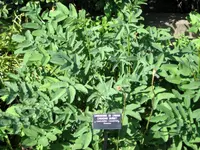
Canadian burnet (Sanguisorba canadensis) is a hardy, clump-forming perennial herb grown mainly for its elegant flower spikes and fine-textured foliage. It typically reaches medium height with upright stems topped by slender, white bottlebrush-like blooms.

This species is native to moist meadows, stream banks, and open wetlands in eastern North America, so it naturally favors cool, damp conditions. It adapts best in consistently moist, well-drained soil and full sun to light shade.

Once established in the right site, it is relatively low-maintenance and long-lived, which makes it straightforward to care for Canadian burnet in temperate gardens.

Main Plant Requirements

Care Difficulty

Moderate Care

Light Preference

Full Sun

Water Requirements

Keep Soil Moist

Temperature Preference

Cold Hardy

Hardiness Zone

3–8

Soil Texture

Loamy, Silty, Organic-rich

Soil pH

Acidic (5.5–6.5), Slightly acidic (6.5–7.0)

Soil Drainage

Moist but well-drained

Fertilization

Minimal (feed rarely)

Get Personalized Care Plan

Scan your plant to receive care tips personalized for your specific plant

Available on iOS and Android

How to Care for the Canadian burnet

This moisture-loving perennial prefers consistent sun but accepts some shade in hotter regions when caring for Canadian burnet.

  • Provide 4–6 hours of direct sun daily in cool to mild climates; in hotter areas, aim for morning sun with light afternoon shade.
  • Plant in an open site with unshaded midday exposure only where summers are mild; intense afternoon sun in hot zones can scorch foliage.
  • In partial shade (2–4 hours sun), flowering and height may reduce; consider a brighter spot if stems stretch or flowering declines.

This species naturally grows in wet meadows and bogs, so soil moisture must stay consistently high.

  • Maintain soil that is consistently moist to saturated; do not allow the top 2–3 cm to dry out in the ground during the growing season.
  • Use deep, thorough soakings based on conditions: increase watering during hot, windy periods and reduce slightly in cool, rainy weather.
  • Watch foliage for stress: drooping, dull leaves indicate underwatering, while yellowing, limp growth and sour-smelling soil suggest poor drainage and overwatering in Sanguisorba canadensis.

This hardy perennial tolerates cold winters but grows best in moderate summer temperatures.

  • Optimal active growth occurs around 60–75°F (16–24°C); plants remain healthy slightly above or below this range with adequate moisture.
  • Established clumps survive winter cold to about -20°F (-29°C) in the ground, dying back to the crown and resprouting in spring.
  • In summer heat above 85°F (29°C), provide ample soil moisture and light afternoon shade to limit stress, leaf scorch, and reduced flowering.

This species prefers consistently moist air but usually copes with typical outdoor humidity levels.

  • Aim for 50–70% humidity in sheltered planting areas, similar to damp meadows or pond margins.
  • Dry, windy sites can cause leaf edges to brown and flower spikes to dry prematurely, indicating humidity stress.
  • Increase local humidity by mulching heavily and grouping plants near other moisture-loving species or water features.

This moisture-loving perennial needs deep, consistently damp, organic-rich soil to perform well.

  • Use a loamy, humus-rich soil with fine texture that holds moisture yet does not stay waterlogged.
  • Aim for slightly acidic to neutral pH around 5.5–7.0, which supports nutrient availability for Sanguisorba canadensis.
  • In garden beds, mix in generous compost and well-rotted leaf mold to increase water retention and structure.
  • Avoid compacted clay, shallow stony ground, or any site where water stagnates above the root zone.

This plant can be grown in large containers if its need for constant moisture and root depth is respected.

  • Choose a tall, heavy container that prevents tipping as the mature clumps and flower spikes become top-heavy.
  • Use a moisture-retentive mix, such as compost with a small amount of fine bark, in a pot that drains slowly but does not hold standing water.
  • Position the container where it is easy to water daily in hot weather so the root zone never fully dries out.

This native perennial generally needs minimal feeding in garden soil but responds to light nutrition on poor sites.

  • Use a balanced, slow-release fertilizer (for example 10-10-10) or a thin layer of compost in early spring as growth starts.
  • Apply once per growing season in most soils; on very lean ground, a second light application in midsummer is enough.
  • Use fertilizer at 1/2 strength compared with label rates to avoid lush, floppy growth in Canadian burnet.
  • Avoid feeding in late fall or winter to prevent soft growth that may be damaged by cold.

Pruning Sanguisorba canadensis is mainly done to tidy the plant and maintain flowering performance.

  • Cut back spent flower spikes during summer to encourage a neater look and sometimes a light rebloom.
  • In late fall or very early spring, remove dead, damaged, or weak stems down to the base.
  • Thin crowded stems with clean hand pruners to improve air flow and reduce disease risk.
  • Disinfect blades between plants, especially if any fungal spotting is present.

This species is usually grown in the ground, so care focuses on dividing and transplanting mature clumps rather than frequent repotting.

  • Plan divisions or transplants for early spring or early fall when temperatures are cool and soil is moist.
  • Lift the clump and gently tease roots apart, discarding woody centers and keeping vigorous outer sections.
  • Replant divisions at the same depth in enriched, consistently moist soil, spacing to allow future spread.
  • Water thoroughly after planting and keep soil evenly moist for several weeks to reduce transplant shock.

New plants are most reliably produced by division, with seed used when larger quantities are needed.

  • Divide established clumps in early spring or early fall, ensuring each piece has several healthy buds and roots.
  • Sow fresh seeds in fall outdoors or use cold stratification at 35–40°F for 6–8 weeks before spring sowing.
  • Provide evenly moist soil and bright, indirect light for both divisions and seedlings until growth is strong.
  • Space young plants out once rooted or germinated to avoid overcrowding and encourage upright, sturdy growth.

This cold-hardy perennial needs little winter care in most climates where it is grown outdoors.

  • After hard frost, cut stems back close to ground level if a tidy winter appearance is desired.
  • Apply a 5–8 cm layer of mulch over the root zone in late fall, especially in colder regions or exposed sites.
  • For container-grown plants, move pots into a sheltered, unheated area to prevent repeated freeze–thaw of the root ball.

Care Tips

Staking Tall Stems

Install discreet stakes or a low ring support in early summer so the tall, flower-loaded stems stay upright and do not flop or snap in wind and heavy rain.

Moisture Buffer Mulch

Apply a 5–7 cm layer of fine bark or composted leaf mold around, but not touching, the crowns to keep the root zone evenly moist and reduce soil temperature swings in hot weather.

Avoid Root Disturbance

Mark the clump edges and avoid deep cultivation or frequent division, since this species resents heavy root disturbance and establishes a more stable, longer-lived stand when left in place.

Succession Planting Nearby

Combine with later-flowering perennials that tolerate similar moisture so neighboring plants can fill visual gaps if stems are cut back after bloom, keeping the border attractive while growing Canadian burnet.

Winter Crown Protection

In colder regions leave the top growth standing until late winter, then cut it back and add a light mulch over the crowns to protect against freeze–thaw cycles that can heave shallow roots.

Common Pests and Diseases

Powdery mildew

This disease often appears in late summer on foliage in dense plantings with poor air movement. Symptoms include white, powdery patches on upper leaf surfaces that can cause yellowing and reduced vigor.

Solution

Improve air circulation by thinning crowded stems and avoiding overhead watering, then remove and dispose of heavily infected leaves to lower spore levels. If needed, apply a sulfur or potassium bicarbonate fungicide labeled for ornamentals, starting early in the outbreak and repeating as directed in the product instructions.

Leaf spot

This disease causes small to medium brown or purplish spots on leaves, sometimes with yellow halos, and is more common in prolonged wet or humid weather. Symptoms include premature leaf drop and general decline in appearance.

Solution

Remove and discard affected leaves and any fallen debris around the clump to reduce reinfection, and water at the base in the morning so foliage dries quickly. In persistent cases, use a copper-based or chlorothalonil fungicide labeled for ornamental perennials, following label directions and rotating products if the problem recurs year after year as part of Sanguisorba canadensis care instructions.

Aphids

These insects feed on tender stems and undersides of leaves, sucking sap and causing curling, distortion, and sticky honeydew that can lead to sooty mold. This pest tends to build up on lush, nitrogen-rich growth, especially in sheltered sites.

Solution

Dislodge colonies by spraying plants with a strong stream of water, focusing on shoot tips and leaf undersides, and repeat every few days until numbers drop. For heavier infestations, treat with insecticidal soap or a neem oil product labeled for ornamentals, applied in the early morning or evening to avoid leaf burn and to protect beneficial insects as much as possible.

Japanese beetles

These insects chew ragged holes in leaves and flower spikes, often skeletonizing the foliage and reducing ornamental value in mid-summer. This pest is particularly active on sunny days and may congregate in groups on the same plant.

Solution

Hand-pick beetles in the early morning when they are sluggish and drop them into a container of soapy water, repeating daily during peak activity. In areas with heavy pressure, consider using row covers over smaller plantings during peak flight times or applying a contact insecticide specifically labeled for Japanese beetles, targeting foliage in the evening and strictly following label instructions.

Interesting Facts

Bog specialist habitat

This species is naturally restricted to cool, wet habitats such as acidic bogs, fens, and wet meadows in northeastern North America, where its deep, fibrous root system anchors it in saturated soils. It rarely thrives in dry or strongly alkaline ground, which helps keep its wild distribution quite localized.

Late-season pollinator resource

The tall white bottlebrush-like flower spikes often bloom from mid to late summer into early fall, providing nectar and pollen after many other native perennials have finished. This extended bloom period supports a range of bees, flies, and other insects at a time when floral resources start to decline.

Clumping, not running growth

Unlike many wetland perennials that spread aggressively by long rhizomes, this plant typically forms upright, slowly expanding clumps from its crown. In suitable conditions it can become large and showy, but it does not usually behave as an invasive spreader in its native range.

Botan icon

Did you know?

This species is considered a regional conservation concern in parts of its native range, such as some New England states, where loss of intact wetlands and hydrologic changes have reduced its natural populations, making protection and restoration of bog and fen habitats important for its long-term persistence.

FAQs about Canadian burnet

This species is highly attractive to many pollinators. The tall, white bottlebrush flowers supply nectar and pollen for bees, hoverflies, and some butterflies, making it a useful addition to wildlife-friendly borders and rain gardens.

Grow Healthy Plants with Botan Care

Keep your plants happy and healthy with plant identification, disease detection, and easy care guidance.


Botan plant care app — identify plants on mobile

Explore More Plants