Begonia manicata Care

Begonia manicata

About Begonia manicata

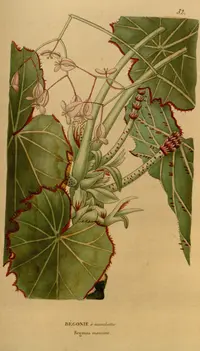
Begonia manicata is a rhizomatous begonia grown mainly for its large, decorative, often palm-like leaves rather than its flowers. It typically forms a low, spreading clump, with arching stems and textured foliage that can show subtle color variations and fine hairs.

This species comes from cloud forests of Mexico and Central America, where it grows in warm, humid, shaded habitats. Its need for stable warmth, high humidity, and evenly moist but airy soil makes it moderately challenging for beginners.

Those who want to care for Begonia manicata should focus on providing bright, indirect light, protection from cold drafts, and a free-draining potting mix that does not stay waterlogged.

Main Plant Requirements

Care Difficulty

Moderate Care

Light Preference

Bright Indirect Light

Water Requirements

Moderate Water

Temperature Preference

Tropical / Frost Sensitive

Hardiness Zone

10–11

Soil Texture

Loamy, Peaty, Organic-rich

Soil pH

Acidic (5.5–6.5)

Soil Drainage

Moist but well-drained

Fertilization

Light (every 4–6 weeks)

Get Personalized Care Plan

Scan your plant to receive care tips personalized for your specific plant

Available on iOS and Android

How to Care for the Begonia manicata

This species prefers bright, indirect light that mimics a lightly shaded forest edge.

  • Provide 4–6 hours of bright, filtered light daily, such as dappled shade under taller plants or sheer-curtained windows for Begonia manicata indoor care.
  • Allow gentle morning sun in east exposure, but protect from direct midday and afternoon sun, which can scorch leaves and cause pale, crispy patches.
  • In summer, shift plants slightly farther from strong sun; in winter, move closer to bright windows or brighten shade to prevent leggy, stretched growth.

This plant prefers evenly moist but never waterlogged soil.

  • Water when the top 2–3 cm of soil feel dry, using thorough watering until excess drains away, then empty saucers to avoid root rot.
  • In active growth (spring–summer), expect more frequent watering; in cooler months, allow the soil surface to stay dry slightly longer between waterings.
  • Yellowing, soft stems suggest overwatering, while drooping, thin, crisp leaves indicate underwatering; adjust and ensure soil is loose and well draining.

This species grows best in mild, frost-free conditions with stable temperatures.

  • Aim for 65–80°F (18–27°C) for steady growth; short exposures down to 55°F (13°C) are tolerated but slow growth and can stress the plant.
  • Protect from frost; temperatures below 40°F (4°C) can cause severe damage or death, so bring containers indoors or provide protection before the first frost.
  • In hot periods above 85°F (29°C), increase shade and air movement; avoid placing plants near heat sources, cold drafts, or sudden temperature swings.

This species benefits from moderately high, stable humidity to keep foliage healthy.

  • Aim for 50–70% humidity; it tolerates brief dips but reacts poorly to very dry indoor air, especially near heating vents.
  • Watch for crisp leaf edges, curling, and slow new growth as signs of humidity stress in Begonia manicata.
  • Increase humidity with a pebble tray, grouped plants, or a room humidifier, but avoid misting that leaves water sitting on leaves.

This species prefers a loose, airy, organic-rich mix that drains quickly but does not dry out instantly.

  • Use a mix of roughly 40% peat or coco coir, 40% fine bark, and 20% perlite to balance moisture retention and drainage.
  • Ensure the soil is crumbly and well-aerated so oxygen can reach the roots and excess water can move through easily.
  • Aim for slightly acidic to neutral pH, around 6.0–7.0, which keeps nutrients available without causing toxicity issues.
  • Avoid heavy garden soil, pure compost, or mixes that stay soggy, as these increase the risk of root rot and stem collapse.

This species is well suited to container growing due to its fibrous root system and compact habit.

  • Choose a broad, shallow pot that allows horizontal root spread without leaving a deep, wet zone at the base.
  • Select a stable, heavier container material if the foliage becomes large and top-heavy to prevent tipping.
  • Ensure wide, unobstructed drainage holes so water exits quickly and does not pool around the lower stems.

This cane-type begonia benefits from light, consistent feeding during active growth.

  • Use a balanced liquid fertilizer (around 10-10-10 or 20-20-20) diluted to 1/4–1/2 strength.
  • Feed Begonia manicata every 2–4 weeks in spring and summer when growth is strong.
  • Skip or reduce feeding to once every 6–8 weeks in fall and winter.
  • Flush the pot with plain water every 4–6 weeks to prevent salt buildup in the soil.

Thoughtful pruning keeps this begonia compact, healthy, and well-shaped.

  • Best time is late winter to early spring, just before strong new growth starts.
  • Remove dead, yellowing, or damaged stems and leaves with clean, sharp scissors or pruners.
  • Thin crowded, weak, or crossing canes at the base to improve light and air flow in Begonia manicata.
  • Pinch soft growing tips lightly to encourage branching and a fuller habit rather than tall, sparse canes.

Begonia manicata grows best when slightly root-bound, with occasional repotting to refresh soil.

  • Check for roots circling the pot, pushing through drainage holes, or reduced growth as signs it needs attention.
  • Plan to repot every 2–3 years in spring, moving up only 2–5 cm in pot diameter.
  • Gently loosen circling roots, keep the root ball mostly intact, and use a light, well-drained mix suitable for begonias.
  • Water thoroughly after repotting, then keep soil slightly moist and shaded for 3–7 days to reduce transplant shock.

This species is commonly multiplied by stem cuttings and division under warm, humid conditions.

  • Take 7–10 cm semi-ripe stem cuttings in late spring or summer, each with 2–3 nodes.
  • Insert cuttings into moist, sterile, well-drained mix and keep humidity around 60–80% with bright, indirect light.
  • Maintain temperatures near 70–75°F and lightly moist media until roots form in 3–6 weeks for Begonia manicata.
  • Divide mature clumps in spring, keeping several healthy stems and roots per division, then pot separately and water well.

This tropical begonia is frost-sensitive and needs protection in cool climates.

  • In USDA zones below 10, grow Begonia manicata in containers and move indoors before temperatures drop below 50°F.
  • Provide bright, indirect light indoors and keep temperatures around 60–70°F through winter.
  • Reduce watering and stop most feeding, allowing the topsoil to dry slightly between waterings.
  • Use a light mulch on outdoor plants in mild climates to buffer brief cool spells and stabilize soil moisture.

Care Tips

Leaf weight support

Provide a low, wide pot and, if needed, discreet stakes or a short ring support to keep heavy, asymmetric leaves from snapping at the petiole base when they reach mature size.

Prevent salt buildup

Every 4–6 weeks, flush the potting mix thoroughly with lukewarm water until it runs freely from the drainage holes to remove accumulated fertilizer salts that can burn this species’ fine roots.

Targeted pest checks

Inspect the undersides of the largest leaves and the woolly petiole bases with a hand lens every 1–2 weeks, since these textured areas are prime hiding spots for mealybugs and spider mites on this species.

Gentle grooming routine

Remove any yellowing or torn individual leaf segments by cutting just the damaged part with clean scissors, rather than removing the whole leaf, to preserve photosynthesis while keeping the plant tidy.

Stable placement strategy

Keep the plant in a low-traffic spot away from doors and vents, as frequent moving or drafts often cause leaf edge scorch and stress when caring for Begonia manicata.

Common Pests and Diseases

Powdery mildew

This disease causes a white, powdery coating on the large leaves, especially in humid, stagnant air. Symptoms include dull, distorted foliage and slowed growth.

Solution

Remove the worst affected leaves, then improve air circulation around the plant and avoid wetting the foliage. For ongoing issues, apply a sulfur or potassium bicarbonate fungicide labeled for ornamental houseplants, treating both upper and lower leaf surfaces according to label directions.

Botrytis blight

This disease produces gray, fuzzy mold on leaves, petioles, and flowers, often starting on old or damaged tissue. Symptoms include soft, water-soaked spots that quickly collapse and spread in cool, damp conditions.

Solution

Cut off and discard all affected parts, then increase airflow, reduce crowding, and water early in the day so surfaces dry quickly. In severe or recurrent cases, use a botrytis-targeted fungicide suitable for ornamentals and keep humidity on the lower end for Begonia manicata indoor care.

Spider mites

These pests feed on the undersides of the broad leaves, causing fine stippling, dulling of leaf color, and sometimes delicate webbing. This pest thrives in warm, dry indoor air.

Solution

Shower the plant with lukewarm water, focusing on the undersides of leaves, and repeat weekly until activity declines. If needed, follow with applications of insecticidal soap or horticultural oil, ensuring thorough coverage and keeping the plant out of direct sun until foliage is dry.

Mealybugs

These insects appear as white, cottony clusters on leaf joints, petioles, and undersides of leaves, where they suck sap. Symptoms include sticky honeydew, sooty mold growth, and distorted new foliage.

Solution

Isolate the plant, then dab individual insects with cotton swabs dipped in isopropyl alcohol and wipe away residues. For larger infestations, use repeated treatments of insecticidal soap or a light horticultural oil, paying attention to leaf bases and other hiding spots.

Bacterial leaf spot

This disease produces dark, water-soaked spots that may have a translucent or greasy appearance on the large, thin leaves. Symptoms include yellow halos around spots and rapid tissue collapse in warm, moist conditions.

Solution

Remove and discard affected leaves, avoid overhead watering, and keep foliage dry as much as possible. If the problem persists, reduce humidity, improve air movement, sterilize tools between cuts, and discard severely affected plants to prevent spread to other begonias.

Interesting Facts

Native cloud forest origins

This species is naturally found in humid cloud forests of southern Mexico and Central America, where it grows on shaded, moist forest floors and rocky slopes rather than in full sun.

Distinctive red petiole hairs

The leaf stalks are covered in prominent red bristly hairs, which are believed to help protect tender tissues from herbivores and reduce excess moisture loss in its native habitat.

Large asymmetric leaves

It develops broad, strongly asymmetric leaves that can reach impressive sizes in mature plants, an adaptation that helps maximize light capture under dense forest canopies.

FAQs about Begonia manicata

Brown, crispy leaf edges usually result from low humidity, underwatering, or fertilizer salts building up in the potting mix. Flush the soil occasionally, keep moisture even, and raise humidity slightly to prevent further damage.

Grow Healthy Plants with Botan Care

Keep your plants happy and healthy with plant identification, disease detection, and easy care guidance.

Botan plant care app — identify plants on mobile

Explore More Plants