rock araucaria Care (Araucaria scopulorum)

rock araucaria

About rock araucaria

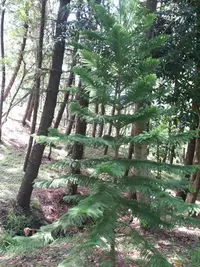
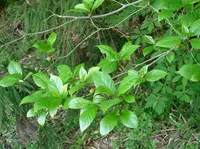
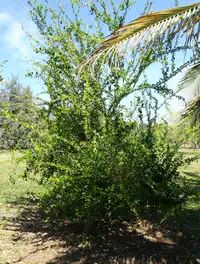
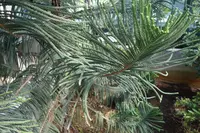
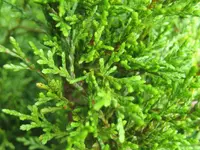
Rock araucaria (Araucaria scopulorum) is a slow-growing evergreen conifer with a strong, upright form and distinctly layered, whorled branches. Its stiff, scale-like needles give the canopy a dense, architectural look.

This species is native to rocky coastal areas of New Caledonia, where it grows in exposed, windy sites with well-drained, often poor soils. It is valued more for structure and resilience than for fast growth.

In cultivation, it prefers bright light, good air circulation, and soil that drains quickly but does not stay bone dry. Understanding its slow growth and need for stable, low-stress conditions is key to how to care for rock araucaria.

Main Plant Requirements

Care Difficulty

Moderate Care

Light Preference

Full Sun

Water Requirements

Moderate Water

Temperature Preference

Warm Climate

Hardiness Zone

10–11

Soil Texture

Sandy, Loamy, Rocky

Soil pH

Acidic (5.5–6.5), Slightly acidic (6.5–7.0)

Soil Drainage

Well-drained

Fertilization

Minimal (feed rarely)

Get Personalized Care Plan

Scan your plant to receive care tips personalized for your specific plant

Available on iOS and Android

How to Care for the rock araucaria

This species prefers bright, open conditions that mimic coastal or exposed slopes in its native range.

  • Provide 6–8 hours of direct sun daily; light morning sun plus high, bright afternoon light suits most outdoor sites for rock araucaria.
  • It tolerates light partial shade, but sites with less than 4–5 hours of direct sun lead to sparse branching, longer internodes, and duller foliage color.
  • In hot inland climates, protect from intense late-afternoon sun with taller plants or structures to reduce leaf scorch and moisture stress in summer.

This conifer prefers consistently moist but not saturated soil, especially while establishing.

  • Before watering, allow the top 3–5 cm of soil to dry, then water deeply so moisture penetrates the root zone rather than just the surface.
  • During the first 2–3 growing seasons, monitor closely in warm, windy weather; drooping or dull needles often indicate the need for a thorough soak.
  • Ensure sharply draining, slightly sandy soil to reduce root rot risk in Araucaria scopulorum; yellowing lower foliage and a sour soil smell usually signal overwatering.

This species is adapted to mild, maritime-type climates with limited temperature extremes.

  • Optimal growth occurs around 60–75°F (16–24°C), with steady shoot extension and good needle density in this range.
  • Mature trees may tolerate brief drops near 25°F (-4°C), but young plants are more cold-sensitive and should be shielded from hard frost and freezing winds.
  • Heat tolerance is moderate; in spells above 90°F (32°C), provide soil mulch and wind protection to limit stress, and avoid planting in heat-reflective, enclosed spots.

This conifer prefers moderately low to moderate humidity and stays healthy in typical indoor air.

  • Aim for 35–55% humidity; avoid persistently above 70% to reduce fungal risk on rock araucaria foliage.
  • It tolerates short dry spells, but very dry air below 30% may cause browning tips and increased needle drop.
  • Increase humidity slightly with a nearby open tray of water and pebbles or grouping plants, rather than frequent misting.

This species needs sharply drained, lean, slightly acidic soil that mimics mineral, rocky slopes.

  • Use a mix of roughly 40% pine bark fines, 30% coarse sand, and 30% gritty mineral substrate such as pumice or perlite.
  • Keep drainage fast so water exits within seconds; avoid dense, peat-heavy or clayey mixes that stay wet around the roots.
  • Aim for a slightly acidic pH of about 5.5–6.5, which supports nutrient availability without encouraging root rot.
  • For Araucaria scopulorum, incorporate coarse gravel in the lower mix layer to improve aeration and prevent perched water.

This species can be grown in containers if the pot is stable and supports its eventual height.

  • Choose a heavy, wide-based pot that resists tipping as the plant gains height and lateral branch spread.
  • Select a container deep enough to accommodate a developing taproot, avoiding shallow dishes that force roots sideways.
  • Ensure sidewall drainage holes as well as base holes so excess water leaves quickly even if the pot sits on a flat surface.

Araucaria scopulorum grows slowly and needs modest, careful feeding rather than heavy fertilization.

  • Use a balanced, slow-release fertilizer (for example 10-10-10) or well-aged compost mixed into the topsoil in spring.
  • Feed container plants lightly every 6–8 weeks during the growing season at 1/2 recommended strength.
  • Avoid fertilizing in late fall and winter, when growth is minimal or dormant.
  • Flush the soil with plain water a few times per year to reduce salt buildup, especially in pots.

Araucaria scopulorum needs minimal pruning, mainly to maintain safety and remove declining material.

  • Carry out any necessary work in late winter or very early spring before active growth starts.
  • Remove only dead, diseased, or damaged branches, cutting back to sound wood with clean, sharp bypass pruners or a pruning saw.
  • Avoid shortening healthy main branches, since this disturbs the natural layered form and can cause uneven growth.
  • Do not remove the central leader unless it is dead or hazardous, as this permanently alters the tree’s structure.

This species is usually grown in the ground; container-grown rock araucaria or young trees dislike frequent disturbance.

  • Consider transplanting or repotting only when roots circle the pot, growth slows markedly, or watering becomes difficult.
  • Plan major moves for late winter or early spring, before strong new growth begins.
  • Transplant in the coolest part of the day, keeping the root ball intact and moving it into a hole or pot just 1–2 sizes larger.
  • Water thoroughly after planting, then maintain even moisture and provide light shade or wind protection for several weeks to limit transplant shock.

Araucaria scopulorum is slow-growing and usually propagated by seed rather than by home methods.

  • Sow fresh seed in late winter or early spring in a deep container with free-draining, slightly acidic mix.
  • Provide 65–75°F, bright indirect light, and consistently moist but not waterlogged conditions for germination.
  • Use tall pots to accommodate the developing taproot and avoid root disturbance during pricking out or potting on.
  • Specialist growers may use semi-hardwood cuttings with rooting hormone under controlled humidity, but success is often low.

Mature Araucaria scopulorum is generally cold hardy in suitable climates and often needs only basic winter attention.

  • In colder areas, apply a 5–8 cm mulch layer over the root zone, keeping it slightly away from the trunk.
  • Shelter young trees from harsh winter winds using temporary screens or positioning near a windbreak.
  • For container plants in marginal climates, move pots into a cool, bright, frost-free space until spring.

Care Tips

Early leader training

In the first years, inspect the central leader annually and loosely stake it vertically if it bends or forks, since a strong single leader is essential for long-term structural stability in this species.

Wind-hardening outdoors

If moving a container plant outside, gradually expose it to stronger wind over 2–3 weeks so the stem and root system adapt, reducing the risk of rocking, leaning, or wind snap.

Root-ball anchoring

For container specimens taller than 60–80 cm, use a wider, heavier pot and top-dress with a 2–3 cm layer of coarse gravel or small stones to add ballast and keep the tree from tipping in gusty conditions.

Canopy dust management

Rinse the foliage gently with lukewarm water every few months to remove dust from the needles, which helps maintain efficient photosynthesis and reduces spider mite pressure when caring for rock araucaria.

Salt and fluoride control

In areas with hard tap water, occasionally flush the pot thoroughly with low-mineral water and allow full drainage to limit salt and fluoride buildup that can cause needle-tip burn over time.

Common Pests and Diseases

Scale insects

This pest feeds on sap along stems and needles, leading to yellowing foliage, reduced vigor, and sticky honeydew that can encourage sooty mold growth.

Solution

Prune and discard heavily infested twigs, then wipe remaining accessible stems with cotton pads dipped in alcohol or insecticidal soap; for larger trees, use a horticultural oil spray during mild weather, ensuring thorough coverage of branches and trunk while monitoring new growth for reinfestation.

Araucaria leaf blight

This disease causes browning and premature drop of older needle-like leaves, often starting on lower or shaded branches and moving upward in humid, poorly ventilated conditions.

Solution

Remove and dispose of affected branches and fallen needles, improve spacing and airflow around the plant, avoid overhead watering, and apply a copper-based fungicide or other labeled conifer fungicide if new lesions continue to appear under moist conditions.

Mealybugs

These insects hide in leaf bases and branch crotches, sucking sap and causing localized yellowing, distorted growth, and cottony white clusters on stems and at node junctions.

Solution

Physically remove colonies with a cotton swab dipped in alcohol, shower the plant to dislodge remaining insects, and follow up with repeated applications of insecticidal soap or horticultural oil, focusing on crevices where mealybugs shelter.

Needle tip blight

This disease leads to browning and dieback beginning at the tips of needles, sometimes progressing inward and giving branches a scorched appearance, especially after periods of prolonged moisture or poor drainage.

Solution

Trim out affected shoot tips, improve drainage and avoid waterlogging around the root zone, water at soil level rather than over the foliage, and use a suitable conifer fungicide as a preventive spray during extended wet periods if symptoms recur.

Interesting Facts

New Caledonia cliff specialist

This species is native to a very restricted area of New Caledonia, where it naturally occurs on steep rocky slopes and cliffs, often on ultramafic substrates that are low in nutrients and high in heavy metals.

Narrow crown architecture

In its native habitats on exposed ridges, it develops a relatively narrow, columnar crown compared with many other Araucaria species, an adaptation that reduces wind resistance in storm-prone coastal and montane environments.

Conservation concern status

It is considered a threatened conifer due to its limited distribution and habitat pressures in New Caledonia, and it is included in global conifer conservation assessments that monitor small and vulnerable populations.

FAQs about rock araucaria

Growth is slow to moderate. Young plants often add 10–25 cm in height per year under good conditions, then slow with age. Container plants usually grow more slowly than those planted in the ground due to root restriction.

Grow Healthy Plants with Botan Care

Keep your plants happy and healthy with plant identification, disease detection, and easy care guidance.

Botan plant care app — identify plants on mobile

Explore More Plants