Protective wind exposure
In exposed sites, especially coastal or ridge locations, install windbreak cloth or plant a shelterbelt of tougher shrubs on the windward side to reduce desiccating winds that can strip needles and distort new growth.

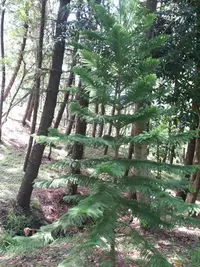
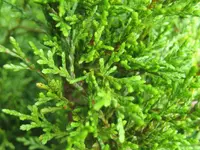
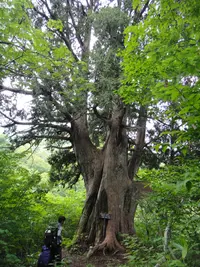
Boise araucaria (Araucaria nemorosa) is a rare, slow-growing conifer with a strong central trunk and regular whorls of stiff, scale-like leaves. It forms a narrow, upright crown that becomes more architectural with age, giving it a distinctive sculptural look.
This species is native to New Caledonia, where it grows in limited, specialized habitats, which contributes to its rarity in cultivation. It can be challenging outside mild, frost-free climates because it dislikes extreme cold, strong pollution, and compacted soils.
Gardeners who care for boise araucaria usually provide bright light, evenly moist but well-drained soil, and good air movement. Its slow growth and sensitivity to poor conditions demand consistent, attentive care from the grower.

Care Difficulty
Hard Care

Light Preference
Full Sun

Water Requirements
Moderate Water

Temperature Preference
Tropical / Frost Sensitive

Hardiness Zone
Unknown

Soil Texture
Sandy, Loamy, Organic-rich

Soil pH
Acidic (5.5–6.5)

Soil Drainage
Well-drained

Fertilization
Minimal (feed rarely)
Scan your plant to receive care tips personalized for your specific plant
Available on iOS and Android
This species prefers bright, gentle light with some protection from intense midday sun.
Araucaria nemorosa prefers evenly moist, well-drained soil without long dry or waterlogged periods.
This conifer favors mild, frost-free conditions with limited temperature extremes.
This species prefers moderately humid air and reacts if kept too dry for long periods.
Araucaria nemorosa benefits from a freely draining yet moisture-retentive, slightly acidic substrate.
This species can be grown in containers for many years if the pot supports its deepening root system and upright, often top-heavy form.
This species grows slowly and usually needs only light feeding in cultivation, especially when young or container-grown.
Araucaria nemorosa requires minimal pruning, mainly to maintain safety and remove failing growth.
This tree is usually grown in the ground, but young plants may spend several years in containers before planting out.
Araucaria nemorosa is usually propagated by seed and is considered slow and technically demanding for most home growers.
This species is not very frost tolerant and needs thoughtful winter care in regions with cold winters.

Plant Health Check
Not sure what's wrong with your plant? Check your plant's health inside the app.
This species is naturally confined to a very small area in the southern part of New Caledonia, where it grows on low-elevation ultramafic substrates that many other trees cannot tolerate due to high metal content and low fertility.
It is listed as Critically Endangered on the IUCN Red List because of its tiny, fragmented populations, continued habitat disturbance, and very limited regeneration in the wild.
Unlike several other araucarias that dominate open ridges or coastal cliffs, this species is mainly a component of dense, moist evergreen forests, often forming small, localized stands within a broader matrix of New Caledonian rainforest vegetation.
Genetic and biogeographic studies indicate that this New Caledonian conifer is part of an ancient Southern Hemisphere lineage, making it a living representative of Gondwanan floras that separated as continental plates drifted apart over tens of millions of years.
Growth is slow to moderate. Young trees may add 10–25 cm per year, sometimes less in containers. Good light, slightly acidic, well‑drained soil, and steady moisture help maximize growth rate without forcing weak, elongated shoots when growing boise araucaria.
Keep your plants happy and healthy with plant identification, disease detection, and easy care guidance.