Shelter From Wind
Site plants where taller shrubs, fences, or buildings break prevailing winds, since persistent strong wind can desiccate foliage and distort the naturally narrow crown.

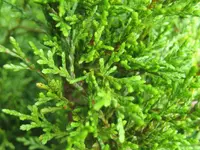
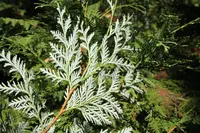
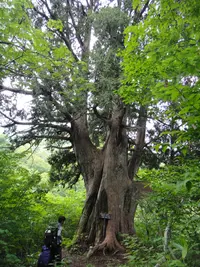
Libocedrus bidwillii, often called New Zealand cedar, is a slow-growing evergreen conifer with a narrow, upright form. It develops flat, scale-like foliage arranged in tidy, layered sprays.
In nature, it grows in cool, moist mountain forests of New Zealand, often in cloudy, high-rainfall areas. Its growth is generally steady but not fast, which helps in controlled garden settings.
The species prefers cool summers, consistent moisture, and well-drained, slightly acidic soil. Good airflow and protection from hot, drying winds make it easier to care for Cedar in temperate gardens.

Care Difficulty
Moderate Care

Light Preference
Partial Shade

Water Requirements
Moderate Water

Temperature Preference
Cold Hardy

Hardiness Zone
7–9

Soil Texture
Loamy, Sandy, Organic-rich

Soil pH
Acidic (5.5–6.5), Slightly acidic (6.5–7.0)

Soil Drainage
Moist but well-drained

Fertilization
Minimal (feed rarely)
Scan your plant to receive care tips personalized for your specific plant
Available on iOS and Android
Libocedrus bidwillii prefers cool, bright conditions with protection from harsh midday sun.
Libocedrus bidwillii needs consistently moist but not saturated soil, especially while establishing outdoors.
This species prefers cool, mild climates and tolerates significant cold once established.
This conifer prefers moderate, steady humidity but tolerates typical indoor air.
Libocedrus bidwillii needs moist, aerated, free-draining soil that does not stay waterlogged.
This species can be grown in containers for many years if moisture and stability are carefully managed.
Libocedrus bidwillii grows slowly and usually needs only light, infrequent feeding in average garden soil.
Libocedrus bidwillii benefits from minimal, careful pruning to maintain a natural, dense form.
This species is most often grown in the ground, so care focuses on careful transplanting rather than frequent repotting.
Libocedrus bidwillii is usually propagated by semi-hardwood cuttings or seeds, both of which require patience and stable conditions.
Established plants are generally cold hardy in suitable climates and need only modest winter care.

Plant Health Check
Not sure what's wrong with your plant? Check your plant's health inside the app.
This species occurs naturally only in New Zealand, where it is confined mainly to higher rainfall mountain forests of the North and South Islands. Its distribution is strongly tied to cool, moist climates and well-drained, often acidic soils.
The foliage forms flattened sprays of overlapping scale leaves, creating a compressed, fern-like texture that differs from the needle clusters of pines. These persistent, small leaves reduce water loss and suit the cool, misty environments where the tree grows.
In native forests, this tree provides structure and shelter for mosses, lichens, and epiphytic plants on its trunks and branches. Its dense crown also contributes to shading and moisture retention in the understory, shaping local forest microclimates.

The timber of this species was historically valued in New Zealand for its straight grain and durability, and was used locally for construction and joinery, but modern conservation efforts now emphasize protection of remaining natural stands rather than commercial use.
This species is naturally slow-growing, often adding only 10–20 cm of height per year in average garden conditions. Growth is faster in cool, moist, well-drained sites and slower in hot, dry, or compacted locations.
Keep your plants happy and healthy with plant identification, disease detection, and easy care guidance.