


Cedar Identification (Libocedrus bidwillii)

Recognize Libocedrus bidwillii by its flattened sprays of tiny scale leaves set in opposite pairs, creating four-ranked branchlets with sharp free tips. The branchlets are narrow and fanlike rather than feathery.

Also check the small woody cones, usually about 0.4 inch (1 cm) long, with a few thick scales held near the branch tips.

Libocedrus bidwillii Identification

Confirm What Plant You Have

Upload a clear photo to check your plant identification with Botan.

Clear images work best. Avoid photos taken too close or too far away

Check Libocedrus bidwillii for its tight, flattened branchlets and scale-like foliage.

  • Branchlets form fan-like sprays that hang slightly and look flattened rather than rounded.
  • Leaves are tiny overlapping scales, about 1/8 inch (3 mm) long, pressed tightly to the twigs.
  • Foliage sits in opposite pairs, making the branchlets look neatly four-sided.
  • Cones are small and upright, usually with 2 pairs of scales and a compact, oval shape.

Use the flat sprays and very small scale leaves as the quickest visual check.

Libocedrus bidwillii shows useful age-related shifts in foliage type, branching, and cone visibility.

  • Seedling: Early plants carry softer, more spreading leaves rather than the tightly appressed, scale-like adult sprays, giving a looser outline and less obviously flattened branchlets.
  • Juvenile plant: Juvenile growth keeps longer, freer leaf tips and more irregular branching, while shoots look less compressed into neat fanlike planes than later stages.
  • Mature plant: Mature plants form dense, flattened sprays of closely overlapping scale leaves on pendulous branchlets, with a narrowly conical to columnar crown reaching about 20-60 feet (6-18 m).
  • Fruiting stage: Cone-bearing branches show small, woody, erect cones near spray tips, adding distinct hard structures absent on younger sterile plants and making mature branchlets easier to confirm.

A few New Zealand conifers can be mistaken for Libocedrus bidwillii at a glance.

pink pine(Halocarpus biformis)

Both are compact alpine conifers with dense, scale-like foliage. Pink pine usually has stiffer, more prickly juvenile shoots and lacks the strongly flattened, fan-like sprays seen on mature branchlets.

mountain tōtara(Podocarpus cunninghamii)

It can resemble it in habit and fine-textured evergreen foliage. The quickest check is leaf form: mountain tōtara has narrow, pointed leaves arranged around the twig, not flat paired scales in distinct sprays.

Libocedrus bidwillii is native to New Zealand, mainly on both the North and South Islands. It is most often found in montane to subalpine forest and scrub, especially near the treeline. This setting helps with identification because it points to a cool, upland conifer rather than a lowland garden tree. It commonly occurs on exposed slopes, ridges, and forest margins, often in places with snow or frequent mist.

Confirm It from a Photo

Use Botan to identify or verify the plant in your photo, which helps reduce mix-ups before you label or buy it.

FAQ

This plant has flattened, fan-like sprays of scale leaves and small woody cones with a few paired scales. In Cedar identification, those paired cone scales help separate it from many cypresses and other conifers.

More Plant Identification Guides

Find the Plant. Get the Details.

Identify a plant from a photo with Botan, then review plant details, care information, and common problems.

Botan app identifying a plant from a photo
Plants That Repel Bugs – 20 Effective Options

12 min read · 16 Jul 2026

Plants That Repel Bugs – 20 Effective Options

Mosquitoes on the patio? Gnats in the kitchen? Some plants keep them away with the scent of their own leaves. Here are 20 that deal with mosquitoes, flies, aphids, and more, plus where to put them so they help.

Plant Recommendations

Plants That Repel Bugs – 20 Effective Options
Can Plants Grow With Artificial Light?

6 min read · 15 Sept 2026

Can Plants Grow With Artificial Light?

Plants can grow under artificial light when the setup provides a suitable spectrum, enough intensity, and sufficient daily exposure. This guide explains how artificial lighting compares with sunlight, which options work indoors, and how to match a setup to houseplants.

Plant Care
Can Plants Grow With Artificial Light?
How to Bottom Water Plants: Complete Guide

6 min read · 13 Jul 2026

How to Bottom Water Plants: Complete Guide

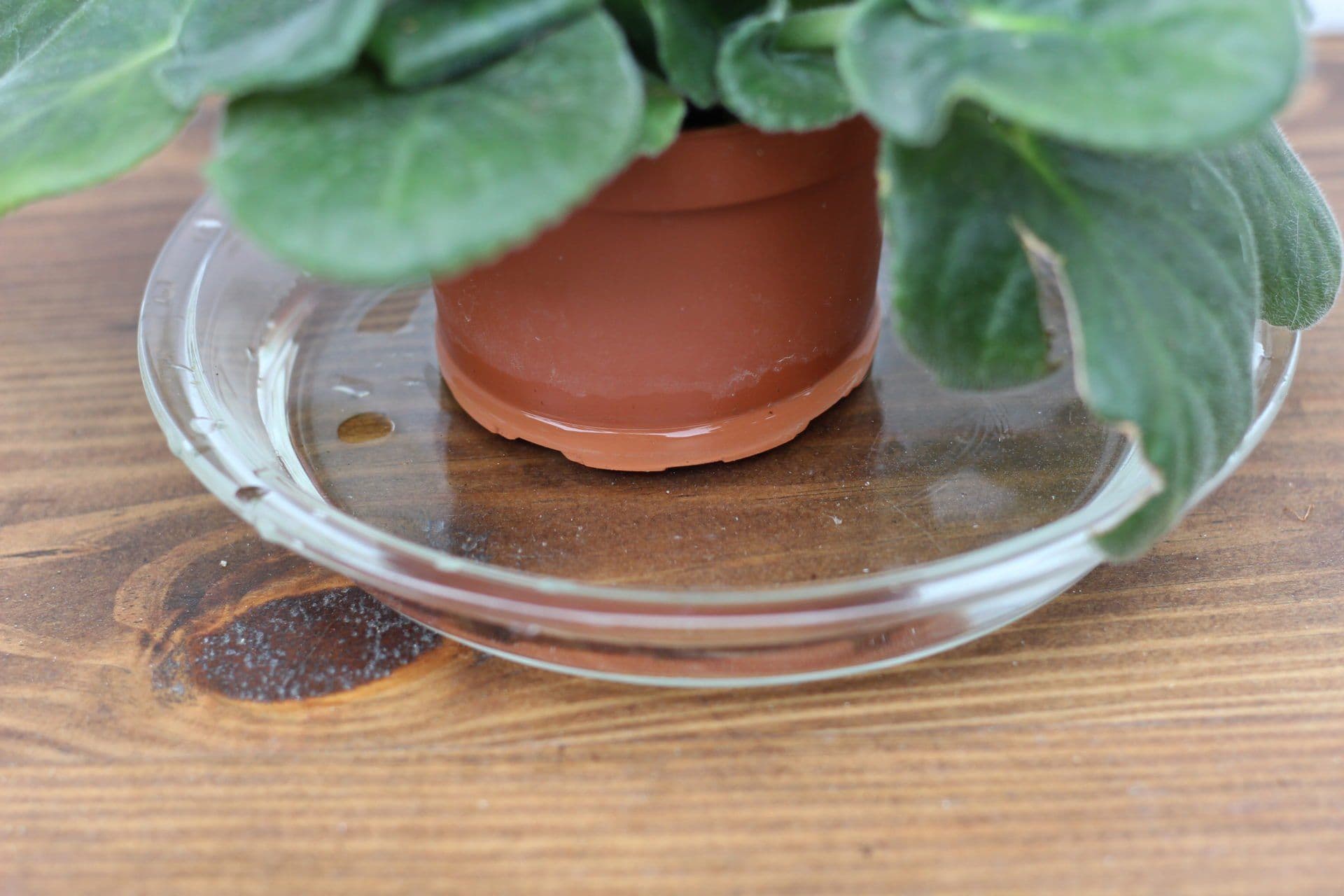
Bottom watering helps soil absorb moisture evenly and keeps foliage dry, reducing the risk of missed dry spots or root problems. Place the pot in a tray of water for a short time, then let it drain well.

Plant Care
How to Bottom Water Plants: Complete Guide