glassywood Care (Astronium graveolens)

Also known as: ronrón, aroeira
glassywood

About glassywood

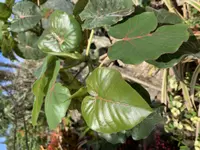
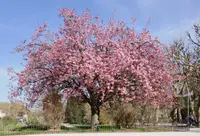
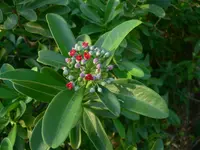
Glassywood, Astronium graveolens, is a long-lived tropical tree valued for its dense, decorative wood and fragrant resin. It naturally grows in seasonally dry forests of Central and South America. The tree develops a tall, straight trunk with a rounded crown and fine, divided leaves that give it a light, airy look. Its hard timber and resistance to decay make it important in forestry rather than as a common houseplant. For anyone looking into how to care for glassywood in cultivation, it favors warm climates, full sun, and well-drained soils, and it is best suited to outdoor planting in frost-free regions rather than indoor containers.

Main Plant Requirements

Care Difficulty

Moderate Care

Light Preference

Full Sun

Water Requirements

Moderate Water

Temperature Preference

Tropical / Frost Sensitive

Hardiness Zone

10–12

Soil Texture

Sandy, Loamy, Organic-rich

Soil pH

Acidic (5.5–6.5), Slightly acidic (6.5–7.0)

Soil Drainage

Well-drained

Fertilization

Minimal (feed rarely)

Get Personalized Care Plan

Scan your plant to receive care tips personalized for your specific plant

Available on iOS and Android

How to Care for the glassywood

Astronium graveolens thrives in bright, open conditions typical of dry tropical forests.

  • Provide 6–8 hours of direct sun daily; full sun is ideal once established, especially for young plantation trees.
  • Allow light partial shade during the hottest afternoon hours in very hot regions to reduce leaf scorch and water stress.
  • In the dry season, maintain full exposure to promote dense growth; in wetter, cloudy months, avoid heavy shade that leads to sparse branching.

This species prefers a dry to moderately moist regime and is sensitive to prolonged soil saturation.

  • In the establishment phase, water when the top 5–8 cm of soil are dry, then allow it to dry again before the next deep soak.
  • Use well-drained, sandy or loamy soil; standing water, sour smell, or blackened roots indicate overwatering stress.
  • Wilting at midday that recovers by evening, plus crisp leaf tips, suggests underwatering; increase watering depth rather than frequency during hot, dry periods.

This dry tropical tree prefers warm, stable temperatures and does not tolerate frost.

  • Optimal growth occurs around 70–90°F (21–32°C); young trees grow fastest at the lower end of this range with consistent moisture.
  • It tolerates brief dips near 45°F (7°C) but foliage and young tissue can be damaged close to 40°F (4°C) and below.
  • Heat up to 100°F (38°C) is usually tolerated if soil moisture is not extreme; combine full sun with good airflow to reduce heat stress during peak dry seasons.

This species handles a wide humidity range but benefits from slightly moist air in cultivation.

  • Target 40–60% humidity for stable growth of glassywood foliage and stems.
  • Tolerates typical dry indoor air but prolonged <30% humidity can cause leaf edge browning and tip dieback.
  • Increase humidity with grouped plants, a nearby tray of water and pebbles, or a room humidifier rather than misting leaves directly.

Astronium graveolens prefers a deep, well-structured mineral soil that drains freely yet retains some moisture.

  • Use a sandy or loamy mix with moderate organic matter to support root development without becoming compacted.
  • Aim for slightly acidic to neutral pH around 6.0–7.0 to keep nutrients available and roots active.
  • For pots or raised beds, combine 50–60% coarse sand or fine gravel with 30–40% loam and 10–20% compost for aeration and structure.
  • Avoid heavy clay, waterlogged sites, or peat-heavy mixes that stay wet for long periods and reduce oxygen around the roots.

This tree can be grown in large containers when young or maintained as a specimen in spacious tubs outdoors.

  • Select a deep, heavy container to counterbalance the developing woody canopy and reduce tipping in wind.
  • Choose thick-walled clay or concrete pots to moderate moisture swings and heat around the root zone.
  • Ensure generous drainage holes and elevate the container slightly so excess irrigation water clears quickly from the base.

Astronium graveolens grows best in moderately fertile, well-structured soil and needs only modest feeding.

  • Use a balanced, slow-release fertilizer (for example 10-10-10) or well-rotted compost at the start of the growing season.
  • Apply once each spring for in-ground trees; container specimens may benefit from a second light feeding in midsummer.
  • Dilute liquid fertilizers to 50% strength to avoid root burn, especially on young plants when caring for glassywood.
  • Stop feeding in late summer so growth can harden before cooler weather and winter dormancy.

Astronium graveolens responds well to light structural pruning that maintains a strong, open canopy.

  • Carry out main pruning in late winter or very early spring, before vigorous new growth begins.
  • Remove dead, diseased, crossing, or inward-growing branches to improve airflow and reduce pest and disease risk.
  • Thin crowded interior shoots to develop a stable framework and balanced crown shape over time.
  • Use clean, sharp bypass pruners or a pruning saw, making smooth cuts just outside the branch collar.

This species is usually grown as a landscape tree, so management focuses on careful transplanting of young plants.

  • Transplant in late winter or early spring when growth is slow and temperatures are mild.
  • Look for roots circling the container, slow vigor, or the root ball drying out quickly as signs it has outgrown its pot.
  • Shift to a larger hole or container only 1–2 sizes bigger, using well-drained soil to limit waterlogging stress.
  • Handle the root ball gently, loosen only lightly matted roots, water thoroughly after planting, and shade briefly in very hot, dry weather.

Astronium graveolens is most often propagated from seeds rather than vegetative methods.

  • Collect mature seeds from healthy trees and sow in late spring to early summer when temperatures are warm.
  • Scarify hard seed coats lightly with sandpaper and soak 12–24 hours to improve germination.
  • Use a sterile, well-drained seed mix, keep it evenly moist, and maintain warmth around 70–80°F.
  • Provide bright, indirect light and good air movement, then transplant seedlings once roots hold the mix and true leaves appear.

This is a warmth-loving species that does poorly in areas with significant frost and needs clear winter planning.

  • In mild, frost-free climates, established trees usually require no special winter care beyond normal mulching.
  • In regions with occasional light frost, apply a 5–8 cm organic mulch layer around the root zone, keeping it away from the trunk.
  • Young or container-grown plants in cooler climates should be grown in large pots and moved indoors or into a greenhouse before temperatures near 40°F.

Care Tips

Establish strong leader

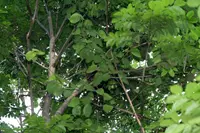
During the first 3–5 years, select one straight central stem and remove competing uprights at the base to develop a single strong trunk that will better support the heavy hardwood crown long term.

Wind-firm staking

In exposed sites, use 2–3 low, flexible stakes and loose tree ties for the first 1–2 years to limit root rock while still allowing slight movement that encourages a deeper, more stable root system.

Dry-season mulching

Before the dry season, apply a 5–8 cm ring of coarse organic mulch, keeping it 8–10 cm away from the trunk, to buffer soil temperature, reduce cracking of dry soil, and stabilize moisture around the root zone when growing glassywood.

Targeted root pruning

If the tree is intended for later transplanting, lightly root prune one side of the root ball 8–10 months before moving, then the opposite side 4–6 months later, to stimulate dense fibrous roots that relocate with less stress.

Trunk and branch inspection

Inspect the trunk and main scaffold branches at least twice a year for borer entry holes, cankers, and bark damage, removing affected twigs and disinfecting tools with 70% alcohol between cuts to limit the spread of wood-boring insects and fungal pathogens.

Common Pests and Diseases

Shoot borers

This pest attacks young shoots and stem tips, boring into the wood and causing dieback of new growth. Symptoms include wilted or drying terminals, frass (sawdust-like material), and hollowed stems.

Solution

Prune and destroy affected shoots as soon as damage is noticed to remove larvae from the plant. Encourage natural predators, avoid water stress that makes trees more attractive to borers, and in plantation or timber settings consider targeted pheromone or contact insecticide treatments directed at the trunk and young stems during peak borer flight periods.

Leaf-cutting ants

These insects remove circular or irregular leaf pieces and carry them away, often defoliating young plants and seedlings. Symptoms include rapid loss of foliage and visible foraging trails leading to nests.

Solution

Locate and treat ant nests with appropriate ant baits or localized insecticidal treatments, following label directions carefully. For young trees, use physical barriers around the trunk, maintain vegetation-free strips that disrupt trails, and monitor regularly so defoliation is detected early, especially in dry seasons when leaf-cutting ant activity increases.

Anthracnose

This disease causes dark, sunken leaf spots, blight of young tissues, and sometimes small stem cankers under warm, humid conditions. Symptoms include distorted new leaves, premature leaf drop, and irregular necrotic patches along veins.

Solution

Remove and destroy heavily infected leaves and twigs to reduce the source of spores, and avoid overhead irrigation that keeps foliage wet. Improve spacing and airflow around plants, and where anthracnose is persistent in plantations, apply a preventive copper- or strobilurin-based fungicide at the start of humid periods according to professional forestry guidance.

Powdery mildew

This disease produces white, powdery fungal growth on young leaves and shoots, which can lead to yellowing and reduced growth in nursery plants or young trees. Symptoms include a dusty coating on the leaf surface and occasional leaf curling or distortion.

Solution

Increase light and airflow, avoid overcrowding in nurseries, and water at the soil level rather than over the foliage. Remove heavily infected leaves and, if needed in young stock or high-value specimens, apply a sulfur or potassium bicarbonate fungicide labeled for powdery mildew, following all safety and timing directions as part of broader Astronium graveolens care instructions.

Interesting Facts

Resin with strong scent

The trunk exudes a fragrant resin with a notable smell, which is the reason for the species epithet graveolens, meaning strong smelling. This resin helps protect wounded tissues from pathogens and insects.

Heavy, durable timber

Its wood is very dense and mechanically strong, so it is used in its native range for heavy construction, flooring, and other high-wear applications. The heartwood also shows good natural resistance to decay in many tropical environments.

Role in dry forests

This species is native to seasonally dry tropical forests from Central to South America, where it helps form the upper canopy. Its deep root system allows it to withstand pronounced dry seasons and stabilize degraded or eroding soils.

Botan icon

Did you know?

Pollen studies and fossil wood records indicate that the genus Astronium, including relatives of Astronium graveolens, has been present in Neotropical forests since at least the Miocene, making it part of an ancient South and Central American tree lineage that has persisted through major climatic shifts.

FAQs about glassywood

This species is naturally a medium to fast-growing tree in warm climates, often adding 30–90 cm per year when young. In favorable conditions it can eventually reach 10–20 m tall with a broad canopy.

Grow Healthy Plants with Botan Care

Keep your plants happy and healthy with plant identification, disease detection, and easy care guidance.

Botan plant care app — identify plants on mobile

Explore More Plants