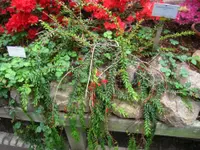
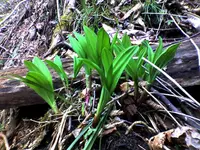
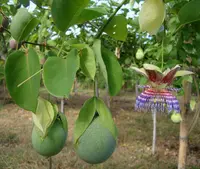
Japanese fig Care (Ficus erecta)

Japanese fig

About Japanese fig

Japanese fig, Ficus erecta, is a deciduous shrub or small tree from East Asia, especially Japan, Korea, and parts of China. It is related to the common fig but has a more upright, fine-branched habit.

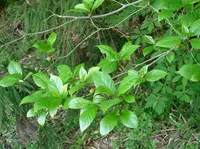
Leaves are small, oval, and neatly arranged, giving the plant a refined, architectural look that suits garden use and trained forms. Small figs may form, though they are not the main ornamental feature.

This species prefers bright light, moderate moisture, and well-drained soil, and it tolerates pruning quite well. Overall, it is a manageable plant for growers who learn how to care for Japanese fig and provide stable outdoor conditions in mild climates.

Main Plant Requirements

Care Difficulty

Moderate Care

Light Preference

Partial Sun

Water Requirements

Moderate Water

Temperature Preference

Warm Climate

Hardiness Zone

7–9

Soil Texture

Loamy, Sandy, Organic-rich

Soil pH

Acidic (5.5–6.5), Slightly acidic (6.5–7.0)

Soil Drainage

Well-drained

Fertilization

Minimal (feed rarely)

Get Personalized Care Plan

Scan your plant to receive care tips personalized for your specific plant

Available on iOS and Android

How to Care for the Japanese fig

Ficus erecta prefers bright, indirect light and adapts to a range of outdoor exposures if extremes are avoided.

  • Provide 4–6 hours of morning sun with light afternoon shade, or bright dappled light under taller trees or structures.
  • Tolerates partial shade but growth becomes looser and fruiting may drop if light falls below roughly 3–4 hours of sun.
  • Protect Japanese fig from intense midday summer sun, which can scorch leaves; in winter, maximize exposure by avoiding dense shade.

This species prefers evenly moist, well-drained soil and reacts clearly to both drought and excess water.

  • Water when the top 3–5 cm of soil feel dry, applying enough to moisten the root zone but not leave standing water.
  • Use soil with good drainage; prolonged puddling, sour smell, yellowing leaves, or blackened roots indicate overwatering and poor aeration.
  • In spring–summer, expect more frequent watering during active growth; in cooler months, allow slightly deeper drying and watch for dull, drooping leaves as a sign to water.

This fig favors mild, frost-free conditions with moderate seasonal variation.

  • Aim for 65–80°F (18–27°C) during the growing season for steady shoot and root development.
  • Tolerates brief drops to about 28–30°F (-2 to -1°C), but repeated freezes damage young wood, buds, and fine roots.
  • Handles short hot spells up to 90–95°F (32–35°C) if soil moisture is stable; in heat or cold snaps, mulch the root zone and avoid drastic pruning.

This species grows well in moderate room humidity but benefits from slightly boosted levels in dry homes.

  • Aim for 40–60% humidity for stable foliage and growth when caring for Japanese fig.
  • It tolerates short periods of drier air, but prolonged levels below 30% can cause leaf-edge browning and tip dieback.
  • Increase humidity by grouping plants, placing the pot on a pebble tray with water below the pot base, or running a nearby humidifier.

Ficus erecta prefers a loose, well-drained but moisture-retentive substrate that allows air to reach the roots.

  • Use a mix of roughly 50–60% peat or coco coir with compost, 20–30% perlite or pumice, and 10–20% fine bark for structure.
  • Aim for slightly acidic to neutral pH, about 6.0–7.0, which supports nutrient availability and healthy root function.
  • Ensure the mix drains freely so water runs through in seconds, preventing waterlogged conditions that promote root rot.
  • Improve aeration by avoiding compaction, using chunky components like bark, and discarding any heavy, clay-based garden soil.

This species is suitable for container growing if the pot provides stable support and controlled moisture.

  • Choose a relatively deep, wide container to accommodate its woody root system and reduce the risk of tipping in wind.
  • Use a heavier material like ceramic or thick terracotta outdoors to improve stability for the upright branching canopy.
  • Leave a clear gap between soil surface and rim so overhead watering does not overflow and can drain away quickly.

Ficus erecta benefits from light, targeted feeding rather than heavy fertilization.

  • Use a balanced liquid fertilizer (around 10-10-10) at half strength every 4–6 weeks during spring and summer active growth.
  • Alternatively, apply a thin layer of compost or a slow-release granular fertilizer at the start of the growing season.
  • Stop feeding in late fall and winter when growth slows or stops to avoid weak, elongated shoots.
  • Ensure soil is moist before applying fertilizer to reduce root burn and improve nutrient uptake for caring for Japanese fig.

Pruning Ficus erecta helps maintain a stable framework and manageable size.

  • Carry out structural pruning in late winter or very early spring before vigorous new growth begins.
  • Remove dead, diseased, rubbing, or inward-growing branches first to improve airflow and light penetration.
  • Shorten or thin crowded shoots to control height and spread while keeping a natural outline.
  • Use clean, sharp bypass pruners, making angled cuts just above a bud or branch junction to aid healing.

Ficus erecta in containers or young landscape specimens benefit from thoughtful transplanting to reduce stress.

  • Look for roots circling the pot, escaping drainage holes, or noticeably slowed growth as signs a container plant needs more space.
  • Plan repotting or transplanting for early spring, just before strong growth, roughly every 2–3 years for potted plants.
  • Move to a container only 1–2 sizes larger, using a well-drained mix; gently loosen circling roots without tearing them heavily.
  • Water thoroughly after moving, provide light shade for 1–2 weeks, and avoid heavy pruning at the same time to limit shock.

Ficus erecta is commonly propagated from semi-hardwood cuttings or seed under controlled conditions.

  • Take semi-hardwood stem cuttings in late spring to midsummer, 10–15 cm long, with 2–3 leaf nodes.
  • Remove lower leaves, dip the cut base in rooting hormone, and place in a sterile, well-drained medium such as perlite and peat.
  • Maintain 70–80°F, high humidity, and bright, indirect light until roots form, usually over several weeks.
  • Sow fresh seed in warm, evenly moist, free-draining soil and keep surface just damp, not waterlogged, to avoid rot.

This species is moderately cold tolerant but young Ficus erecta benefit from basic winter protection in cooler regions.

  • In the ground, apply 5–8 cm of organic mulch around the root zone, keeping it slightly away from the trunk base.
  • In areas with hard frost, wrap young trunks with breathable horticultural fleece or burlap to limit bark damage.
  • Move container-grown plants indoors or into a sheltered, frost-free space when temperatures approach the lower tolerance range for the plant.

Care Tips

Root restriction strategy

Use a slightly snug pot or install a shallow root barrier in the ground to gently restrict roots, which helps keep the plant compact and encourages earlier fruiting compared with very loose, deep soil volumes.

Structured branch training

Select 3–5 main scaffold branches and gently tie them to a more horizontal angle (45–60°) using soft ties, as this branching pattern improves light distribution and can increase flowering and fruit set.

Calcium for clean fruit

If fruits tend to crack, apply a balanced fertilizer that includes calcium and keep soil moisture steady during fruit expansion, which helps maintain consistent skin growth and reduces splitting.

Targeted scale monitoring

Inspect the undersides of leaves and older woody stems every 2–3 weeks for scale insects, and at first sign use a cotton swab dipped in isopropyl alcohol or a labeled horticultural oil spray before populations expand.

Gradual outdoor acclimation

When moving container plants outdoors for summer, increase light and wind exposure over 7–10 days in small steps to reduce leaf scorch and stress, which is particularly useful when growing Japanese fig in bright conditions.

Common Pests and Diseases

Fig mosaic virus

This disease causes mottled, deformed leaves and overall reduced vigor, especially on grafted or orchard-grown plants. Symptoms include yellow mottling, ring patterns, and distorted new growth.

Solution

Remove and destroy heavily affected branches, and avoid propagating from symptomatic plants. Control sap‑sucking insects such as mites and leafhoppers that can spread the virus, and source new Ficus erecta plants and rootstocks only from certified clean nurseries.

Fig rust

This disease produces small yellow spots on the upper leaf surface that turn brown, while the underside develops orange to brown spore pustules. Symptoms include premature leaf drop, especially in warm, humid climates.

Solution

Prune to open the canopy and improve airflow, and avoid wetting foliage when irrigating. Remove and discard fallen leaves, and apply a targeted copper‑based or sulfur fungicide during periods of warm, humid weather if the plant has a history of rust issues.

Scale insects

These insects attach firmly to stems and leaf undersides, sucking sap and causing yellowing, stunted growth, and sticky honeydew deposits. This pest is common on woody figs grown as ornamentals or bonsai.

Solution

Wipe stems and leaves with a cloth or cotton pad dipped in diluted alcohol or insecticidal soap to remove visible scales. For heavier infestations, combine repeated manual removal with horticultural oil sprays, ensuring complete coverage of stems and branch crotches while monitoring new growth closely as part of ongoing Ficus erecta plant care.

Spider mites

These pests thrive in hot, dry conditions, causing fine stippling, dull leaves, and delicate webbing on branch tips and leaf undersides. Symptoms include gradual leaf yellowing and drop if populations build up.

Solution

Rinse foliage thoroughly with a strong but gentle stream of water, focusing on leaf undersides, and repeat every few days to disrupt the population. Increase humidity around the plant, reduce heat stress, and use insecticidal soap or horticultural oil specifically labeled for mites if washing alone does not control the problem.

Root‑knot nematodes

These microscopic worms attack roots in the ground, causing swollen galls, reduced root function, and overall decline, especially in sandy or previously infested soils. Symptoms include poor growth, leaf yellowing, and reduced fruit or seed production despite adequate care.

Solution

Avoid planting in known infested soil and use resistant or tolerant rootstocks when establishing orchard or landscape figs. Improve soil organic matter, rotate with non‑host cover crops, and remove and destroy severely affected plants rather than reusing the same planting hole for another fig.

Interesting Facts

Native East Asian range

This species is native to Japan, Korea, Taiwan, and parts of coastal China, where it naturally occurs in thickets, forest edges, and open hillsides rather than dense forest interior.

Host for gall wasps

In its native range the tree hosts specific fig wasps that induce small galls, which are abnormal tissue growths, on young shoots and leaves, illustrating a tightly coevolved plant–insect relationship.

Parent of hybrid rootstocks

Breeders have used this species in hybridization with common fig to create rootstocks that show improved tolerance to fig mosaic virus and certain soil-borne problems, which supports more resilient fig production.

Botan icon

Did you know?

Botanists studying fig evolution consider this species part of an early-diverging lineage within the fig subgenus Ficus, so its morphology and genetics help reconstruct how modern edible and ornamental figs have diversified over time.

FAQs about Japanese fig

Growth is generally moderate. In good outdoor conditions, it may extend 20–40 cm per year, slowing as the framework thickens. Container plants grow more slowly, especially if rootbound or underfertilized, or when kept in cooler conditions.

Grow Healthy Plants with Botan Care

Keep your plants happy and healthy with plant identification, disease detection, and easy care guidance.


Botan plant care app — identify plants on mobile

Explore More Plants