carpet daisy Care (Dymondia margaretae)

carpet daisy

About carpet daisy

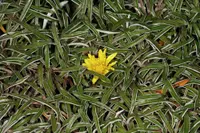
Carpet daisy, Dymondia margaretae, is a low-growing perennial groundcover valued for its dense, mat-forming habit. It is often used between pavers or in small sunny spaces. The narrow gray-green leaves have silvery undersides, creating a subtle two-tone effect, and small yellow daisy-like flowers appear in warm seasons. Native to coastal South Africa, it is adapted to bright light, good drainage, and periods of drought. This makes it useful in water-wise gardens and places with light foot traffic. It helps to understand how to care for carpet daisy before planting large areas, as it dislikes heavy, soggy soils and deep shade.

Main Plant Requirements

Care Difficulty

Easy Care

Light Preference

Full Sun

Water Requirements

Low Water

Temperature Preference

Warm Climate

Hardiness Zone

9–11

Soil Texture

Sandy, Loamy, Rocky

Soil pH

Slightly acidic (6.5–7.0), Slightly alkaline (7.0–7.5)

Soil Drainage

Well-drained

Fertilization

Minimal (feed rarely)

Get Personalized Care Plan

Scan your plant to receive care tips personalized for your specific plant

Available on iOS and Android

How to Care for the carpet daisy

This low-growing groundcover needs ample sun to stay dense and form a tight mat.

  • Provide 6–8 hours of direct sun daily; full sun promotes compact growth and bright leaf variegation in carpet daisy.
  • Tolerates light afternoon shade, especially in hotter regions, but too much shade leads to thinning, elongated shoots, and patchy coverage.
  • In summer, young or newly planted Dymondia margaretae benefits from filtered afternoon light to reduce scorch on fresh foliage and ease establishment.

This drought-tolerant groundcover prefers infrequent, deep watering once established.

  • Allow the top 3–5 cm of soil to dry before watering; foliage that lies flat and dull, with leaves curling slightly, often signals it is time to water.
  • Use sharply drained, sandy or loamy soil so water runs through quickly; soggy soil and yellowing, mushy crowns indicate overwatering and root decline.
  • In the first growing season, water more often during hot, dry spells, then reduce frequency as Dymondia margaretae roots deepen and spread laterally.

This plant prefers mild, coastal-type climates without temperature extremes.

  • Best growth occurs around 60–80°F (16–27°C), where foliage stays dense, silver-green, and closely pressed to the soil surface.
  • Tolerates brief drops to about 25°F (-4°C), but repeated hard frosts may burn leaves; foliage usually recovers when warmer spring temperatures return.
  • Handles summer heat up to about 95°F (35°C) if soil drains well; in very hot inland sites, combine heat with some afternoon shade and occasional deep watering to prevent stress.

This species is adapted to dry, coastal-like air and rarely needs special humidity management.

This groundcover prefers very fast-draining, sandy soil that never stays waterlogged.

  • Use a sandy or sandy-loam mix with at least 50–70% coarse sand or fine grit to mimic its natural habitat.
  • Aim for slightly acidic to neutral pH around 6.0–7.0, avoiding strongly acidic or alkaline conditions.
  • Blend in a small amount of compost (10–20%) to provide nutrients without making the mix heavy or soggy.
  • Improve aeration and drainage in heavy native soil by incorporating coarse sand and fine gravel before planting Dymondia margaretae.

This species is suitable for shallow, wide containers, especially for patios or step-stone gaps.

  • Choose a broad, low pot to match its mat-forming habit and allow lateral spread rather than deep rooting.
  • Select a porous material such as unglazed terracotta if the mix retains moisture too long, to help excess water evaporate.
  • Elevate the container slightly on pot feet or bricks so drainage holes stay clear and runoff moves away quickly, preventing crown rot in this carpet daisy.

Dymondia margaretae is light‑feeding and usually needs only modest nutrition in the ground.

  • Use a balanced, slow‑release granular fertilizer (for example 10‑10‑10) in spring for container or poor‑soil plantings.
  • Apply once at the start of the main growing season; avoid repeated feeding in fertile garden soil.
  • Dilute liquid feeds to 1⁄4–1⁄2 strength for potted carpet daisy, and water beforehand to prevent root burn.
  • Skip or greatly reduce fertilization in winter or any dormant, cool, low‑light period.

Pruning Dymondia margaretae is minimal and mainly helps maintain a dense, even groundcover.

  • Best time is late winter to early spring, before strong new growth starts.
  • Shear lightly with clean hand shears or scissors to level uneven or patchy areas.
  • Remove dead, damaged, or thinning patches to encourage fresh, tighter foliage mats.
  • Use pruning to keep edges from spilling over paths or paving stones if a crisp outline is desired.

This plant is most often used as a groundcover, so transplanting is more common than true repotting.

  • Transplant in spring or early summer when soil is warming and growth is active.
  • Move or divide clumps if growth stalls, centers thin out, or roots circle inside a shallow tray or pot.
  • Typically shift or divide every 3–5 years to refresh crowded mats and improve vigor.
  • Lift sections with a wide trowel, keep root pads intact, replant at the same depth, and water gently to reduce stress.

Dymondia margaretae is commonly propagated to expand groundcover plantings or fill gaps.

  • Division in spring or early summer is the most reliable method for home growers.
  • Lift mats and cut them into small sections, each with healthy roots and several shoots.
  • Replant divisions into loose, well‑drained soil, then water thoroughly and keep slightly moist until established.
  • Tip cuttings can root in a sandy mix under bright, indirect light and moderate humidity.

In mild climates, this species is fairly tolerant of cool weather and usually needs only limited winter attention.

  • Dymondia margaretae handles light frosts but may suffer leaf scorch in prolonged freezes below about 25°F.
  • Apply a thin, dry mulch around the root zone in exposed sites, keeping it off the foliage.
  • In colder regions, grow in shallow containers and move to a bright, frost‑free area for winter.

Care Tips

Edge Containment

Install a shallow plastic or metal edging 5–8 cm deep around beds or paths before planting to keep this spreading groundcover from creeping into lawns or adjacent borders.

Traffic Pattern Planning

Concentrate stepping stones or pavers in high-traffic lines and allow the plant to knit between them, which reduces compaction and root damage while still creating a walkable surface.

Weed Suppression Timing

Hand-weed thoroughly during the first 3–6 months while the mat is closing, because early removal of seedlings prevents future weeds from establishing under the dense foliage.

Salt and Splash Management

In areas exposed to road or pool splash, periodically hose the foliage to rinse off salt or chlorine, which helps avoid leaf burn and bare patches over time.

Patch Repair Technique

To repair thin or bare spots, lift and divide plugs from a dense area, replant them 10–15 cm apart in the gap, and keep those plugs slightly moister than usual for 2–3 weeks to speed up growing carpet daisy into a closed mat.

Common Pests and Diseases

Snout beetle grubs

Symptoms include irregular dead or sunken patches where plants lift easily from the soil, with C‑shaped white grubs feeding on the roots. This pest is more common when Dymondia is used as a lawn replacement in sandy or coastal soils.

Solution

Lift affected patches to confirm grubs, then hand-pick where infestations are light or apply a targeted soil insecticide or beneficial nematodes according to label directions. Encourage deep, less frequent watering and maintain a healthy, dense mat, as vigorous growth tolerates limited root feeding better than stressed plants.

Leaf-chewing caterpillars

These insects create ragged holes and thinning areas in the foliage, sometimes leaving small dark droppings on the mat surface. Damage often appears in localized patches rather than across the whole planting.

Solution

Inspect at dusk or early morning and hand-pick caterpillars where possible. For heavier damage, use a biological control such as Bacillus thuringiensis (Bt) directed at the foliage, and reduce nearby weeds that can host caterpillar larvae, which supports long-term Dymondia margaretae care.

Crown and root nematodes

Symptoms include poor spreading, patchy thinning, and stunted growth even when light, water, and nutrients are adequate. This pest is more likely in sandy, repeatedly planted groundcover beds or former turf areas with a history of nematode problems.

Solution

There is no simple home treatment, so focus on cultural management: improve soil organic matter with compost before planting, avoid overwatering, and allow the soil surface to dry between irrigations. In severe cases, replanting into raised beds or non-infested soil and rotating with non-host plants can gradually reduce nematode pressure.

Leaf spot

This disease causes small brown or gray lesions on individual leaves, sometimes with a darker edge, leading to a thin or patchy appearance when spots become numerous. Symptoms include leaves that dry and die back early, especially in humid or overhead-irrigated plantings.

Solution

Remove and discard the worst-affected patches to reduce spore levels, then adjust irrigation to water early in the day and keep foliage as dry as possible. Improve air movement, thin overly dense edges if needed, and in persistent cases use a labeled ornamental groundcover fungicide as a spot treatment on infected areas only.

Powdery mildew

This disease appears as a fine white or light gray coating on the narrow leaves, giving patches a dull or dusty look. Symptoms include slow spread, reduced vigor, and occasional leaf yellowing where coverage is heaviest, especially in shaded or poorly ventilated sites.

Solution

Increase sun exposure where possible, reduce overcrowding at the edges, and avoid frequent light watering that keeps the canopy humid. Remove badly affected sections and, if needed, apply a low-impact fungicide such as a horticultural oil or potassium bicarbonate product, following label instructions and testing on a small area first.

Interesting Facts

Natural leaf variegation

This species forms narrow gray-green leaves with clean white margins, creating a natural variegated look without being a true variegated cultivar. The pale leaf undersides and white edging help reflect intense sunlight in its native coastal habitat in South Africa.

Living ground cover

Plants grow as a very low, dense mat only a few centimeters tall, knitting together into a firm, turf-like layer. In mild climates this mat tolerates light foot traffic and small gaps between stepping stones better than many other ornamental ground covers.

Salt and drought adapted

In its native range near the South African coast, this species is adapted to sandy, fast-draining soils and periodic summer drought. It also shows notable tolerance to soil salinity and reflected heat, which is one reason Dymondia margaretae care is often recommended for hot, dry coastal gardens.

Botan icon

Did you know?

In its natural habitat in the Western Cape of South Africa, this plant often grows in open sandy flats where few other broadleaf species can compete, helping stabilize loose coastal soils and creating small microhabitats for insects and other low-growing plants.

FAQs about carpet daisy

This species spreads slowly to moderately by short runners, forming dense mats over time without invading surrounding beds. It usually stays where planted, making it suitable between pavers or in defined lawn-replacement areas without becoming difficult to manage.

Grow Healthy Plants with Botan Care

Keep your plants happy and healthy with plant identification, disease detection, and easy care guidance.

Botan plant care app — identify plants on mobile

Explore More Plants