pale laelia Care (Laelia rubescens)

pale laelia

About pale laelia

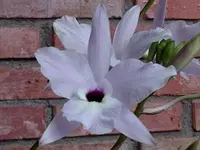
Pale laelia, Laelia rubescens, is a small to medium epiphytic orchid that typically grows on trees in warm, seasonally dry forests from Mexico to Central America. It forms clumps of slender pseudobulbs topped with narrow leaves and produces arching spikes of soft pink to pale lilac flowers in winter or early spring.

This species prefers bright light, good air movement, and a quick-drying orchid medium, reflecting its life in the tree canopy. It is considered moderately easy for growers who can provide stable warmth, regular but not excessive moisture, and a clear dry-rest period, which is essential to care for pale laelia.

Main Plant Requirements

Care Difficulty

Moderate Care

Light Preference

Partial Sun

Water Requirements

Moderate Water

Temperature Preference

Tropical / Frost Sensitive

Hardiness Zone

11–12

Soil Texture

Sandy, Rocky, Organic-rich

Soil pH

Acidic (5.5–6.5)

Soil Drainage

Well-drained

Fertilization

Light (every 4–6 weeks)

Get Personalized Care Plan

Scan your plant to receive care tips personalized for your specific plant

Available on iOS and Android

How to Care for the pale laelia

This epiphytic orchid thrives in bright, filtered light that mimics high tree canopies.

  • Provide 4–6 hours of bright, indirect light daily, such as east exposure with gentle morning sun and dappled shade by midday.
  • Tolerates light shade, but very deep shade leads to weak, stretched growth and fewer blooms in pale laelia.
  • Avoid harsh midday and late-afternoon sun; leaves turning yellow, leathery, or showing brown patches indicate excessive light and require more filtering or distance from the sun source.

This orchid prefers thorough watering followed by a clear drying period around the roots.

  • Water when roots and medium are nearly dry, allowing the top 2–3 cm of bark or coarse mix to dry before the next soak.
  • In warm active growth, watering may be needed every few days; in cooler or shorter-day periods, extend intervals and rely on root color and weight of the mount or pot as guides.
  • Roots staying constantly wet, sour smell, or blackened bases signal overwatering, while wrinkled pseudobulbs and dull, shriveled roots indicate underwatering in Laelia rubescens.

This species prefers intermediate to warm conditions with a modest day–night temperature drop.

  • Aim for 65–80°F (18–27°C) by day and 55–65°F (13–18°C) at night for steady growth and flowering.
  • Short dips to about 45–50°F (7–10°C) are tolerated if dry, but repeated exposure slows growth and increases rot risk.
  • Protect from frost below 32°F (0°C) and from extreme heat above 95°F (35°C); in hot spells, increase air movement and shade to prevent leaf stress and bud blast.

This orchid prefers moderately humid air but copes with typical indoor levels if extremes are avoided.

  • Aim for 50–70% humidity, as very dry air below ~40% causes leaf tip browning and shriveled pseudobulbs in pale laelia.
  • Provide a humidity tray with water and pebbles under (not touching) the pot to raise local humidity around the plant.
  • Increase room humidity with a small cool-mist humidifier and improve air movement with a gentle fan to prevent fungal issues.

This epiphytic orchid needs a very open, fast-draining medium rather than regular garden soil.

  • Use a chunky orchid mix based on medium to large bark, with optional additions of perlite and a little charcoal for structure and aeration.
  • Ensure the medium drains completely within seconds after watering and never holds waterlogged, compacted pockets around the roots.
  • Keep pH slightly acidic to neutral (about 5.5–7.0), which suits Laelia rubescens and supports nutrient uptake without root irritation.
  • Avoid dense peat, standard potting soil, or fine coco coir alone, which reduce airflow and promote root rot in this species.

This species is well suited to container culture when the pot and medium support fast drainage and strong aeration.

  • Choose a relatively snug pot so roots can grip the container, which stabilizes upright growth and reduces wobbling of new pseudobulbs.
  • Use slotted or net-style orchid pots to enhance lateral airflow through the medium and speed surface drying after watering.
  • Select heavier clay or ceramic containers outdoors to counterbalance tall flowering spikes and reduce the risk of the pot tipping over in wind.

Laelia rubescens benefits from modest, steady feeding to support flowering without overloading the roots.

  • Use a balanced NPK orchid fertilizer at 1/4–1/2 strength, formulated for epiphytes rather than heavy feeders.
  • Apply every 2–3 weeks during active growth in spring and summer for healthy canes and consistent blooms when caring for pale laelia.
  • Reduce feeding to once a month or stop entirely in fall and winter when growth slows.
  • Flush the potting medium with plain water monthly to prevent fertilizer salt buildup around the roots.

Pruning Laelia rubescens focuses on hygiene and managing spent growth rather than shaping.

  • Best timing is after flowering, when new growths are visible and easier to avoid cutting.
  • Remove dead, yellowed, or damaged leaves and spent flower spikes with clean, sharp scissors or pruning snips.
  • Cut old, shriveled pseudobulbs at the base only after new pseudobulbs are mature and carrying foliage.
  • Light pruning improves air circulation, reduces disease risk, and directs energy to vigorous growth and future blooms.

Laelia rubescens prefers infrequent repotting and responds best when handled gently.

  • Plan to repot every 2–3 years or when roots circle the pot, growth slows, or the bark mix breaks down.
  • Repot in late winter to early spring, just as new roots emerge, to support quick re-establishment.
  • Gently remove old medium, trim dead roots, and set the rhizome slightly above fresh, coarse orchid bark.
  • Water lightly for the first 1–2 weeks, keep humidity moderate, and shade slightly to reduce transplant stress.

Laelia rubescens is most reliably propagated by division of mature clumps.

  • Carry out division in late winter or early spring, just before active root growth begins.
  • Unpot the plant and divide the rhizome so each section has at least 3–4 healthy pseudobulbs and active eyes.
  • Use a sterile knife or shears, then dust cut surfaces with fungicidal powder or ground cinnamon.
  • Plant divisions in fresh orchid bark, keep warm and bright with gentle air movement, and water sparingly until new roots appear.

Laelia rubescens is not frost hardy and requires protective winter care in temperate climates.

  • Move container plants indoors before temperatures drop below 50°F, using a bright, cool room with good airflow.
  • Maintain a winter minimum of 55–60°F, avoiding drafts and cold windowsills that chill the roots.
  • Keep the medium slightly drier in winter, but do not allow pseudobulbs to shrivel severely.
  • In mild climates, grow mounted or in baskets under cover, sheltered from cold rain and radiative night cooling.

Care Tips

Optimize mount choice

Use cork bark or hardwood mounts rather than soft wood so roots can grip securely and you can allow stronger air movement around the plant without stressing it.

Seasonal rest adjustment

From late fall to early spring, gradually reduce watering volume and frequency instead of stopping suddenly, which helps this species enter its drier rest period without root shock.

Targeted root inspection

Every 6–12 months, unclip or loosen the mount or basket just enough to inspect roots, trimming only clearly hollow or dark mushy sections and leaving firm silver or green roots intact.

Flower spike support

As spikes extend, tie them loosely to a thin bamboo stake with soft ties to prevent kinking or breakage, especially in areas with strong air circulation from fans or vents.

Humidity zoning

Place the plant slightly above a wide pebble tray or near a cool-mist humidifier to create a local humidity pocket around 50–70% while still keeping leaves and pseudobulbs dry, which is helpful when growing pale laelia in centrally heated homes.

Common Pests and Diseases

Scale insects

This pest often hides on pseudobulbs, leaf bases, and flower spikes, sucking sap and causing yellowing, shriveling, and sticky honeydew deposits. Symptoms include weakened growth and sooty mold growing on the honeydew in humid orchid-growing conditions.

Solution

Isolate the plant, then wipe affected areas with cotton pads dipped in isopropyl alcohol, paying close attention to leaf sheaths and the underside of pseudobulbs. For recurring infestations, use a systemic insecticide labeled for orchids and improve air movement and spacing between plants to make it harder for scale to spread when growing pale laelia.

Spider mites

These insects are favored by the bright light and relatively dry air often used for Laelia and can cause fine stippling, dull leaves, and webbing along the midrib or undersides. This pest is more common when plants are kept too dry or near warm windows or heaters.

Solution

Rinse foliage thoroughly under a gentle shower or tap, focusing on leaf undersides, then increase humidity and air circulation without leaving the foliage constantly wet. For persistent problems, apply a miticide or insecticidal soap labeled for mites, repeating according to label directions to target successive generations.

Mealybugs

This pest appears as white, cottony clusters in leaf axils, on roots, and around pseudobulbs, where it feeds on sap and excretes honeydew. Symptoms include distorted new growth, slow flowering, and potential spread through neighboring orchids on a shared bench or mount.

Solution

Remove visible insects with cotton swabs dipped in isopropyl alcohol and flush the root zone with water if mealybugs are present among roots. In more severe cases, combine physical removal with a systemic insecticide and reduce crowding of plants to limit hiding spots and reinfestation.

Black rot

This disease, usually caused by water molds such as Phytophthora or Pythium, starts as dark, water-soaked lesions on pseudobulbs or leaves that rapidly turn black and mushy. Symptoms include a foul smell and fast tissue collapse, especially when plants stay wet and warm with poor airflow.

Solution

Immediately cut away all affected tissue with a sterile blade back into firm, healthy tissue, then dust or paint the wounds with a fungicide or powdered cinnamon as a drying agent. Improve drainage, water early in the day so plants dry by night, and increase air movement to prevent leaves and sheaths staying wet for long periods.

Bacterial brown spot

This disease begins as soft, water-soaked patches on leaves that enlarge, turn brown, and may ooze, often spreading quickly under warm, humid conditions in crowded orchid collections. Symptoms include a wet or greasy appearance and a yellow halo around the lesion margins.

Solution

Remove and discard infected leaves or sections with sterilized tools, keeping cuts well into healthy tissue, and avoid splashing water between plants. Reduce overhead misting, ventilate the growing area, and if allowed in your region, apply a copper-based bactericide carefully, avoiding contact with roots and following label precautions for orchids.

Interesting Facts

Seasonal color shift

The flowers open nearly white and gradually develop pink to lilac tones as they age, a color change linked to pigment accumulation that helps attract different pollinators over the bloom period.

Dry forest specialist

This orchid is native to seasonally dry oak and pine–oak forests from Mexico to Central America and is adapted to withstand pronounced dry seasons by resting on exposed tree branches with high light and airflow.

Fragrant winter bloomer

It typically flowers in the cooler, drier months and produces a sweet fragrance that is most noticeable in the morning, which aligns with the activity patterns of many of its natural pollinators.

Botan icon

Did you know?

Molecular studies have shown that plants long known in horticulture as Laelia rubescens are more closely related to Central American Cattleya species than to the Brazilian Laelia group, which led taxonomists to propose reclassifying it in the genus Cattleya, even though the traditional Laelia name is still widely used in cultivation.

FAQs about pale laelia

Lack of flowers usually comes from insufficient light, too-warm nights, or no cooler, drier winter rest. Mature pseudobulbs need a slight seasonal drop in temperature and reduced watering to trigger bud formation and reliable flowering.

Grow Healthy Plants with Botan Care

Keep your plants happy and healthy with plant identification, disease detection, and easy care guidance.

Botan plant care app — identify plants on mobile

Explore More Plants