Peruvian mock vervain Care (Verbena peruviana)

Peruvian mock vervain

About Peruvian mock vervain

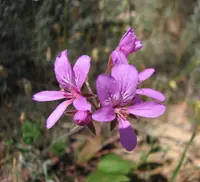
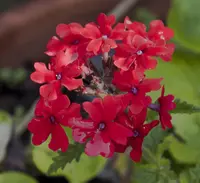
Peruvian mock vervain (Verbena peruviana) is a low, spreading perennial often grown as a flowering groundcover or container plant. It forms dense mats of foliage topped with many small, bright flower clusters. Colors are usually red, pink, or purple, and blooms appear over a long season in warm conditions. In its native South American range, it grows in open, sunny areas with well-drained soils. The plant is valued for its heat tolerance, continuous flowering, and ability to attract pollinators, which makes it relatively easy for beginners. Gardeners who want to care for Peruvian mock vervain should provide plenty of sun, moderate moisture, and soil that does not stay waterlogged.

Main Plant Requirements

Care Difficulty

Moderate Care

Light Preference

Full Sun

Water Requirements

Moderate Water

Temperature Preference

Tropical / Frost Sensitive

Hardiness Zone

9–11

Soil Texture

Sandy, Loamy, Organic-rich

Soil pH

Acidic (5.5–6.5), Slightly acidic (6.5–7.0)

Soil Drainage

Well-drained

Fertilization

Light (every 4–6 weeks)

Get Personalized Care Plan

Scan your plant to receive care tips personalized for your specific plant

Available on iOS and Android

How to Care for the Peruvian mock vervain

This sun-loving species flowers best with strong, consistent light outdoors.

  • Provide 6–8 hours of direct sun daily; morning sun with some light afternoon shade is ideal in hot climates for Peruvian mock vervain.
  • In cooler regions, full sun all day promotes compact growth and abundant blooms; in hotter regions, protect from harsh sun between 1–4 p.m.
  • If stems stretch, foliage pales, or flowering declines, the plant is not getting enough light; move it to a more open, unshaded position.

This plant prefers evenly moist but never soggy soil, with brief dry periods between waterings.

  • Check soil before watering; allow the top 3–5 cm to dry, then water deeply so moisture reaches the root zone and excess drains freely.
  • Use well-drained soil to reduce root rot risk; signs of overwatering include yellowing leaves, limp stems, and a sour soil smell around Verbena peruviana.
  • In hot, dry weather, soil may dry out every 1–2 days, while in cool or rainy periods watering may be needed only every few days; wilting and crisp leaves indicate underwatering.

This species performs best in warm, frost-free conditions typical of many summer-bedding plants.

  • Aim for 65–80°F (18–27°C) for active growth; flowering is strongest in stable warm weather with moderate humidity.
  • It tolerates heat up to about 90–95°F (32–35°C) if soil is not waterlogged and roots are mulched to reduce temperature swings.
  • Frost is damaging; growth stops below about 45°F (7°C) and plants are usually killed by a hard freeze below 32°F (0°C), so treat it as an annual where winters are cold.

This species handles typical household humidity well and rarely needs special adjustment.

  • Target a broad humidity range of 30–60%, as higher moisture in the air is not essential for healthy growth.
  • Dry indoor air is usually tolerated without stress, provided soil moisture is managed and the root zone does not dry out completely.
  • If foliage edges brown and flowers shrivel quickly despite adequate watering, increase local humidity slightly using nearby water trays rather than misting leaves.

This plant prefers light, fast-draining soil that does not stay wet around the roots.

  • Use a sandy or loamy mix, for example 2 parts all-purpose potting mix with 1 part coarse sand and 1 part perlite for strong drainage and aeration.
  • Aim for slightly acidic to neutral pH around 6.0–7.0, which supports nutrient uptake and stable growth.
  • Blend in a small amount of mature compost to provide organic matter without making the mix heavy or waterlogged.
  • Avoid dense clay, compacted soil, or mixes with high peat content that remain saturated and promote root rot in Verbena peruviana.

This species is well suited to container growing for patios, balconies, and small gardens.

  • Choose a wide, shallow to medium-depth pot that allows its spreading roots and stems to fill the surface area without crowding.
  • Select a relatively heavy container material, such as ceramic or thick terracotta, to stabilize the plant against wind and sprawling growth.
  • Elevate the pot on feet or bricks so drainage holes stay clear and excess water leaves the container quickly after rain or irrigation.

Light, consistent feeding keeps Verbena peruviana flowering well without forcing soft, weak growth.

  • Apply a balanced liquid fertilizer (around 10-10-10) at 1/2 strength every 3–4 weeks during the main growing season.
  • Use a thin layer of compost around the root zone in spring to support soil health and moisture balance.
  • In containers, add a slow-release fertilizer at planting, following label rates to avoid salt buildup.
  • Stop feeding or reduce to very light applications in late fall and winter when growth naturally slows.

Thoughtful pruning keeps Verbena peruviana compact, tidy, and producing continuous blooms.

  • In spring, trim back leggy or winter-damaged stems to healthy green growth with clean, sharp shears.
  • Remove spent flower clusters through the season to encourage new branching and more flower production.
  • Thin crowded stems slightly to improve air circulation and reduce risk of fungal disease.
  • At season’s end, cut back plants by about 1/3 to maintain a low, bushy shape.

This plant is often grown in beds or containers and benefits from occasional transplanting to fresh, well-drained soil.

  • Look for roots circling the pot drainage holes, rapid drying of soil, or stalled growth as signs it needs more space.
  • Transplant or repot in spring after frost risk passes, typically every 1–2 years for container-grown plants.
  • Move into a pot only 2–5 cm wider, using a gritty, free-draining mix to limit waterlogging stress.
  • Water thoroughly after moving, keep in bright but not harsh midday sun for 3–5 days, and avoid heavy feeding until growth resumes.

New Verbena peruviana plants are most reliable from softwood cuttings taken during active growth.

  • Take 7–10 cm non-flowering stem cuttings in late spring or early summer, cutting just below a node.
  • Remove lower leaves, dip the base in rooting hormone, and place in a moist, free-draining mix of perlite and peat or coco coir.
  • Provide bright, indirect light, high humidity, and temperatures around 65–75°F to support steady root formation.
  • Seeds can be sown indoors in late winter on the surface of light seed mix, kept slightly moist and warm for germination.

In mild climates, caring for Peruvian mock vervain over winter focuses on preserving the root system rather than top growth.

  • This plant tolerates only light frost; prolonged freezes can kill roots, especially in wet soil.
  • In-ground plants benefit from a 5–8 cm layer of dry mulch around the crown after the first light frost.
  • Move containers into a bright, frost-free spot indoors or an unheated garage where temperatures stay above 40°F.
  • Reduce watering in winter so the soil stays slightly dry, helping prevent root rot in cool conditions.

Care Tips

Encourage Lateral Spread

Pinch or lightly trim back the longest runners early in the season to promote dense, lateral branching and a fuller flowering mat instead of a few long, sparse stems.

Refresh Leggy Plants

If plants become woody or thin in midsummer, shear back the top 25–30% of growth, remove faded stems, then water and feed lightly to trigger a fresh flush of compact foliage and blooms.

Improve Air Circulation

Space plants so foliage just touches at maturity and avoid crowding with taller neighbors to reduce mildew risk and keep flower clusters clean and dry.

Use Targeted Deadheading

Rather than removing individual spent flowers, snip off entire seed-laden clusters back to the next strong leaf node to conserve the plant’s energy and extend the overall blooming period.

Seasonal Container Rotation

For containers, rotate baskets or pots a quarter turn every 7–10 days and slide them slightly away from heat-reflective walls or pavement during peak summer to keep growth even and reduce stress when growing Peruvian mock vervain.

Common Pests and Diseases

Powdery mildew

This disease appears as a white, powdery coating on leaves, stems, and sometimes flower buds, especially in warm, dry conditions with poor air movement. Symptoms include distorted new growth and premature leaf drop, which can reduce flowering.

Solution

Remove heavily infected leaves to reduce spore load, then improve spacing and airflow around the plant and avoid overhead watering. If needed, treat with a labeled fungicide such as sulfur or potassium bicarbonate, applying in the early stages of infection and repeating as directed on the product label.

Botrytis blight

This disease causes tan to brown spots on flowers and leaves that quickly develop gray, fuzzy mold, especially in cool, humid, or rainy weather. Symptoms include collapsing flower clusters and mushy, rotting tissue near the soil line or inside dense foliage.

Solution

Promptly remove and discard all affected flowers and foliage, keep the plant well spaced, and water at the base early in the day so surfaces dry quickly. In persistent conditions, use a labeled botrytis fungicide and avoid dense mulching against stems, which traps moisture.

Aphids

These insects cluster on soft new shoots and the undersides of leaves, sucking sap and causing curled, sticky foliage covered with honeydew and sometimes black sooty mold. This pest is most common in lush, fertilized growth or plants grown in protected, sheltered sites.

Solution

Spray stems and leaf undersides with a strong stream of water to dislodge colonies, then follow with insecticidal soap or a light horticultural oil, making sure to cover all plant surfaces. Encourage or introduce natural predators like lady beetles, and avoid overfertilizing, which produces tender growth that favors aphids when caring for Peruvian mock vervain.

Spider mites

These pests are tiny, often red or yellow, and cause fine speckling, dulling, and bronzing of foliage, with delicate webbing between leaves and stems in hot, dry weather. Symptoms include stressed, thinning foliage that may eventually drop if infestations are heavy.

Solution

Increase humidity around plants and regularly hose down both sides of the leaves, focusing on the undersides where mites feed. For ongoing problems, apply insecticidal soap or a miticide labeled for ornamentals in repeated treatments, rotating products if needed and ensuring thorough coverage.

Leaf spot

This disease produces small, circular to irregular brown or purple spots on leaves that may merge into larger blotches, often starting on lower foliage where moisture lingers. Symptoms include yellowing and early drop of affected leaves, which can thin the plant and reduce vigor.

Solution

Remove and dispose of spotted leaves, both on the plant and from the soil surface, to reduce the source of infection. Water at soil level, allow good air circulation, and if spots continue to spread, use a broad-spectrum ornamental fungicide according to label directions, treating new foliage as it emerges.

Interesting Facts

Naturally short-lived

This species behaves as a perennial in frost-free areas but often functions as a short-lived bedding plant, with individual plants typically declining after 2–3 flowering seasons even under good conditions.

Continuous flower cycling

Plants form flowers on new growth and can cycle rapidly between vegetative growth and flowering, which is why regular deadheading directly supports prolonged blooming over warm months.

Low fertility preference

In its cultivated forms, this species tends to flower more heavily in moderately fertile, well-drained soils and can produce more foliage than blooms if grown in very rich substrates or overfertilized.

FAQs about Peruvian mock vervain

Poor flowering usually comes from low light, depleted nutrients, or old, unpruned stems. Deadhead spent clusters, feed lightly with a balanced fertilizer in spring, and avoid heavy shade to keep energy directed into new flower-producing growth.

Grow Healthy Plants with Botan Care

Keep your plants happy and healthy with plant identification, disease detection, and easy care guidance.

Botan plant care app — identify plants on mobile

Explore More Plants