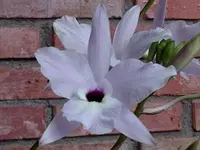


pale laelia (Laelia rubescens) Light Needs

pale laelia grows best in bright filtered light with a few hours of gentle morning sun.

Light Preference

Partial Sun

Laelia rubescens Light Requirements

In habitat, Laelia rubescens grows as an epiphyte or lithophyte in seasonally dry, open woodland settings from Mexico into Central America. Plants are often exposed to strong ambient light, but nearby branches, rocks, and seasonal leaf cover break the harshest sun.

This background explains why cultivated plants handle partial sun better than deep shade, while still needing protection from hot afternoon rays. Preferred light is bright filtered light.

  • Ideal exposure:

    Laelia rubescens needs about 6–8 hours of bright filtered light daily, including 1–3 hours of gentle direct morning sun.

  • Safe direct sun:

    Early sun is usually tolerated, but midday and afternoon sun can scorch leaves and pseudobulbs.

  • Lower-light tolerance:

    Light shade is tolerated, especially outdoors, but growth and flowering usually weaken when light stays too dim.

  • Best timing:

    Morning light is the safest direct exposure because heat builds more slowly.

Indoors, place it where light is bright for most of the day but softened during the hottest hours.

NConditional
North-facing window:

A north-facing window is usually too dim for reliable flowering unless it is very bright and unobstructed.

EBest
East-facing window:

An east-facing window gives gentle morning sun and bright light without the strongest afternoon heat.

SConditional
South-facing window:

A south-facing window can work if the plant sits 2–4 ft back or the glass is filtered by a sheer curtain.

WConditional
West-facing window:

A west-facing window is usable only with filtering or extra distance because afternoon sun can overheat and mark the leaves.

Adjust placement seasonally if leaf color becomes very pale or new growth stretches toward the light.

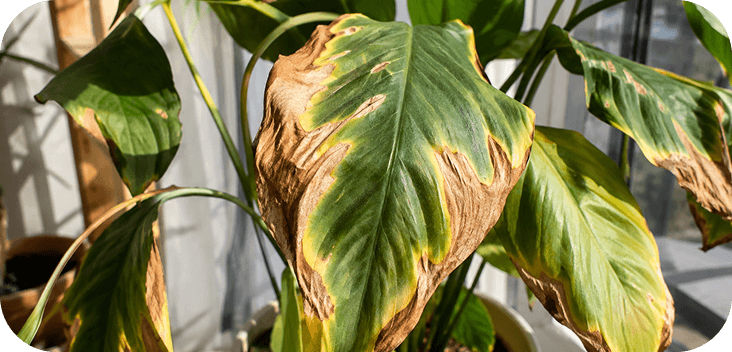
Excess light usually appears after harsh sun or a sudden move to brighter exposure.

Pale leaf tone:

Leaves may turn yellow-green or washed out instead of firm medium green when light is too intense.

Sunken patches:

Dry tan or whitish marks can form on leaf surfaces facing the glass or afternoon sun.

Hot pseudobulbs:

Exposed pseudobulbs may develop dry, bleached areas where direct sun hits repeatedly.

Stalled new growth:

New leaves may stay shorter or harden early after repeated heat and glare stress.

Move Laelia rubescens out of direct afternoon sun and give filtered light. Keep damaged tissue shaded, because sun-marked areas do not turn green again.

Low light often shows slowly during active growth or before the expected bloom season.

  • Stretched growth:

    New growth may lean toward the brightest side or form longer, weaker sections between nodes.

  • Small pseudobulbs:

    New pseudobulbs may mature smaller than older ones when light stays weak.

  • Few flowers:

    Buds may be sparse or absent even when the plant otherwise looks healthy.

  • Dark soft leaves:

    Leaves can become deeper green and less firm as the plant adapts to shade.

Move it gradually into brighter filtered light, starting with morning sun. Laelia rubescens should not be shifted suddenly from shade into strong direct sun.

Choose the brightest filtered spot available, even if it offers only short morning sun. This is a better compromise than placing the plant in dim shade.

Rotate the pot every 1–2 weeks so new growth does not lean strongly toward one side.

Avoid hot, unfiltered afternoon glass in summer, because the heat can exceed this species’ safe sun exposure.

Get Personalized Care Plan

Scan your plant to receive care tips personalized for your specific plant

FAQ

The best light for pale laelia is bright filtered light for most of the day, with about 1–3 hours of gentle morning sun.

More Plant Light Guides

Get the Botan App

Discover how to care for your plants with Botan.

Botan app identifying a plant with a phone camera
How Fast Does Bamboo Grow Per Day, Month, and Year

10 min read · 7 Jul 2026

How Fast Does Bamboo Grow Per Day, Month, and Year

Bamboo grows extremely fast: some species can reach 5-6 m in just 3-4 months under the right conditions. This guide explains how much bamboo can grow per day, week, and year, and what affects its growth rate.

Plant Recommendations
How Fast Does Bamboo Grow Per Day, Month, and Year
Planting Grass Seed in Summer – What Works and What Fails

7 min read · 6 Aug 2026

Planting Grass Seed in Summer – What Works and What Fails

Summer seeding succeeds when the grass type suits the season, and the soil stays moist. Find out how to prepare the seedbed and choose a safe window for planting.

Plant Care
Planting Grass Seed in Summer – What Works and What Fails
12 Best Plants for Bathroom That Thrive in Humid Conditions

9 min read · 29 Sept 2026

12 Best Plants for Bathroom That Thrive in Humid Conditions

Discover the 12 best plants for bathroom spaces. Each pick comes with its own advantages, plus light, humidity, watering, and placement tips. Take a look and match the plant to your specific bathroom.

Plant Recommendations
12 Best Plants for Bathroom That Thrive in Humid Conditions