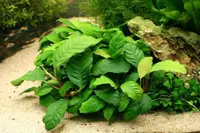


Anubias barteri Light Needs

Anubias barteri grows best in low to moderate filtered light, with protection from strong direct sun.

Light Preference

Partial Shade

Anubias barteri Light Requirements

In its native West African range, Anubias barteri grows along shaded streams and river margins, often attached to rocks or wood where forest cover softens the sun. Light is usually filtered, dappled, or partly shaded rather than open and intense.

This background explains its cultivated preference for steady, moderate illumination and its tolerance of dimmer positions. Its preferred light is low to moderate filtered light.

  • Ideal exposure:

    Anubias barteri needs about 6–8 hours of low to moderate filtered light daily, with no more than 0–1 hour of gentle direct morning sun.

  • Direct sun limit:

    Strong midday or afternoon sun is risky, especially through glass or on shallow water.

  • Shade tolerance:

    It tolerates shade well, but very dim light can slow new leaf production.

  • Morning preference:

    If any direct sun reaches it, early morning exposure is safer than late-day heat.

Indoors, Anubias barteri is easiest to place where daylight is gentle and indirect, especially in an aquarium or humid setup.

NSuitable
North-facing window:

Use a bright north window if the room is not dark; keep the plant close enough to receive steady ambient light.

EBest
East-facing window:

An east-facing window is often best when morning sun is brief and does not heat the container.

SConditional
South-facing window:

A south window works only with a sheer curtain or a 3–6 ft setback from direct rays.

WConditional
West-facing window:

A west-facing window is risky unless afternoon sun is fully filtered and the container stays cool.

For aquarium culture, avoid placing the tank where direct sun heats the water or drives algae growth.

Excess light most often shows on older, exposed leaves.

Algae coating:

A green or dark film may build up on slow-growing leaves when light is too intense or lasts too long.

Bleached patches:

Pale tan or whitish patches can appear on leaves receiving direct sun through glass.

Scorched areas:

Brown, papery spots are more likely after a sudden move from shade to strong sun.

Stressed new leaves:

New leaves may stay smaller if bright light stress is combined with heat in a tank or container.

Move Anubias barteri into filtered light and shorten intense exposure gradually. Shield the container from hot afternoon sun.

Low light stress can be subtle because this species naturally grows slowly. Look for changes during active growth rather than a single old leaf.

  • Long leaf stalks:

    Leaves may form on longer stalks as the plant reaches toward the brighter side of the tank or room.

  • Leaning growth:

    New growth may angle toward a window or lamp instead of staying evenly arranged.

  • Smaller leaves:

    Fresh leaves may emerge smaller than the older leaves when usable light stays very low.

  • Very slow growth:

    Anubias barteri may pause new leaf production for long periods in deep shade.

Move it to brighter filtered light, but avoid a sudden jump into direct sun. Judge improvement by new growth over several weeks.

Choose the brightest shaded spot available rather than direct sun; this usually fits Anubias barteri light needs better than a hot window.

Rotate the container a quarter turn every 1–2 weeks if growth leans toward one side. Wipe dust or mineral film from any cover glass so filtered light reaches the leaves.

Avoid a windowsill that receives long afternoon sun, because the light can overheat the container and scorch exposed leaves.

Get Personalized Care Plan

Scan your plant to receive care tips personalized for your specific plant

FAQ

This plant does best in low to moderate filtered light. The best light for Anubias barteri is steady and gentle, not harsh direct sun for long periods.

More Plant Light Guides

Get the Botan App

Discover how to care for your plants with Botan.

Botan app identifying a plant with a phone camera
How to Mist Plants – Proper Technique and Common Mistakes

7 min read · 30 Jul 2026

How to Mist Plants – Proper Technique and Common Mistakes

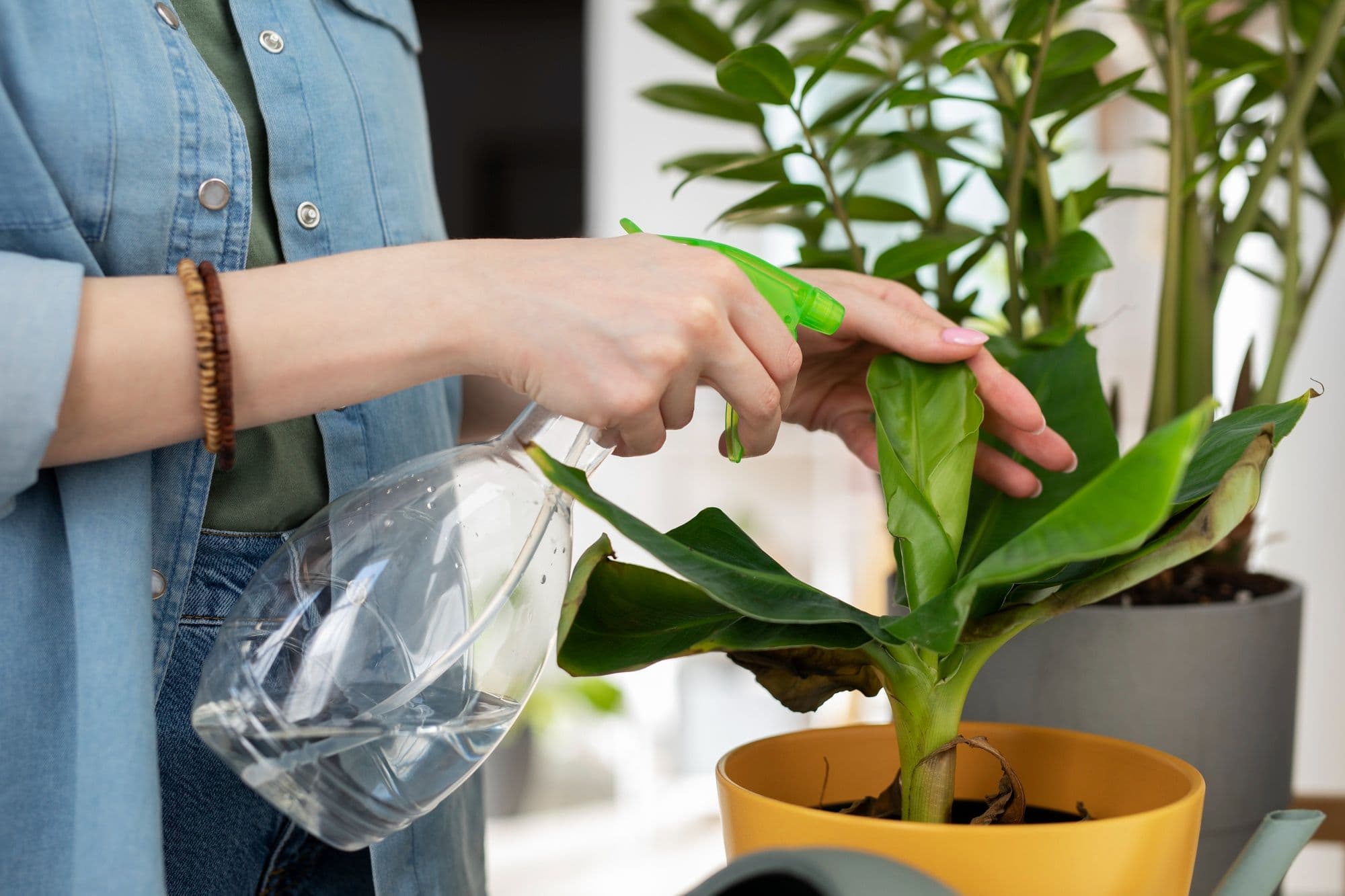
Find out when misting works well and when to avoid it. Here, you’ll find detailed information about compatible and incompatible species, tips on how often to mist plants and do it correctly, and some great alternatives for raising humidity.

Beginner Guides
How to Mist Plants – Proper Technique and Common Mistakes
How To Revive a Dying Plant: 6 Steps To Bring A Plant Back To Life

6 min read · 1 Sept 2026

How To Revive a Dying Plant: 6 Steps To Bring A Plant Back To Life

Drooping leaves and brown tips don't always mean the end, and a weakened plant can often recover with a little help. These six simple steps will help you revive a dying plant and restore its health.

Plant Care
How To Revive a Dying Plant: 6 Steps To Bring A Plant Back To Life
How Fast Does Bamboo Grow Per Day, Month, and Year

10 min read · 7 Jul 2026

How Fast Does Bamboo Grow Per Day, Month, and Year

Bamboo grows extremely fast: some species can reach 5-6 m in just 3-4 months under the right conditions. This guide explains how much bamboo can grow per day, week, and year, and what affects its growth rate.

Plant Recommendations
How Fast Does Bamboo Grow Per Day, Month, and Year