


7 min read · 6 Aug 2026
Planting Grass Seed in Summer – What Works and What Fails
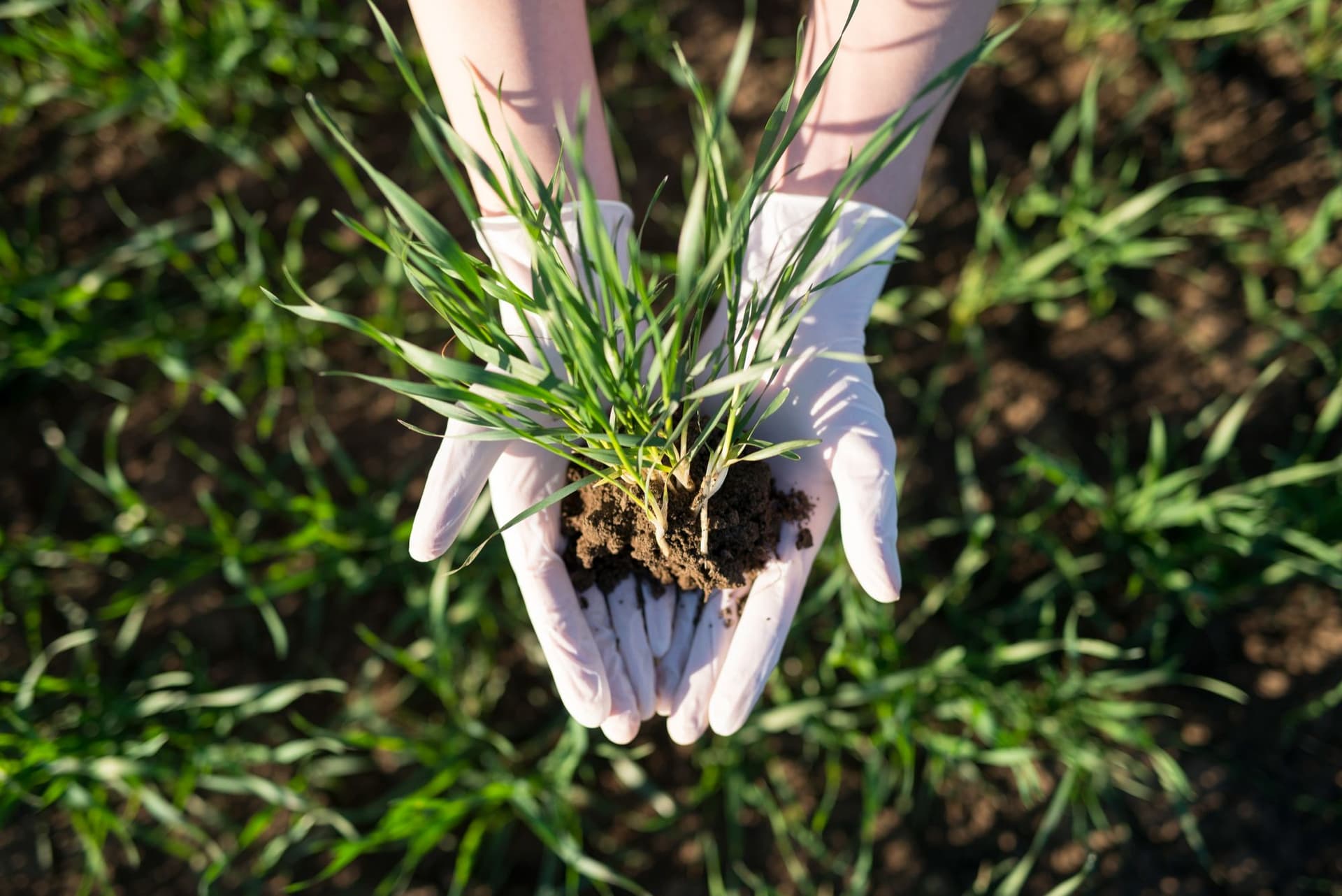
Summer seeding succeeds when the grass type suits the season, and the soil stays moist. Find out how to prepare the seedbed and choose a safe window for planting.

Alocasia Frydek grows best indoors in bright, indirect light with only brief, gentle morning sun exposure.

Light Preference
Bright Indirect Light

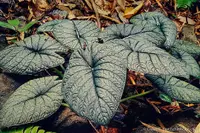
Alocasia micholitziana is native to humid tropical forest habitats in the Philippines, where it grows below taller vegetation rather than in open, exposed sun. Its leaves are adapted to bright, filtered light that shifts through the day, with protection from harsh midday rays.
In cultivation, this means strong ambient light is helpful, but direct sun should stay brief and gentle. Its preferred light is bright indirect or filtered light.
Alocasia micholitziana needs about 6–8 hours of bright, indirect or filtered light daily, including up to 1–2 hours of gentle direct morning sun.
Direct afternoon sun can scorch the velvety leaves, especially through hot glass or after a sudden move.
It can tolerate moderate shade, but growth usually slows and new leaves may emerge smaller.
Morning sun is the safest direct exposure; late-day west sun often needs distance or filtering.
Indoors, place this plant where bright daylight reaches the leaves without long exposure to hot direct sun.
Use only if the room is very bright and the plant sits close to the glass; dim north rooms are usually too weak.
Place it within 1–3 ft of an east-facing window where morning sun is gentle and the rest of the day stays bright.
Keep it 3–6 ft back or behind a sheer curtain so strong midday sun does not hit the leaves directly.
Place it several feet from the glass or filter the sun; unfiltered afternoon rays are often too harsh.
Adjust placement seasonally if sun angles change and direct rays begin to touch the foliage.
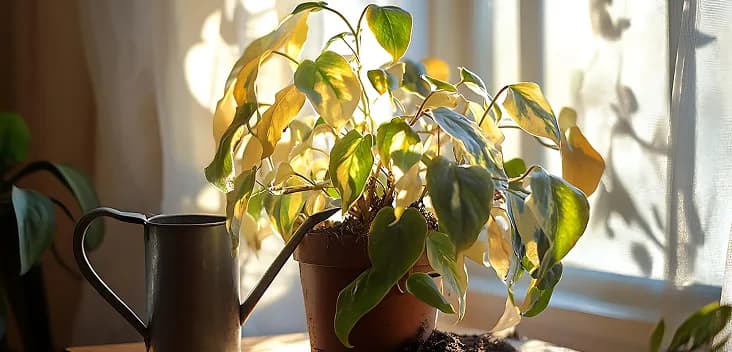
Excess light usually shows on the exposed parts of the leaves first.
Pale tan or silvery areas may appear where direct rays hit the leaf surface.
Dry, papery patches can form after sudden exposure to hot window sun.
The dark green leaf surface may look washed out instead of rich and velvety.
Leaves may angle away or curl slightly during the brightest part of the day.
This pattern is more likely when the brightest side of the plant is affected. Move the plant out of direct afternoon sun immediately. Keep it in bright filtered light, and leave damaged tissue in place until the leaf declines naturally.
Low light often develops gradually indoors. Dim rooms are usually the cause. The clearest signs appear in new growth and plant posture.
Stems and leaves may lean strongly toward the nearest window instead of holding an even shape.
Leaf stalks can stretch longer than usual as the plant searches for brighter light.
New leaves may open smaller, thinner, or less well shaped than earlier leaves.
During spring and summer, very slow growth can suggest the light level is too weak.
Move it to a brighter indirect-light spot in small steps. Avoid shifting a shaded plant straight into strong direct sun.
If ideal light is not available, choose the brightest spot without harsh afternoon rays. Set the plant close enough to receive a clear view of the sky, then filter any direct sun that lands on the leaves.
Rotate the pot a quarter turn every 1–2 weeks to keep the leaf stalks from leaning toward one side.
Avoid deep corners with no sky view, because shade will weaken new growth over time.
Scan your plant to receive care tips personalized for your specific plant
The best light for Alocasia Frydek is bright, indirect or filtered light for most of the day. A little gentle morning sun is acceptable, but harsh direct sun should be avoided.
Discover how to care for your plants with Botan.


7 min read · 6 Aug 2026
Summer seeding succeeds when the grass type suits the season, and the soil stays moist. Find out how to prepare the seedbed and choose a safe window for planting.

12 min read · 7 Aug 2026
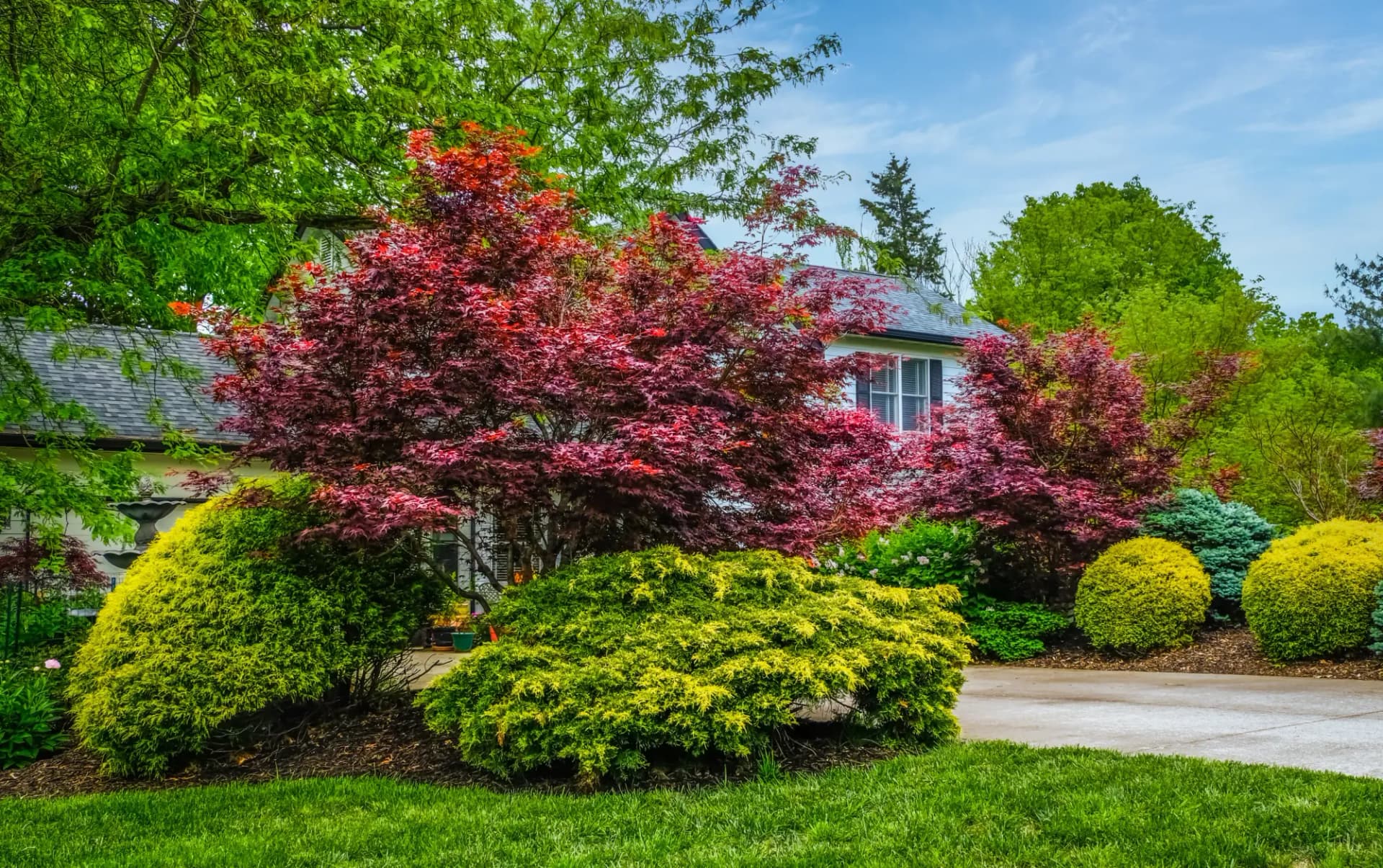
A front yard tree can stay for decades. Therefore, choosing one deserves serious consideration. Here are 13 trees that have proven themselves, sorted by their purpose. You'll also find five species to avoid and basic planting information.

8 min read · 14 Jul 2026
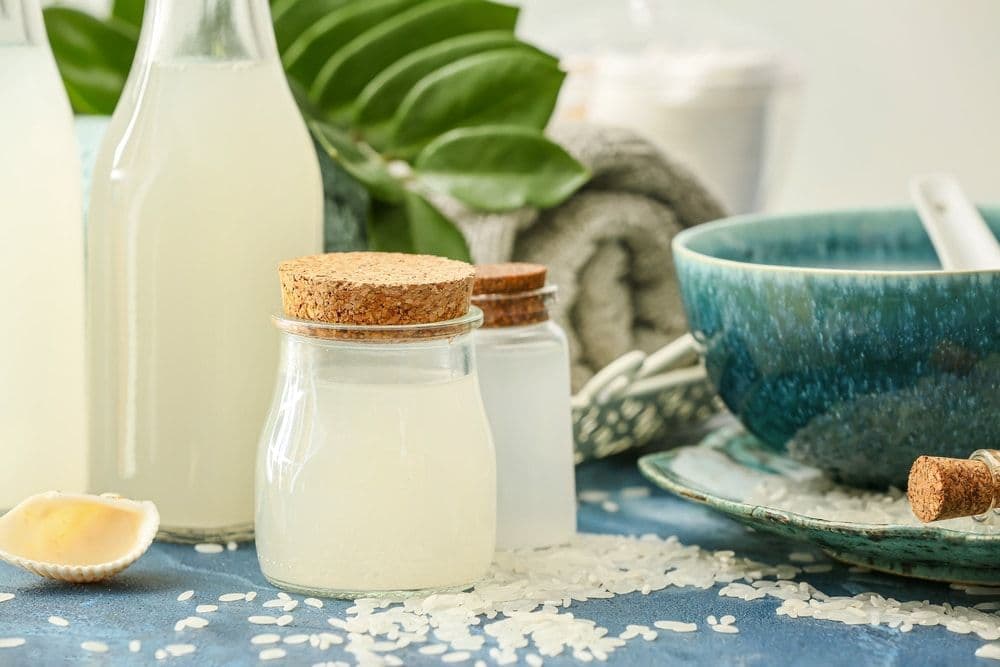
Rice water can be an ideal DIY solution for orchids, roses, or fruiting plants. It supports growth, leaf count, and height. We’ll share how to make and apply it correctly for your plant.