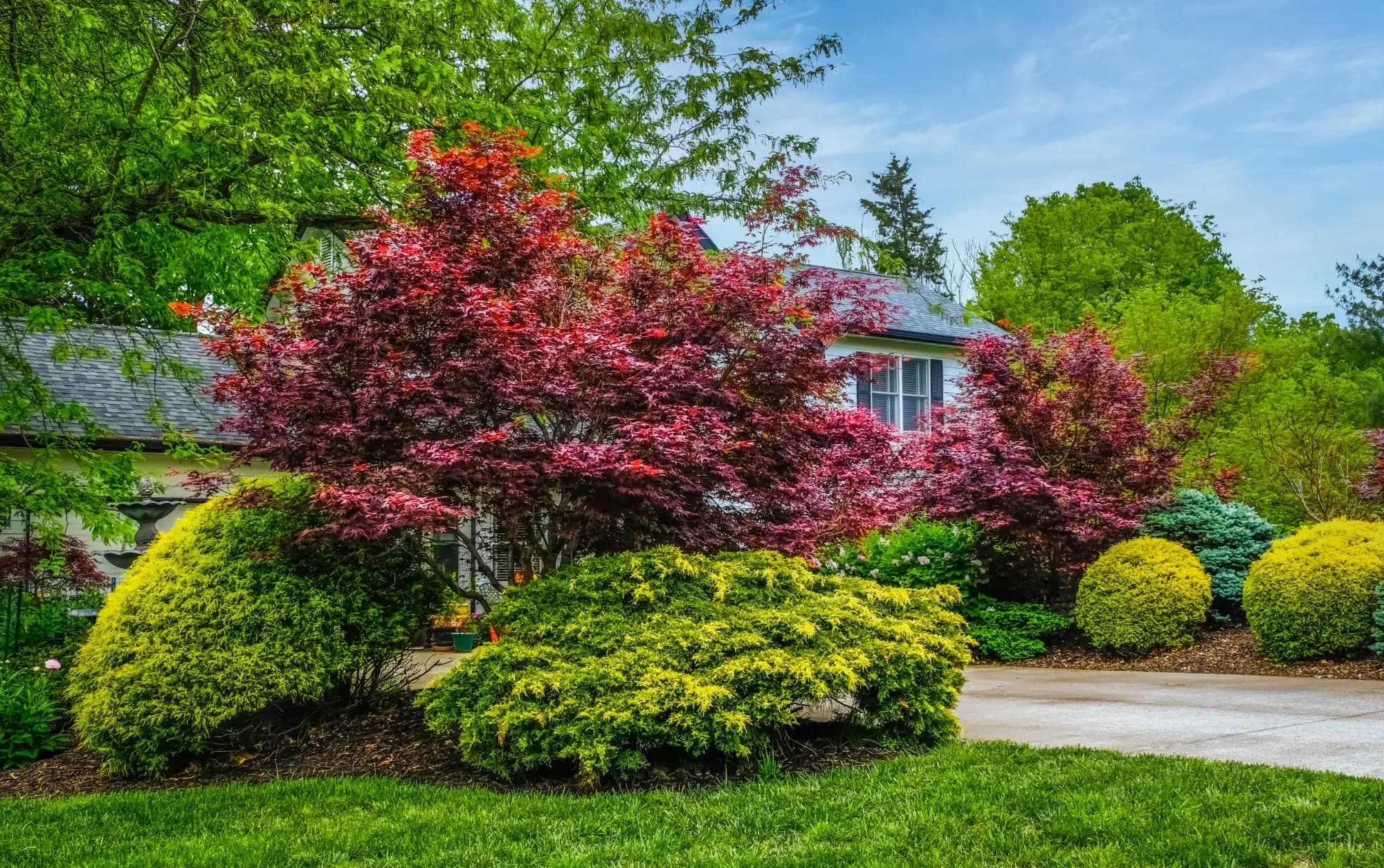



Best Soil for Alocasia Frydek (Alocasia micholitziana)

A loose, organic, slightly acidic mix helps Alocasia micholitziana maintain healthy roots while holding enough moisture without becoming stagnant.

Soil Texture

Loamy, Peaty, Organic-rich

Soil pH

Acidic (5.5–6.5), Slightly acidic (6.5–7.0)

Soil Drainage

Moist but well-drained

Alocasia micholitziana Soil Guide

Native to the Philippines, Alocasia micholitziana grows in warm, humid conditions where the ground stays lightly moist but not stagnant. That background points to a loose, organic-rich substrate that holds some moisture while still allowing steady airflow around the roots.

The best soil for Alocasia Frydek feels soft and loamy rather than dense or muddy. Its thick underground growth stores energy, so the root zone benefits from even moisture and good aeration at the same time. Slightly acidic soil also suits this species and supports steady root function.

A homemade mix gives better control over texture and airflow than many standard houseplant blends. For Alocasia micholitziana, aim for a mix that feels light but still moisture-retentive.

100% total mix = 20 scoops
20%
orchid bark4 scoops
20%
perlite or pumice4 scoops
25%
high-quality potting soil5 scoops
35%
coco coir or peat moss7 scoops

The finished blend should feel springy, crumbly, and rich, with water moving through evenly instead of pooling for long.

A good target for Alocasia Frydek is about 5.5–6.8 pH. That places it in the acidic to slightly acidic range, where key nutrients stay more available to the roots.

Alocasia micholitziana can usually handle small shifts within that range, but strongly alkaline soil may reduce nutrient uptake over time. A mildly acidic mix supports steadier access to iron, manganese, and other essential elements.

This species can react quickly when the root zone stays stressed for too long. Alocasia Frydek is especially sensitive to soil conditions that remain stale or compressed.

Compacted mix:

Dense soil limits airflow and can leave the surface hard or slow to absorb moisture, so gently loosen the top layer and check whether a lighter mix is needed.

Sour or stagnant soil:

A musty smell or soil that stays wet for many days can point to poor root-zone oxygen, so pause extra moisture and improve airflow around the container.

Hydrophobic soil:

If the mix shrinks from the pot edge or water runs straight through, re-moisten it gradually so the root ball can absorb evenly again.

Debris buildup:

Old fallen leaves on the soil surface can trap excess moisture and support fungus gnats, so clear them away and keep the top of the mix tidy.

Right Plant. Right Soil.

Botan helps match the right soil approach to the plant in front of you, so texture and drainage choices are easier to judge.

FAQ

Yes. Drainage holes let excess water leave the container and help keep air in the root zone, which is important for this species’ thick roots and moisture-sensitive base.

Everything About Alocasia Frydek

More Plant Soil Guides

Scan for Soil Problems

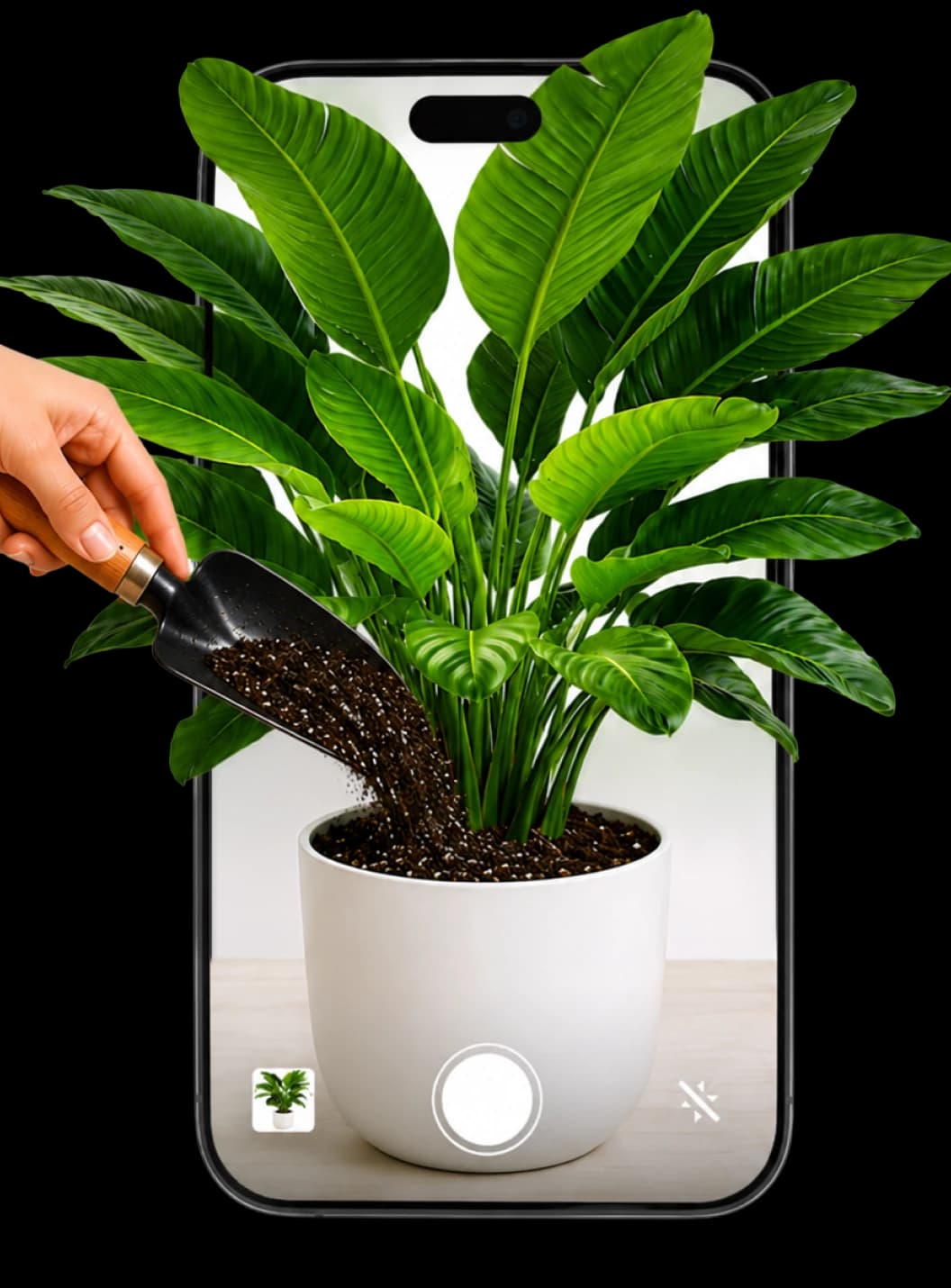
Use Botan’s photo-based assessment to check whether visible decline could be linked to soil conditions and decide what to inspect next.

Botan app helping with soil and plant care
How to Use a Moisture Meter for Plants

5 min read · 4 Sept 2026

How to Use a Moisture Meter for Plants

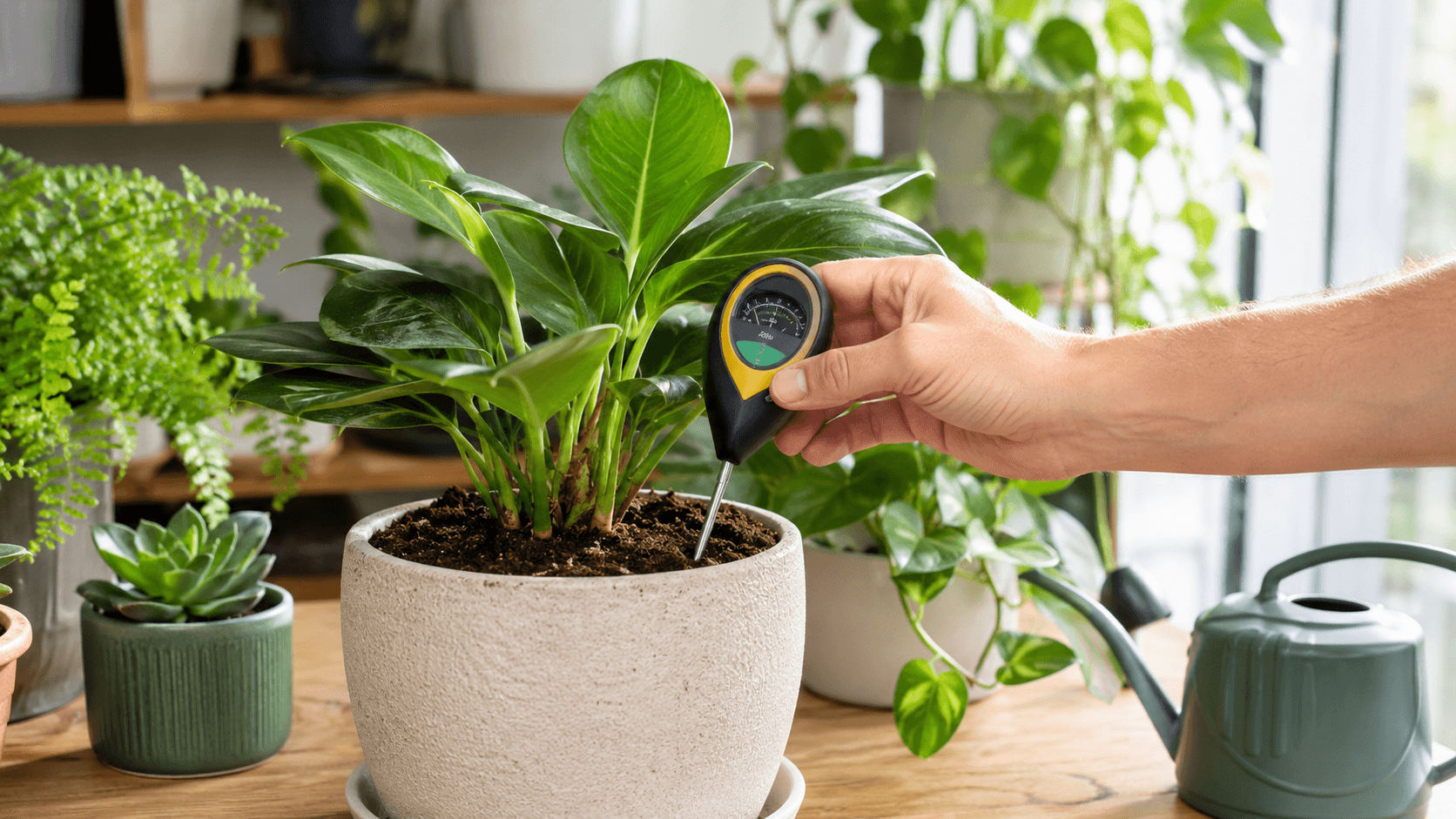
Watering by feel kills plenty of houseplants. A moisture meter checks the soil for you, and takes the guesswork out of it. This guide will show you how to use it correctly, from the first touch to the final reading.

Beginner Guides
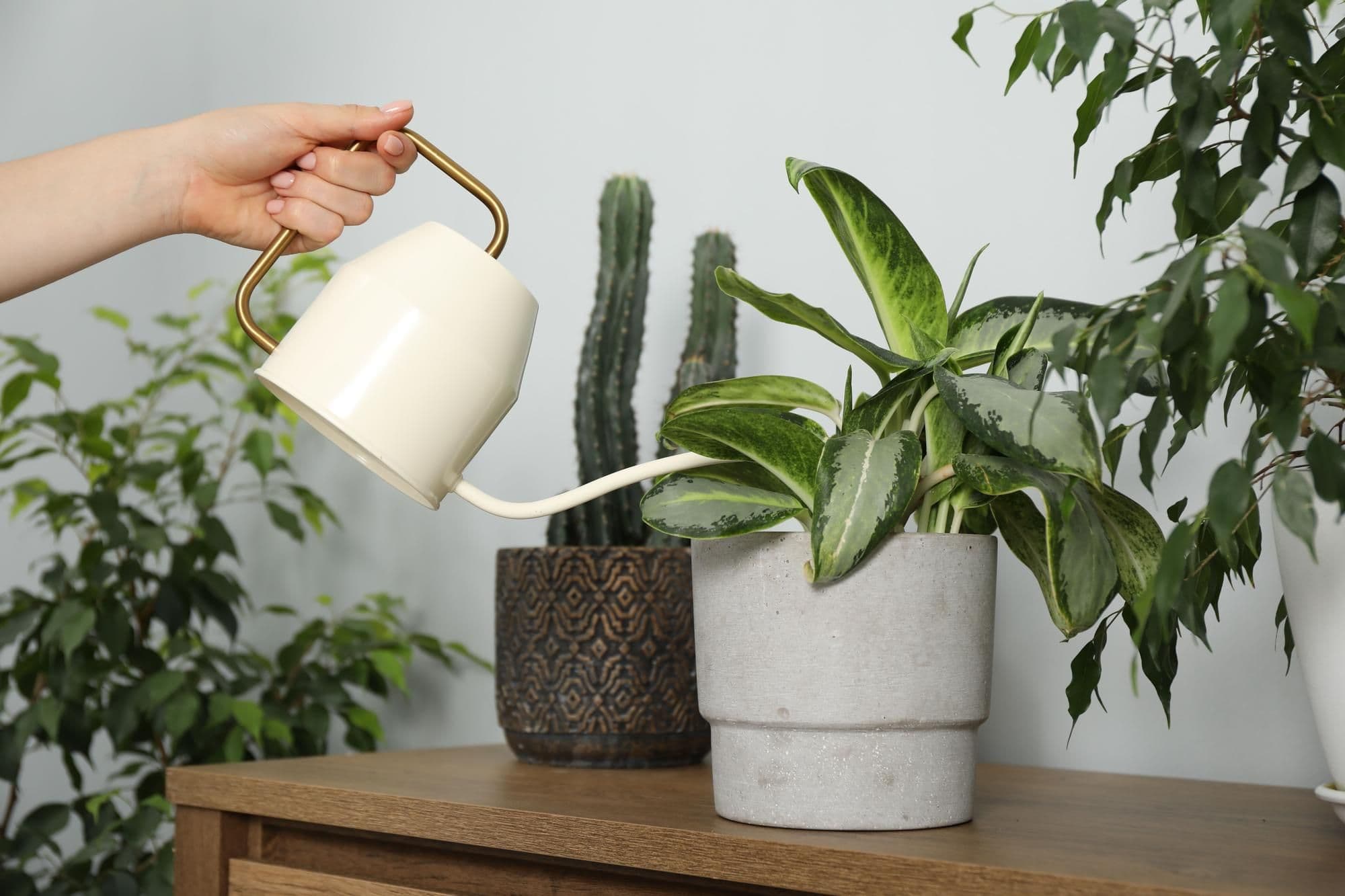
How to Use a Moisture Meter for Plants
How to Water Houseplants: Watering Guide

7 min read · 24 Aug 2026

How to Water Houseplants: Watering Guide

Learn how often to water indoor plants, key factors for proper watering, and how to adjust the care routine by plant type, season, pot size, light, and indoor conditions.

Plant Care
How to Water Houseplants: Watering Guide
13 Best Front Yard Trees for Every Home and Yard

12 min read · 7 Aug 2026

13 Best Front Yard Trees for Every Home and Yard

A front yard tree can stay for decades. Therefore, choosing one deserves serious consideration. Here are 13 trees that have proven themselves, sorted by their purpose. You'll also find five species to avoid and basic planting information.

Plant Recommendations
13 Best Front Yard Trees for Every Home and Yard