




Best Soil for Crystal Anthurium (Anthurium crystallinum)

Anthurium crystallinum grows best in a loose, organic-rich mix that balances moisture retention, airflow, and slightly acidic conditions for healthy roots.

Soil Texture

Loamy, Peaty, Organic-rich

Soil pH

Acidic (5.5–6.5), Slightly acidic (6.5–7.0)

Soil Drainage

Moist but well-drained

Anthurium crystallinum Soil Guide

Native to tropical areas of Central and South America, Anthurium crystallinum grows in warm, humid forest conditions where roots stay lightly moist but still have access to air. That background explains its preference for a loose, organic-rich substrate rather than dense potting soil.

Its roots are relatively fine and benefit from a texture that holds some moisture while draining freely. The best soil for Crystal Anthurium feels airy, loamy, and rich in decomposed organic matter, with a slightly acidic to acidic reaction that supports steady root function.

A homemade mix gives better control over texture and airflow than standard indoor potting soil for Anthurium crystallinum.

100% total mix = 20 scoops
5%
worm castings1 scoops
15%
perlite or pumice3 scoops
20%
coco coir or peat moss4 scoops
25%
orchid bark5 scoops
35%
high-quality potting soil7 scoops

The finished blend should feel light, springy, and chunky enough to drain well while still staying evenly damp between soakings.

A good target for Crystal Anthurium is about 5.5–6.5 pH. This places the mix in the acidic to slightly acidic range, where important nutrients stay more available to the roots.

It can usually handle slight movement around that range, but strongly alkaline soil may reduce nutrient uptake over time. Keeping pH mildly acidic supports steadier access to iron, manganese, and other essential elements.

This species can be sensitive to stale, compacted root conditions. Soil issues are worth checking when growth seems weaker than usual.

Compaction:

Compaction: if the surface hardens and water lingers, the root zone may be losing airflow, so gently loosen the top layer and review the mix texture.

Soggy mix:

Soggy mix: a heavy container long after watering suggests excess moisture retention, so let the mix dry slightly more and confirm the pot drains freely.

Hydrophobic soil:

Hydrophobic soil: if water runs down the sides without soaking in, the mix has likely dried too far, so re-wet it slowly and evenly.

Salt buildup:

Salt buildup: a white crust on the soil can point to mineral accumulation, so scrape off the top layer and flush with clean water occasionally.

Decomposed organic matter:

Decomposed organic matter: when Crystal Anthurium soil becomes fine and dense, drainage often drops, so plan to refresh the mix before it turns muddy.

Get the Soil Right

Botan helps match this plant to a more suitable mix by turning care details and plant ID into clear soil guidance.

FAQ

Yes. Drainage holes help excess water leave the pot, which protects root oxygen levels and keeps the mix from staying heavy for too long.

Everything About Crystal Anthurium

More Plant Soil Guides

Could It Be the Soil?

Yellowing, stalling, or weak growth can have more than one cause. Botan’s photo-based assessment can help check whether soil is one factor to review.

Botan app helping with soil and plant care
When to Harvest Tomatillos: How to Tell When They're Ripe

4 min read · 20 Oct 2026

When to Harvest Tomatillos: How to Tell When They're Ripe

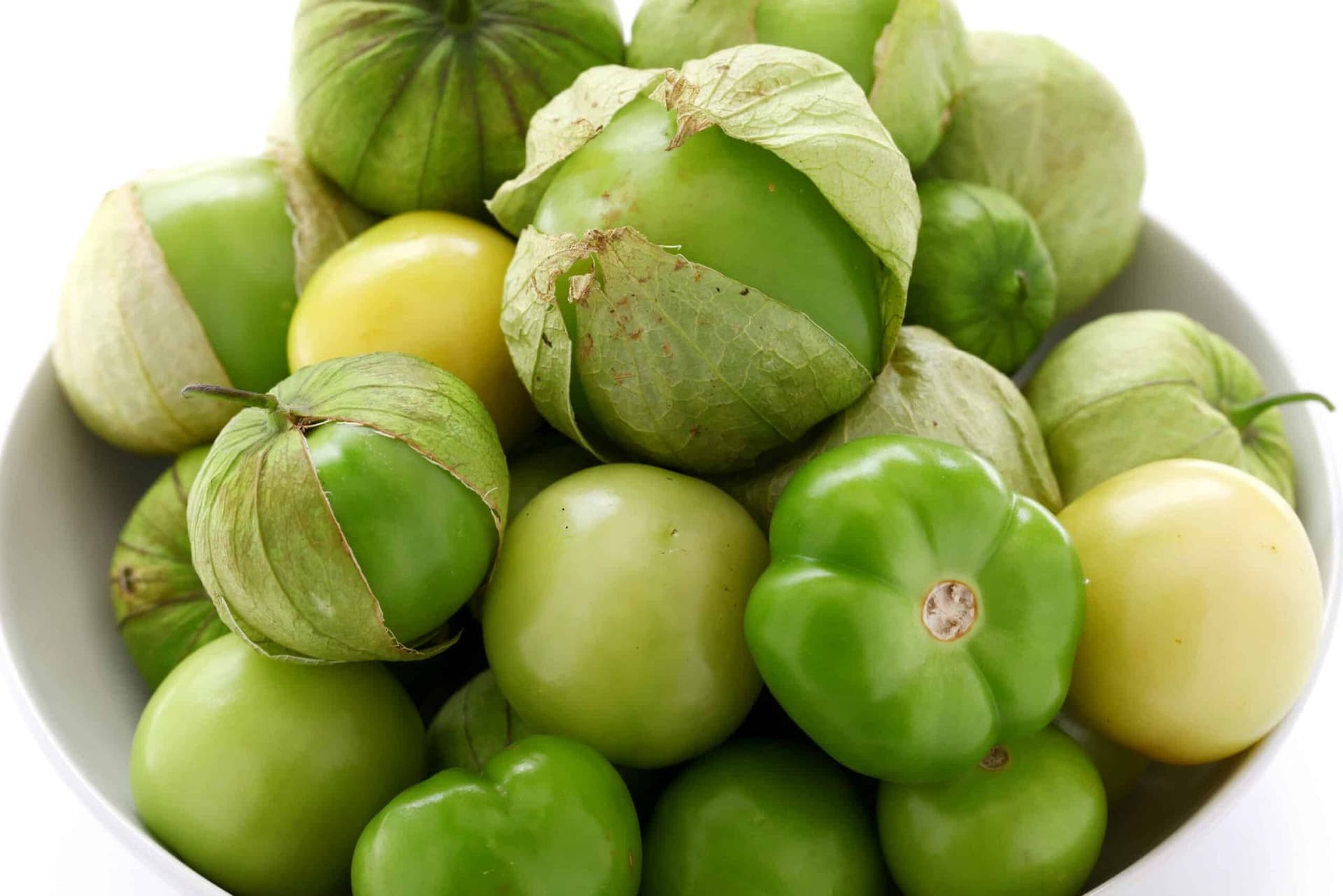
Tomatillos grow inside papery husks, making it hard to judge ripeness at a glance. This guide explains how to know when tomatillos are ripe and offers practical advice on harvesting and storage.

Plant Recommendations
When to Harvest Tomatillos: How to Tell When They're Ripe
How to Mulch in the Fall and When to Wait Until Spring

5 min read · 12 Nov 2026

How to Mulch in the Fall and When to Wait Until Spring

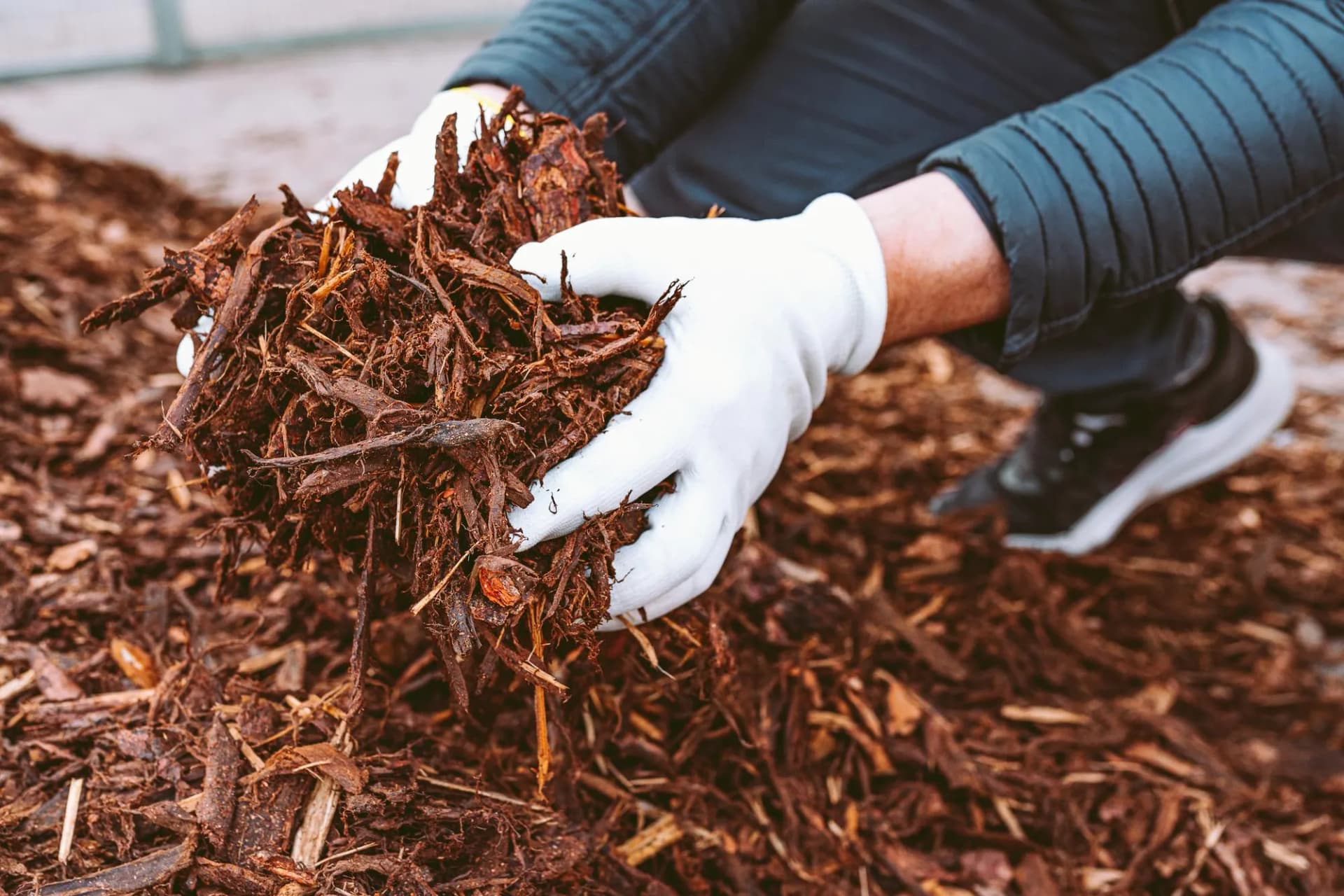
In the fall, mulch gives the roots of trees and shrubs insulation and more stable conditions through winter. In the spring, it mainly suppresses weeds and keeps moisture in the soil during the growing season.

Beginner Guides
How to Mulch in the Fall and When to Wait Until Spring
How Long Can Flowers Go Without Water? Everything You Need to Know

6 min read · 10 Jul 2026

How Long Can Flowers Go Without Water? Everything You Need to Know

Flowers can survive without water anywhere from 1-2 hours to several months, depending on the plant type, species, and growing conditions. Some strong-looking flowers are drought-sensitive, while delicate-looking plants may tolerate long dry periods surprisingly well.

Plant Care
How Long Can Flowers Go Without Water? Everything You Need to Know