


6 min read · 19 Aug 2026
How to Tell if a Plant Is Dead
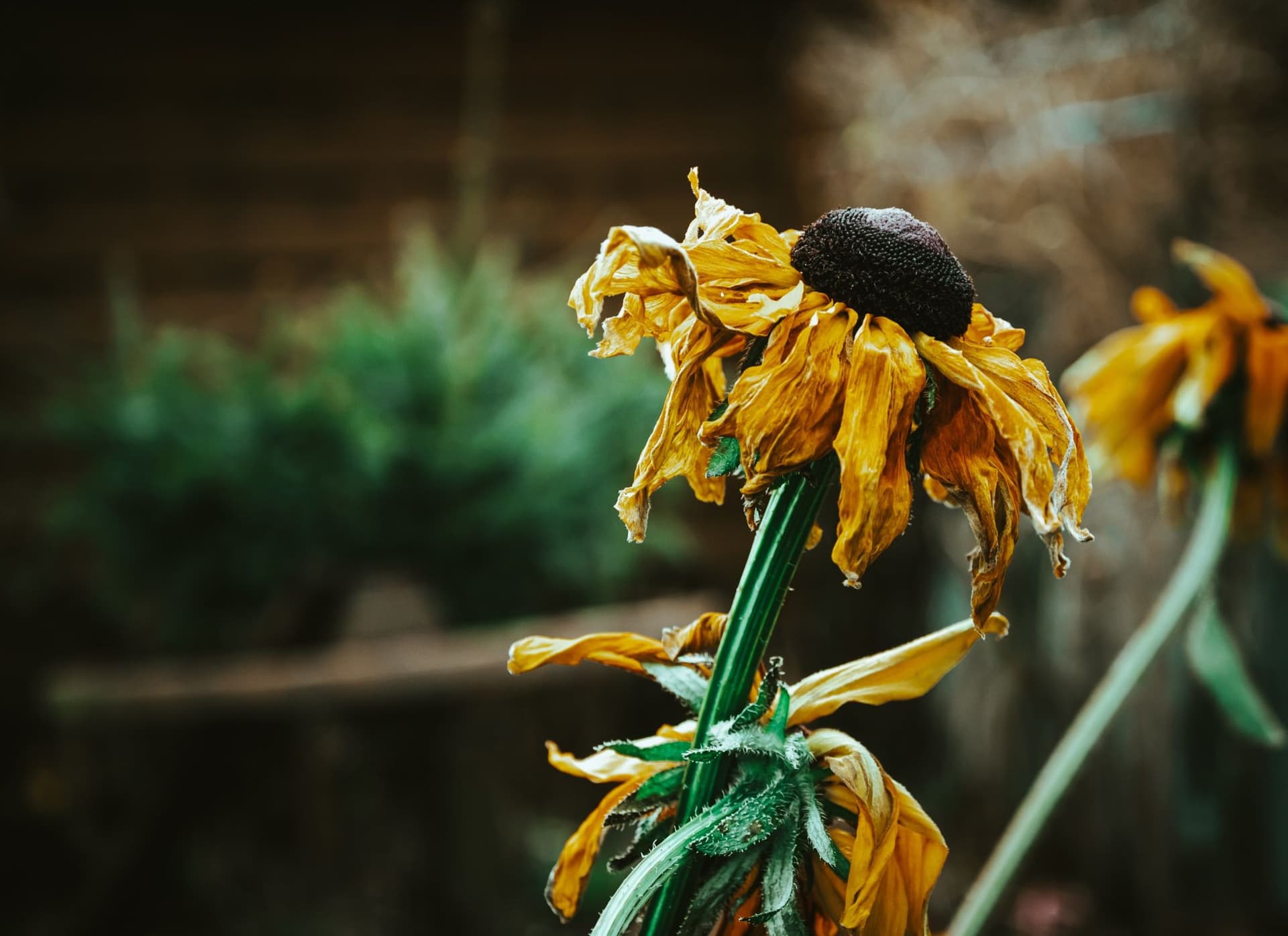
A plant can lose its leaves, stop growing, or collapse and still remain alive. A closer look at the stems, roots, bulbs, and tubers can show whether the plant still has a chance to recover.

Dioscorea elephantipes grows best in a fast-draining, airy soil that supports its underground storage structure and steady root health.

Soil Texture
Sandy, Loamy, Rocky

Soil pH
Slightly acidic (6.5–7.0), Neutral (7.0)

Soil Drainage
Well-drained

Native to South Africa, Dioscorea elephantipes comes from dry, rocky settings where water moves through the ground quickly. That background explains why the best soil for Elephant's Foot Plant is lean, airy, and sharply drained rather than rich and moisture-holding.
This species forms a large caudex, a swollen storage structure that holds water. Soil should still offer some fine material for root contact, but a sandy to loamy, mineral-lean texture suits it best. Slight acidity to neutral conditions are appropriate, with good aeration helping roots stay active between waterings.
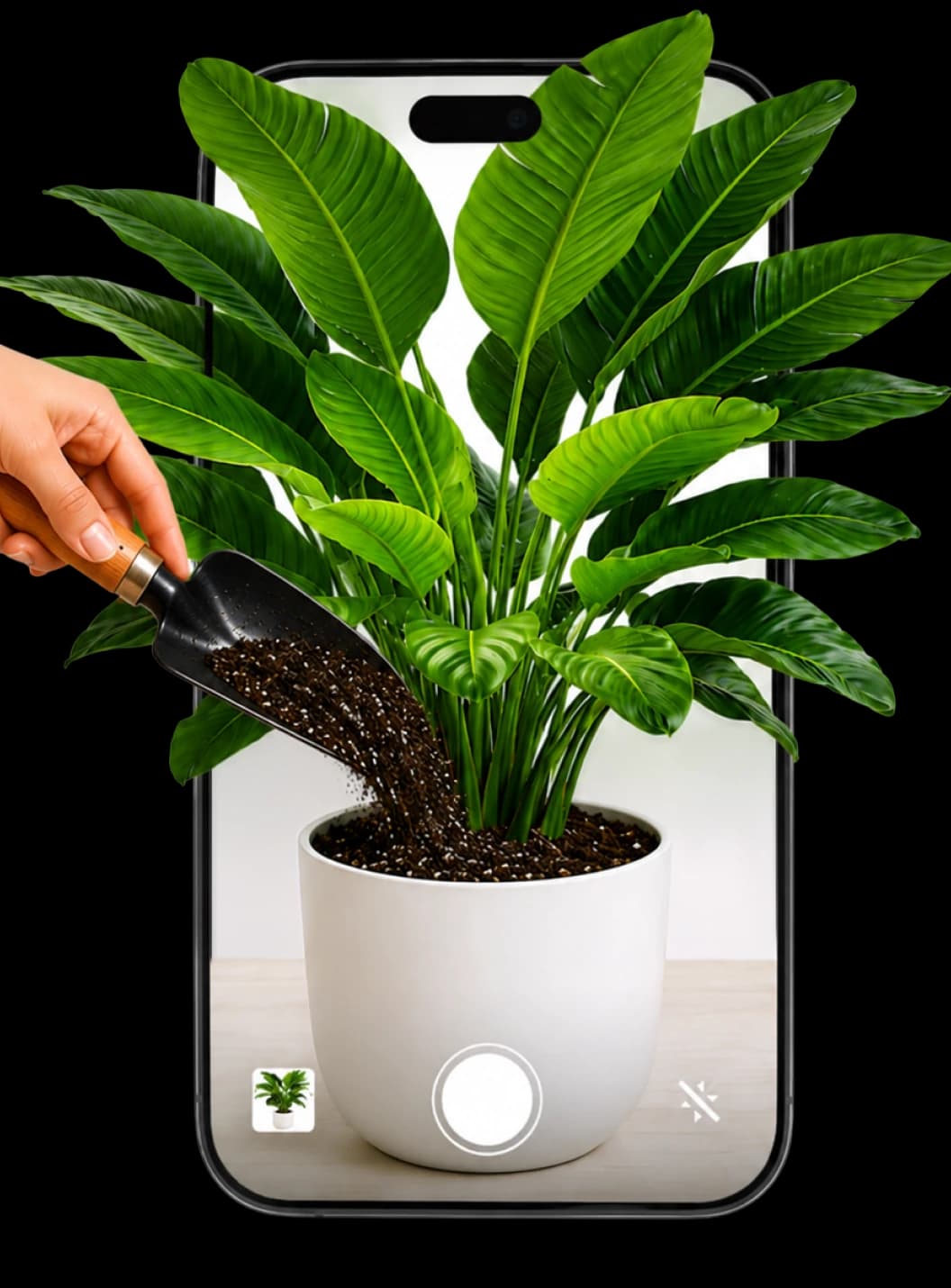
A simple homemade blend can give Dioscorea elephantipes the balance of airflow and light moisture-holding it needs in a container.
The finished mix should feel gritty, open, and crumbly, with quick runoff and very little compaction after watering.
Elephant's Foot Plant does best in slightly acidic to neutral soil, around 6.5–7.0 pH. That range supports balanced nutrient availability without making key minerals harder for the roots to take up.
Dioscorea elephantipes is not known for needing a highly specialized pH, but staying near neutral helps keep the root zone chemically stable in containers over time.
This species is more sensitive to stale, compacted root conditions than many common houseplants. Check the soil first when growth seems off or the caudex sits in a persistently damp mix.
Compacted mix: if the surface hardens and water stops soaking in evenly, gently loosen the top layer and replace part of the old medium with a fresher, more open blend.
Staying wet too long: if the container still feels heavy days later, improve airflow around the root zone and check whether the pot is holding more moisture than needed.
Crusted surface: a pale, stiff crust can suggest mineral buildup, so scrape off the top layer and refresh it with clean material.
Fungus gnats: repeated gnat activity often points to overly moist upper soil, so let the surface dry more between checks and remove debris resting on top.

Plant Soil Guide
Find the right soil mix for your plant and support healthier root growth
Botan helps match this plant to a more suitable soil setup, so texture, drainage, and container conditions are easier to judge.
Yes. Drainage holes are strongly recommended because they let excess water leave the container instead of collecting around the roots and lower caudex area, which helps maintain healthier Elephant's Foot Plant soil conditions.
Use Botan’s photo-based assessment to check whether a visible issue may be linked to soil conditions and decide what to review next.


6 min read · 19 Aug 2026
A plant can lose its leaves, stop growing, or collapse and still remain alive. A closer look at the stems, roots, bulbs, and tubers can show whether the plant still has a chance to recover.

6 min read · 4 Aug 2026
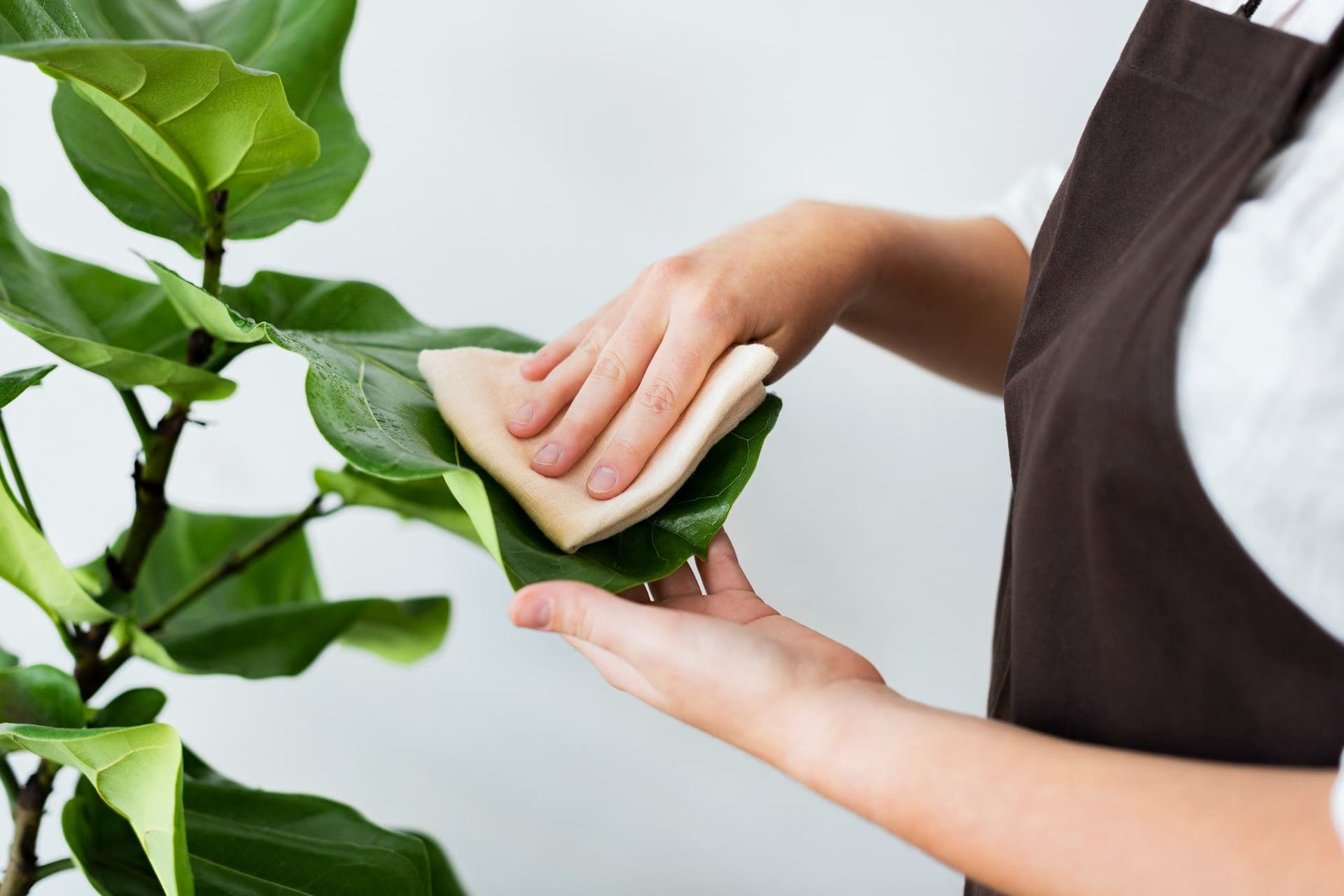
Dusty leaves look dull and don't absorb light well. Below, you'll find simple ways to clean them, which tools are truly effective, how often you should do it, and what causes damage.

8 min read · 14 Aug 2026
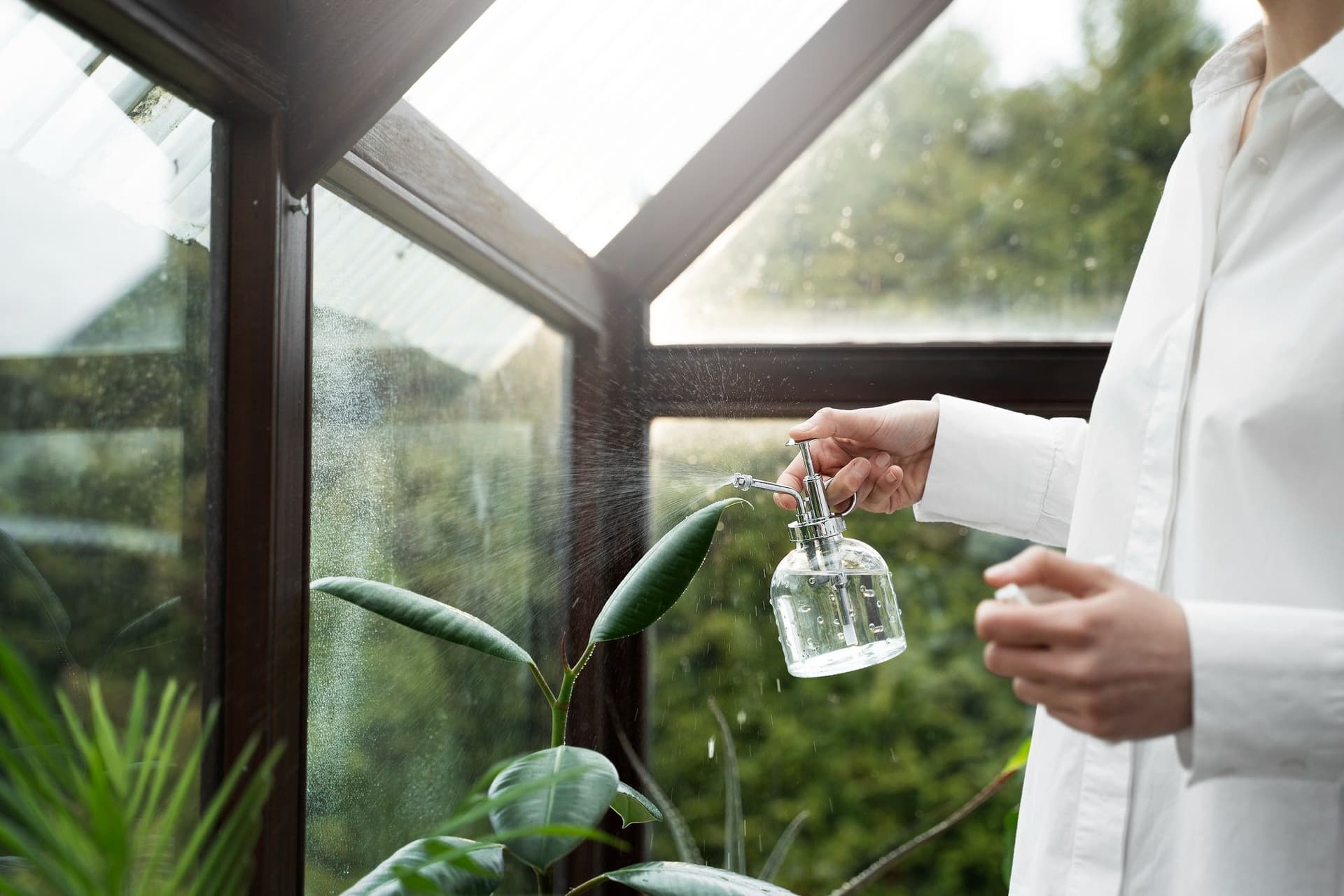
Dry indoor air stresses a lot of houseplants. You usually notice it first in the browning leaf tips. This guide describes 8 simple ways to raise the moisture around your plants, from humidifiers to pebble trays.