



Best Soil for Zebra Haworthia (Haworthiopsis attenuata)

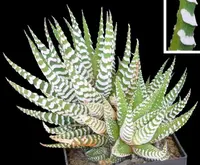
For Haworthiopsis attenuata, a gritty, fast-draining mix with slight acidity supports healthier roots and steadier long-term growth.

Soil Texture

Sandy, Loamy, Rocky

Soil pH

Acidic (5.5–6.5), Slightly acidic (6.5–7.0)

Soil Drainage

Well-drained

Haworthiopsis attenuata Soil Guide

Native to South Africa, Haworthiopsis attenuata grows in dry, rocky ground where water moves through quickly and roots get plenty of air. That background explains why it prefers a gritty, mineral-leaning substrate rather than rich, dense potting soil.

The best soil for Zebra Haworthia is loose, sandy to loamy, and sharply well-drained, with enough fine material to hold light moisture for a short time. Its small succulent roots handle brief drying well, so fast drainage and good aeration matter more than high organic content.

A homemade mix gives better control over texture than many standard houseplant blends. For Haworthiopsis attenuata, the goal is a coarse mix that stays airy.

100% total mix = 20 scoops
10%
small gravel or chicken grit2 scoops
20%
coarse sand4 scoops
30%
pumice or perlite6 scoops
40%
cactus potting soil8 scoops

When blended, it should look gritty and feel light in the hand, with water passing through quickly instead of lingering around the roots.

A slightly acidic to mildly acidic range of about 5.5–7.0 suits Zebra Haworthia well. Within that range, key nutrients stay available without pushing the root zone too far toward acidity or neutrality.

Haworthiopsis attenuata usually handles small pH shifts, but staying near the middle of that range supports steadier nutrient uptake over time. Strongly alkaline or very acidic conditions can make some nutrients harder for the roots to access.

This species is especially sensitive to stale, compacted root conditions. Soil can be one possible factor to check when growth seems less steady or the base stays damp too long.

Compacted mix:

Dense soil that dries slowly or feels tight around the roots can limit airflow, so loosen the issue by moving into a fresher, more open medium.

Staying wet too long:

If the container still feels heavy days later, the root zone may be holding excess moisture, so check drainage and reduce moisture-retentive material.

Crusted surface:

A hard top layer can slow air exchange and water movement, so gently break the crust and replace the upper layer if needed.

Old, collapsed substrate:

With time, Haworthiopsis attenuata soil can break down into finer particles that drain poorly, so refresh it when the mix no longer feels loose and gritty.

Better Soil Starts Here

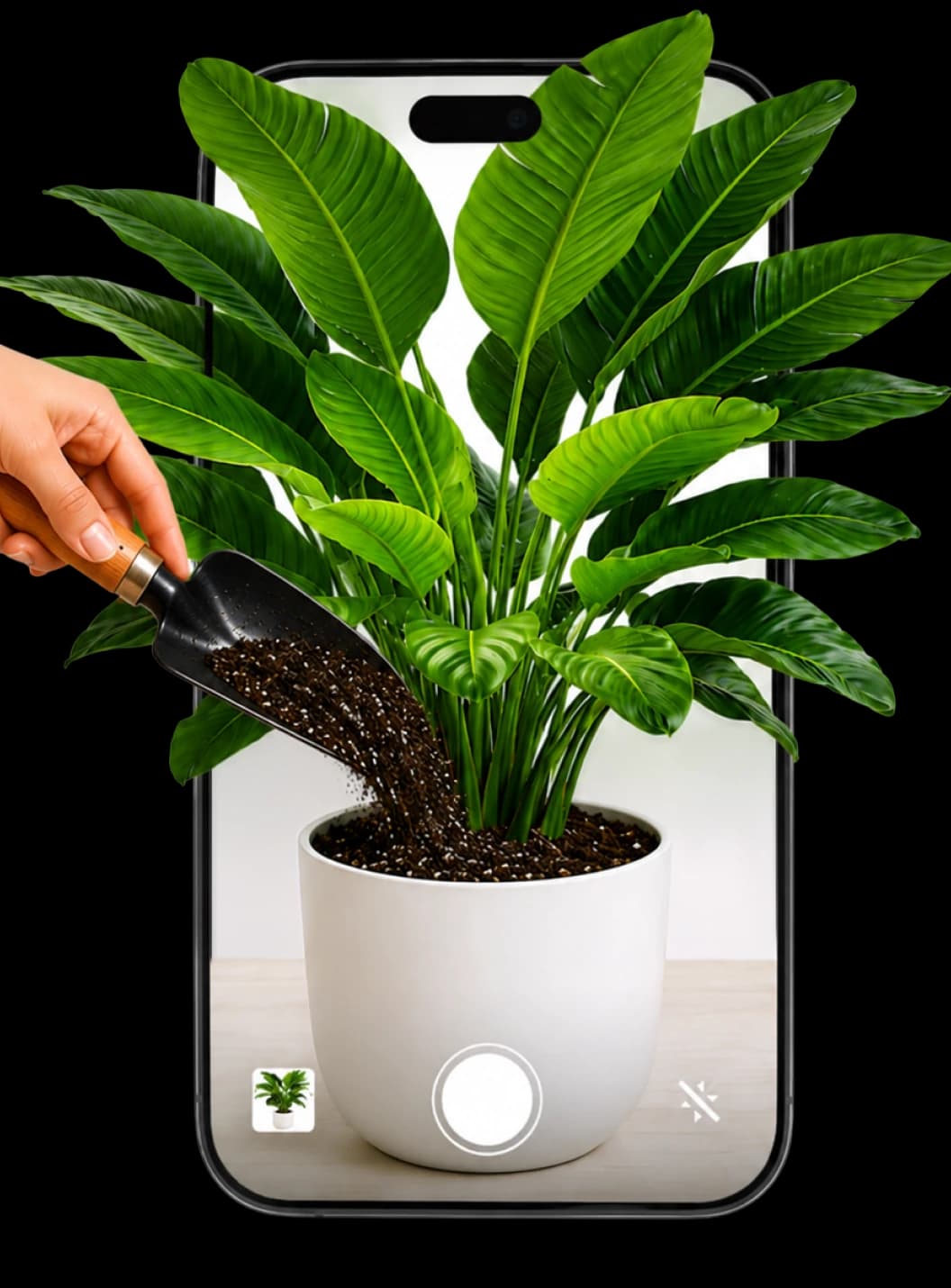
Botan helps match this plant to a more suitable substrate so it is easier to choose soil that fits its growth habit.

FAQ

Yes. Drainage holes are strongly recommended because they let excess water leave the pot and help the root zone stay better aerated, which supports a more reliable Zebra Haworthia soil environment.

Everything About Zebra Haworthia

More Plant Soil Guides

Check What the Soil Is Doing

A photo check can help show whether the growing medium may be contributing to visible decline. Botan helps narrow down what to inspect next.

Botan app helping with soil and plant care
How to Use a Moisture Meter for Plants

5 min read · 4 Sept 2026

How to Use a Moisture Meter for Plants

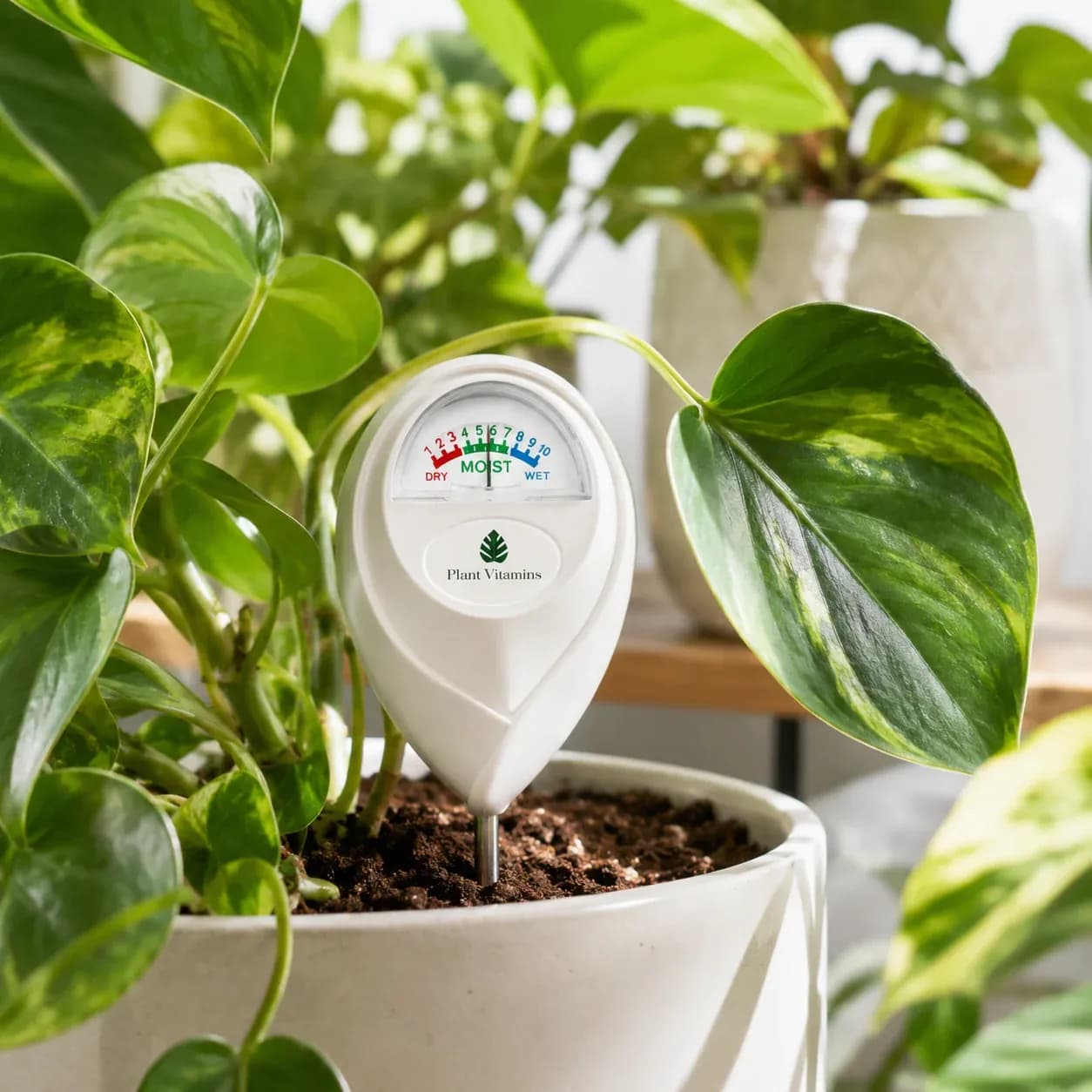
Watering by feel kills plenty of houseplants. A moisture meter checks the soil for you, and takes the guesswork out of it. This guide will show you how to use it correctly, from the first touch to the final reading.

Beginner Guides
How to Use a Moisture Meter for Plants
Top 15 Plants That Don’t Need Sunlight

8 min read · 17 Sept 2026

Top 15 Plants That Don’t Need Sunlight

Some plants thrive in dim rooms, shaded corners, and places with indirect light. In this guide, you’ll explore the top 15 species best suited to low-light conditions and how to care for them.

Plant Recommendations
Top 15 Plants That Don’t Need Sunlight
Is Sugar Water Good for Plants?

4 min read · 14 Sept 2026

Is Sugar Water Good for Plants?

Sugar water may sound like an easy boost, but most rooted plants do not need extra sucrose. This guide explains how green tissues produce carbohydrates, when a sweetened solution can be useful, and why too much can cause problems.

Plant Care
Is Sugar Water Good for Plants?