



Best Soil for rattlesnake plant (Calathea crotalifera)

Calathea crotalifera grows best in a loose, organic-rich mix that holds even moisture while letting roots breathe and expand steadily.

Soil Texture

Loamy, Peaty, Organic-rich

Soil pH

Acidic (5.5–6.5)

Soil Drainage

Moist but well-drained

Calathea crotalifera Soil Guide

Native to tropical Central and South America, Calathea crotalifera grows in warm, humid conditions where the ground stays evenly moist but not stagnant. That background explains its preference for soil that holds some moisture while still letting excess water move through.

A loose, loamy, organic-rich substrate suits its fine roots because it provides both air and steady hydration. Slightly acidic rattlesnake plant soil also matches the chemistry of decomposing forest organic matter, supporting healthy root function without becoming dense or waterlogged.

A simple homemade mix helps Calathea crotalifera stay evenly rooted without becoming dense. Use ingredients that balance moisture retention with airflow.

100% total mix = 20 scoops
10%
fine orchid bark2 scoops
20%
perlite or pumice4 scoops
30%
high-quality potting soil6 scoops
40%
peat moss or coco coir8 scoops

The finished blend should feel light, springy, and slightly fluffy, with water moving through at a moderate pace instead of sitting around the roots.

A slightly acidic range of about 5.5–6.5 pH suits rattlesnake plant best. In that range, key nutrients stay more available, which supports steady root function and balanced growth.

If the pH drifts too far above or below that window, nutrient uptake can become less efficient even when the mix itself seems suitable.

This species can react poorly when the root zone stays stressed for long periods. With Calathea crotalifera, check the soil first before assuming another cause.

Compacted mix:

Dense soil can limit airflow and slow drainage; gently loosen the top layer and plan to replace the mix if it stays tight after watering.

Waterlogged root zone:

A sour smell or soil that stays heavy for days may point to excess saturation; pause extra moisture and confirm the pot drains freely.

Hydrophobic soil:

If the surface shrinks from the pot edge or sheds water, the mix may have dried too hard; rewet it gradually so moisture spreads evenly again.

Salt buildup:

A pale crust on the surface can interfere with root uptake; flush the container thoroughly and remove the top layer if residue remains.

Right Plant. Right Soil.

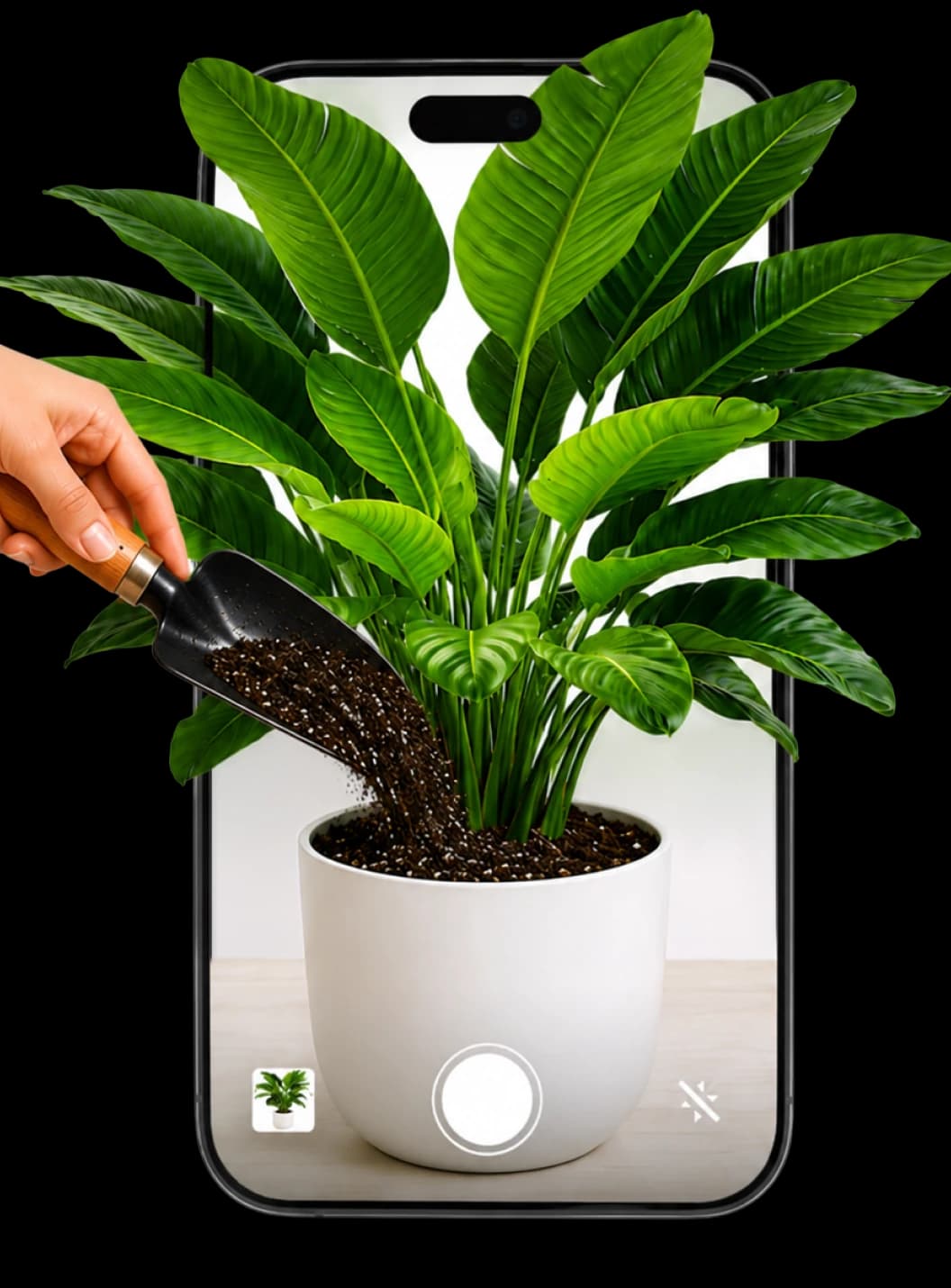
Botan helps match this plant to a more suitable soil setup, so mix and drainage choices are easier to judge before problems build.

FAQ

Yes. Drainage holes help excess water leave the pot, which lowers the risk of stagnant conditions around the roots and keeps the mix more balanced over time.

More Plant Soil Guides

Scan for Soil Problems

Use Botan’s photo-based assessment to check whether a visible issue may be linked to soil conditions and decide what to examine next.

Botan app helping with soil and plant care
12 Most Wanted Rare Houseplants to Grow at Home

6 min read · 21 Sept 2026

12 Most Wanted Rare Houseplants to Grow at Home

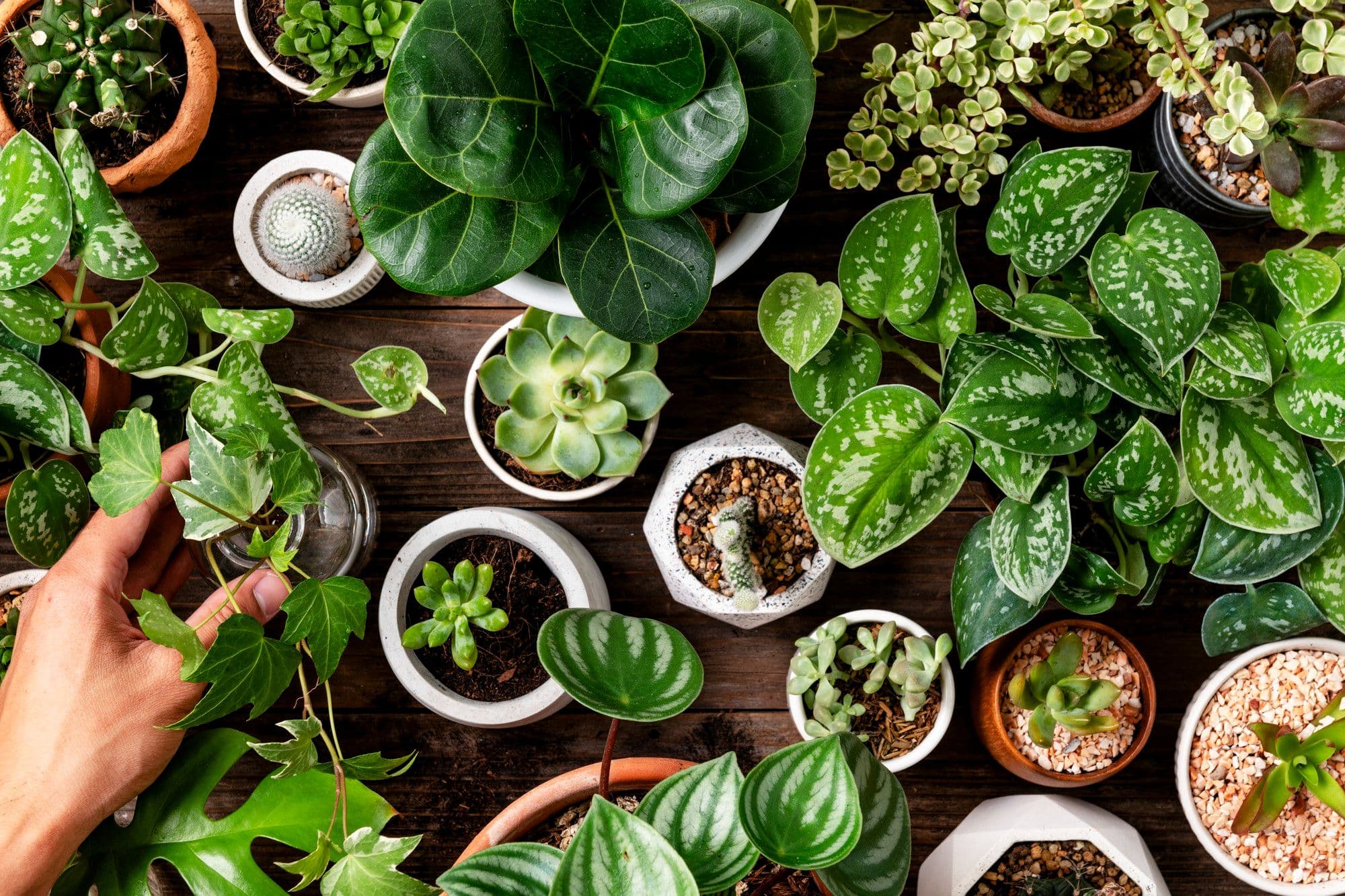
Rare houseplants can turn an ordinary corner in your apartment into a living botanical collection. This guide covers 12 most admired picks, what makes them special, and how to grow them successfully at home.

Plant Recommendations
12 Most Wanted Rare Houseplants to Grow at Home
What Do Plants Need to Grow – 5 Things Every Greenery Can't Live Without

8 min read · 31 Jul 2026

What Do Plants Need to Grow – 5 Things Every Greenery Can't Live Without

To keep plants healthy and thriving, provide the right balance of light, humidity, nutrients, airflow, and quality soil. This guide covers the essentials of year-round plant care.

Beginner Guides
What Do Plants Need to Grow – 5 Things Every Greenery Can't Live Without
13 Best Front Yard Trees for Every Home and Yard

12 min read · 7 Aug 2026

13 Best Front Yard Trees for Every Home and Yard

A front yard tree can stay for decades. Therefore, choosing one deserves serious consideration. Here are 13 trees that have proven themselves, sorted by their purpose. You'll also find five species to avoid and basic planting information.

Plant Recommendations
13 Best Front Yard Trees for Every Home and Yard