

rattlesnake plant (Calathea crotalifera) Watering Guide

This page explains when, how often, and how much to water Calathea crotalifera for consistent, appropriate moisture.

Water Requirements

Keep Soil Moist

Calathea crotalifera Watering

This tropical understory plant comes from humid forest conditions with leaf litter that stays lightly moist, not soggy. Calathea crotalifera prefers consistently gentle moisture, with the surface starting to dry but deeper soil staying slightly damp.

Indoors, watering rattlesnake plant means maintaining this steady moisture without letting the pot sit dry or saturated. Outdoors in warm climates, natural humidity and rainfall often supplement watering, but containers usually need more frequent attention than in-ground plantings.

Let the top 1–2 inches (3–5 cm) of soil dry before watering again, keeping the deeper soil lightly moist but never saturated. This often means watering about once a week in warm, bright indoor conditions, with slightly less frequent watering during cooler months or in lower light.

Water rattlesnake plant when the top 1 inch (2–3 cm) of soil feels dry, keeping moisture even but never saturated.

  • Pour room-temperature water slowly over the soil surface until it flows from the drainage holes, then stop immediately.
  • Let the pot drain fully in a sink or tray, then discard any standing water after 10 minutes.
  • Keep the crown and leaves dry; direct water only to the soil to limit fungal growth on foliage.

Incorrect moisture levels disrupt Calathea crotalifera health, stressing roots, foliage, and overall growth significantly.

Crisp Leaf Edges:

Brown, crackling margins usually signal underwatering combined with low humidity and prolonged dry soil.

Yellowing Lower Leaves:

Older leaves turning uniformly yellow often indicate chronically soggy potting mix and suffocating roots.

Drooping Foliage:

Limp, folding leaves can result from either very dry soil or recent heavy overwatering.

Mushy Roots:

Soft, dark roots with sour odor reflect extended waterlogging, poor drainage, or a pot without holes.

White Crust On Soil:

Powdery deposits on the surface suggest mineral buildup from hard water and shallow, frequent watering.

Keep roots evenly moist in airy, well-draining mix, avoiding both bone-dry cycles and waterlogged conditions.

Poor watering habits disrupt moisture around Calathea crotalifera roots, stressing this humidity-loving rattlesnake plant and slowing healthy growth.

  • Watering by calendar: Following a fixed schedule ignores changing light and temperature; instead, water when the top soil layer feels slightly dry, not on set dates.
  • Heavy, compact soil: Using dense soil keeps water around roots too long; choose a light, peat-free, chunky mix that drains yet holds gentle moisture.
  • Letting saucers fill: Leaving runoff in a saucer soaks lower roots continuously; empty saucers soon after watering to restore gentle moisture balance.

Aim for evenly moist, never waterlogged soil, adjusting timing to room conditions so the root zone gently dries between thorough waterings.

  • Spring: Increase watering slightly as new leaves emerge, keeping soil evenly moist but allowing the top 0.5 inch to dry between waterings.
  • Summer: In higher heat and brighter light, check soil more often and water when the surface just begins to dry, maintaining steady humidity.
  • Fall: Gradually reduce watering frequency as growth slows, letting the top layer dry a bit longer while avoiding complete soil dryness.
  • Winter: With cooler temperatures and slower growth, water less often but do not let the root zone dry out or stay soggy.

Find the Right Watering Routine for Your rattlesnake plant

Botan offers a clear watering guide and care steps for Calathea crotalifera, and can also review plant photos to help notice early signs of stress or emerging issues.

Botan plant care app — identify plants on mobile

FAQ

Water when the top 1–2 inches (3–5 cm) of soil feel barely dry, usually every 5–7 days in warm seasons and 7–14 days in cooler months. Adjust how often to water based on temperature, light, and pot size.

Everything About rattlesnake plant

More Plant Watering Guides

Is Your Watering Routine Hurting Your rattlesnake plant?

Use Botan to review your watering pattern and adjust it with confidence.

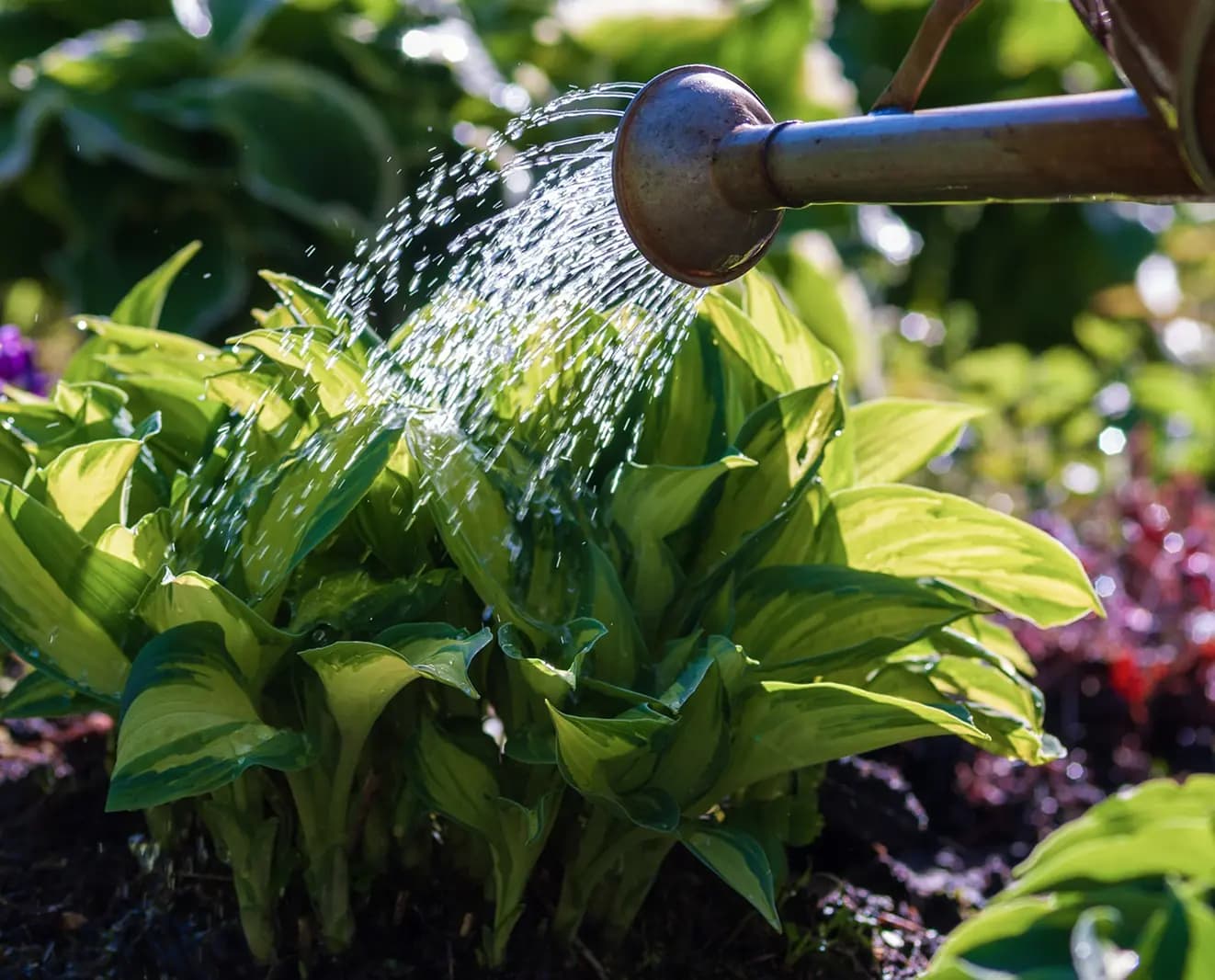
Watering a plant with a copper watering can
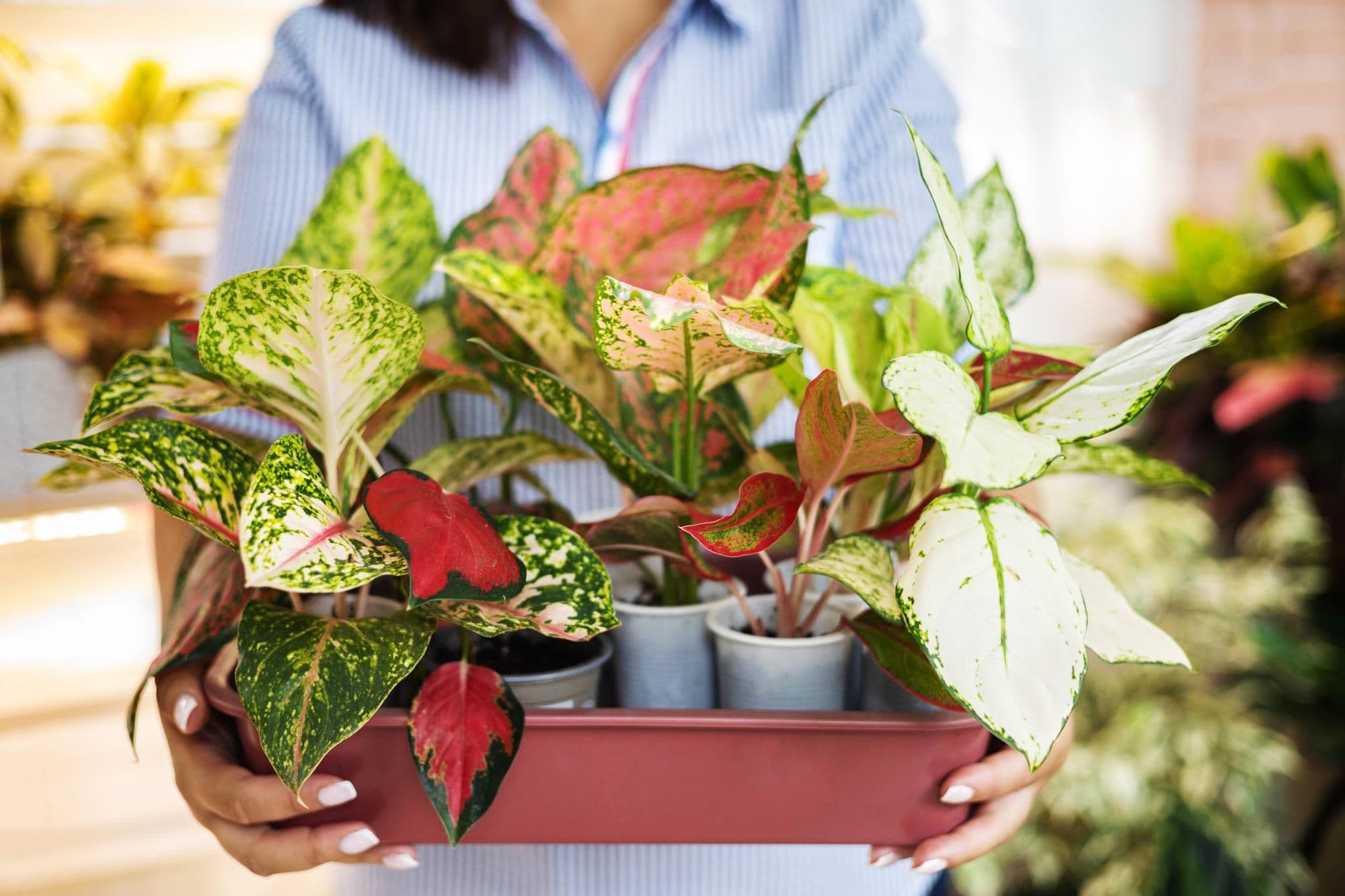
12 Most Wanted Rare Houseplants to Grow at Home

6 min read · 21 Sept 2026

12 Most Wanted Rare Houseplants to Grow at Home

Rare houseplants can turn an ordinary corner in your apartment into a living botanical collection. This guide covers 12 most admired picks, what makes them special, and how to grow them successfully at home.

Plant Recommendations
12 Most Wanted Rare Houseplants to Grow at Home
Best Time to Mow Lawn – A Complete Guide

5 min read · 10 Aug 2026

Best Time to Mow Lawn – A Complete Guide

Explore when to mow your lawn for its health and a pleasant green color. Find out the best time for this task during the summer heat, and follow practical tips for correctly cutting the grass, and learn common mistakes to avoid.

Plant Care
Best Time to Mow Lawn – A Complete Guide
How Often to Water Fruit Trees

7 min read · 11 Aug 2026

How Often to Water Fruit Trees

Irrigation needs change as roots establish and weather shifts. This guide gives practical starting intervals, explains how soil and tree type change them, and shows how to recognize both excess moisture and drought stress.

Plant Care
How Often to Water Fruit Trees