Jade plant (Crassula ovata) Watering Guide

This page explains when, how often, and how much to water Crassula ovata in straightforward, practical terms.

Water Requirements

Low Water

Crassula ovata Watering

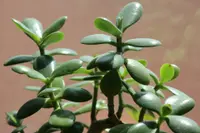
Native to arid, rocky regions, Jade plant experiences brief rainfall followed by long dry periods, so soil moisture stays low. Crassula ovata grown indoors prefers soil that dries between waterings rather than consistent dampness.

In containers or outdoor beds, watering Jade plant follows the same principle: let the mix lose most surface moisture first. This page outlines how to water Jade plant in simple steps before exploring situation-specific adjustments.

Let the top 1–2 inches (3–5 cm) of soil dry completely before watering again; the pot should feel noticeably lighter. Indoors, this usually means watering about every 2–4 weeks. Expect shorter intervals in bright, warm light and longer ones in cooler rooms or during winter dormancy.

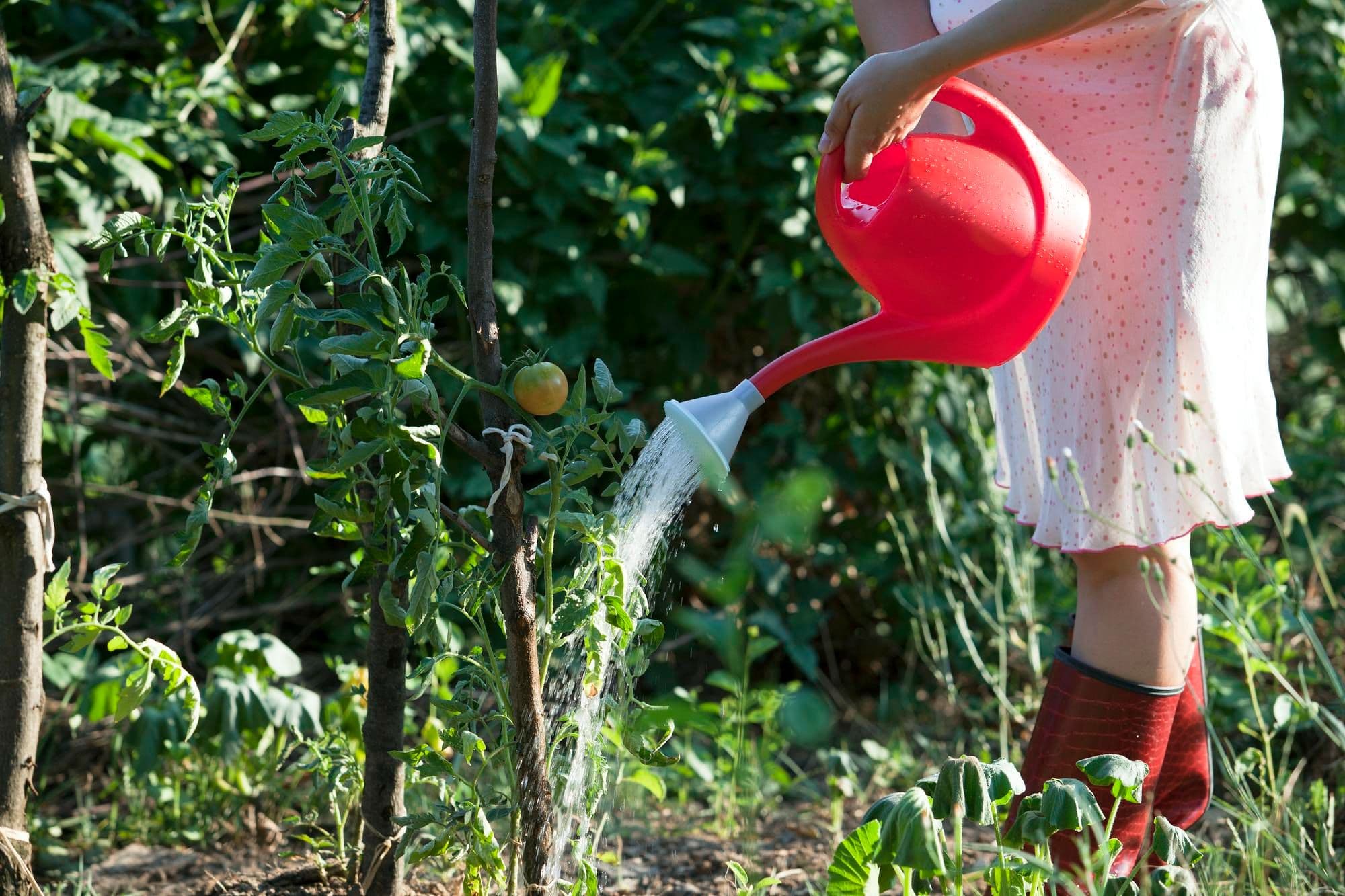
Water when the top 1-2 inches (3-5 cm) of soil feel completely dry; use a slow, thorough soak for Jade plant.

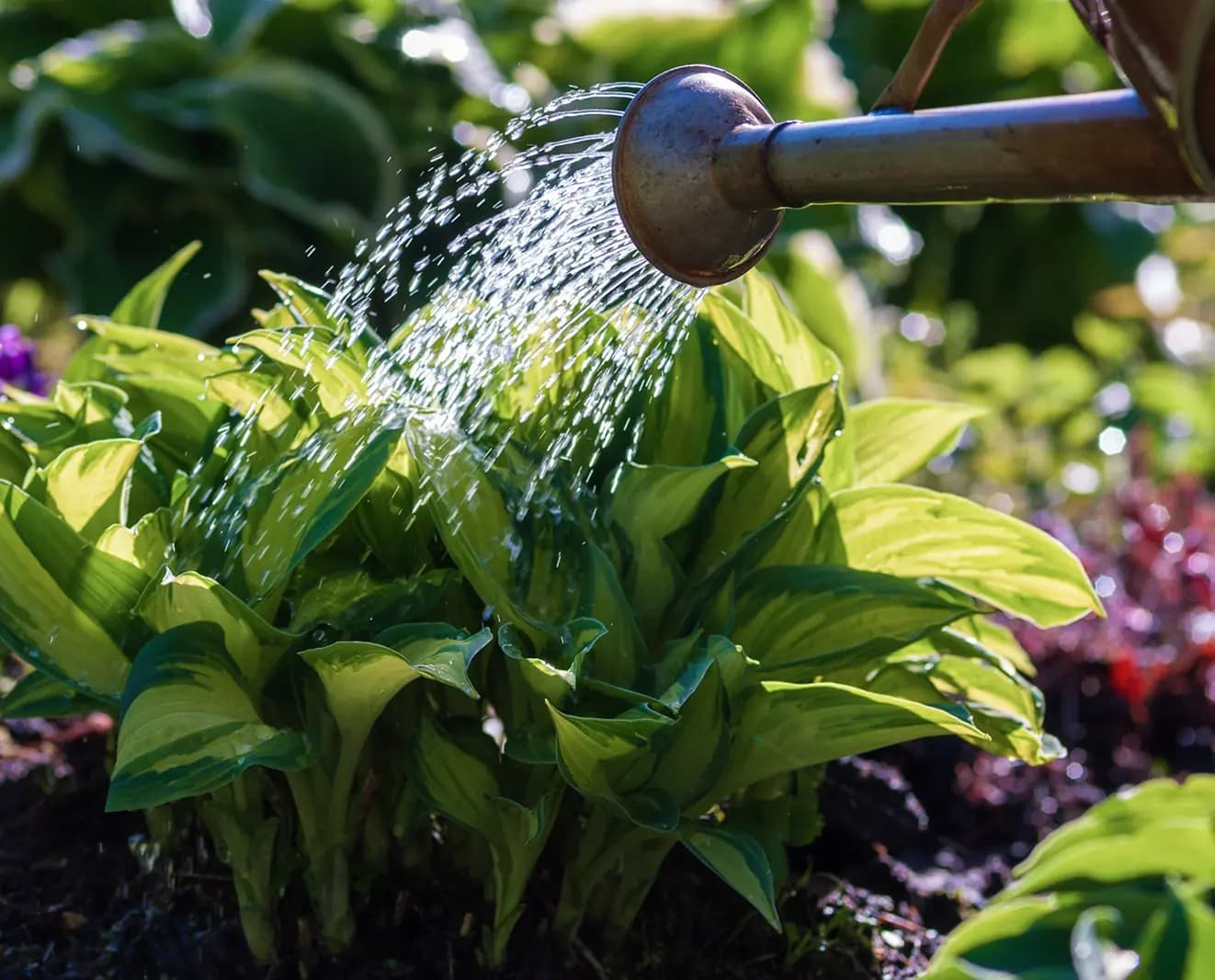
  • Pour room-temperature water slowly over the soil surface, keeping stems and leaves dry to prevent trapped moisture in crevices.
  • Continue watering until liquid runs from the drainage holes, ensuring the entire root ball is evenly moistened.
  • Allow the pot to drain freely for several minutes, then empty any saucer so roots do not stand in water.
  • For potted plants, top watering is preferred; it helps flush built-up minerals from the potting mix over time.

Incorrect moisture levels can damage Crassula ovata health and stability over time.

Mushy Yellowing Leaves:

Lower leaves feel soft and waterlogged, indicating excess moisture and poor drainage around roots.

Shriveled Wrinkled Leaves:

Foliage looks thin and puckered because the root zone stays dry for long stretches.

Blackened Root System:

Roots appear dark and slimy, a sign of chronic overwatering and suffocating soil.

Sudden Leaf Drop:

Previously firm leaves fall easily after repeated cycles of heavy watering and deep drying.

Let the soil dry most of the way, then water thoroughly and drain completely.

Poor watering habits can stress Crassula ovata, making jade plant growth weak and shortening the life of thick, stored-water leaves.

  • Watering by calendar: Following a fixed schedule instead of checking soil dryness keeps it wet too long; wait until at least the top half dries first.
  • No drainage holes: Using a pot without drainage traps excess water around the roots; choose a container with open holes and an empty saucer.
  • Dense, moisture-holding soil: Planting in regular potting mix holds too much water; use a gritty succulent blend that dries out more quickly.

Safer watering means letting the soil dry deeply, then soaking once through and letting all extra moisture drain away freely.

  • Spring: Growth usually resumes, so let soil dry fully, then water more attentively when leaves look plump and light is strong.
  • Summer: In hot, bright conditions, monitor soil more often, but still wait for full dryness to avoid rot in thick roots.
  • Fall: As days shorten, reduce watering frequency, extending dry periods to slow growth and prevent swollen, splitting leaves.
  • Winter: With cooler temperatures and slower growth, water sparingly after a thorough dry-out, especially for indoor plants under weak light.

Not Sure When to Water? Botan Knows

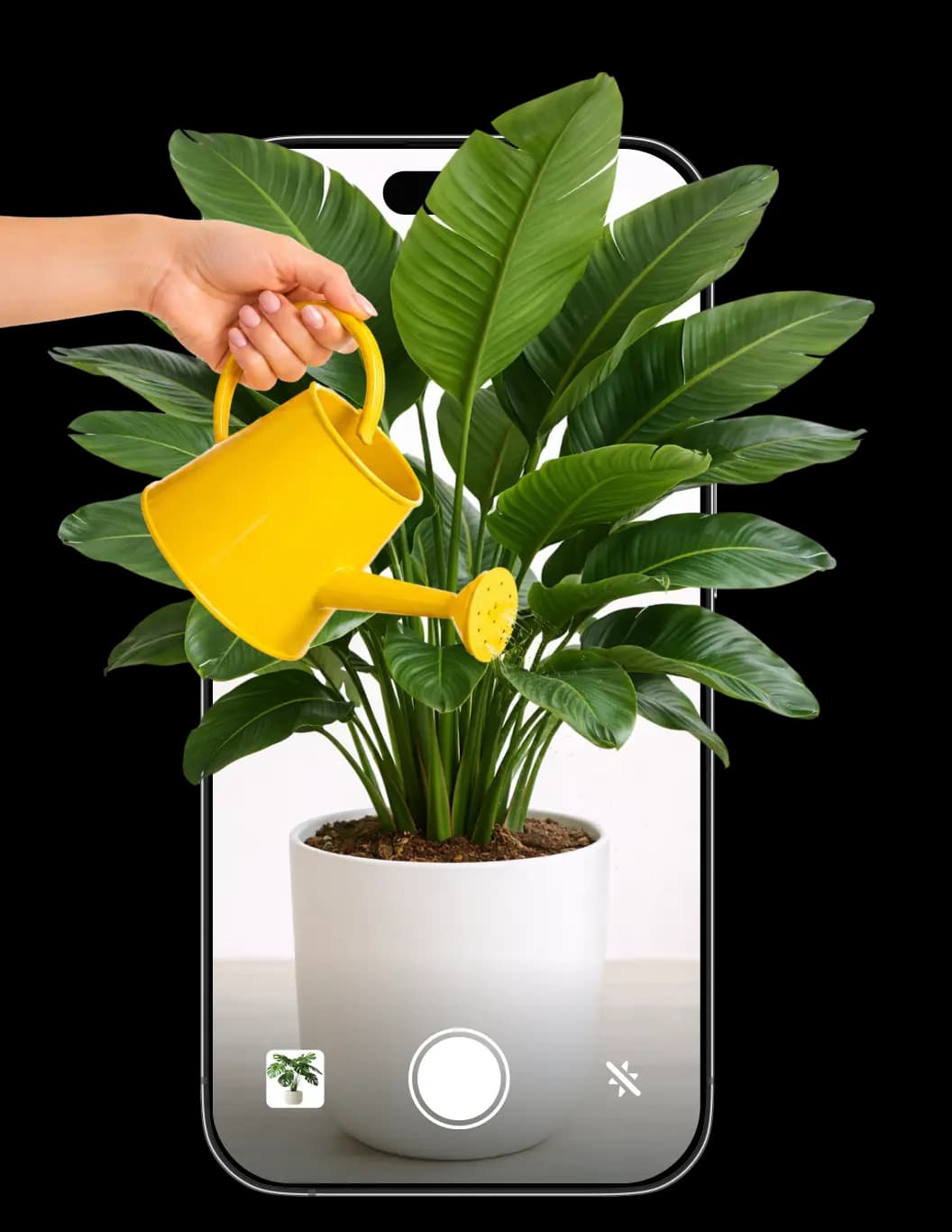
Use Botan for a clear watering guide and care reminders for your Jade plant, plus gentle photo-based checkups that help flag early signs of stress or emerging issues.

Botan plant care app — identify plants on mobile

Interesting Watering Facts

Winter Rain Growth Pulse

In its native South African range, this species grows during winter when most rain falls, then slows or partially sheds leaves in the dry summer, which is why in cultivation it usually prefers slightly more water in cooler, brighter months than in hot midsummer heat.


Leaves Store Seasonal Rain

The thick, glossy leaves act as water reservoirs that fill during periodic coastal and inland rains, allowing the plant to survive long dry gaps; in pots this storage means it tolerates underwatering better than many houseplants but is highly prone to root rot if watered too frequently.

Shallow, Opportunistic Roots

Crassula ovata forms relatively shallow roots that can rapidly absorb brief surface moisture from light showers or dew in rocky soils, so in containers it responds well to thorough but infrequent watering that fully wets a fast-draining mix, then dries significantly before the next soak.

FAQ

Yes. In low light, growth slows and the potting mix stays wet longer. Let the soil dry deeper between waterings and check moisture carefully to avoid root rot from excess water.

More Plant Watering Guides

Is Your Watering Routine Hurting Your Jade plant?

Botan quickly reviews your watering routine so adjustments are simpler and more confident.

Watering a plant with a copper watering can
Rice Water for Plants – Which Plants Love It and How to Make It

8 min read · 14 Jul 2026

Rice Water for Plants – Which Plants Love It and How to Make It

Rice water can be an ideal DIY solution for orchids, roses, or fruiting plants. It supports growth, leaf count, and height. We’ll share how to make and apply it correctly for your plant.

Plant Care
Rice Water for Plants – Which Plants Love It and How to Make It
What Do Plants Need to Grow – 5 Things Every Greenery Can't Live Without

8 min read · 31 Jul 2026

What Do Plants Need to Grow – 5 Things Every Greenery Can't Live Without

To keep plants healthy and thriving, provide the right balance of light, humidity, nutrients, airflow, and quality soil. This guide covers the essentials of year-round plant care.

Beginner Guides
What Do Plants Need to Grow – 5 Things Every Greenery Can't Live Without
How to Bottom Water Plants: Complete Guide

6 min read · 13 Jul 2026

How to Bottom Water Plants: Complete Guide

Bottom watering helps soil absorb moisture evenly and keeps foliage dry, reducing the risk of missed dry spots or root problems. Place the pot in a tray of water for a short time, then let it drain well.

Plant Care
How to Bottom Water Plants: Complete Guide