

Jade plant (Crassula ovata) Light Needs

Jade plant grows best in bright indirect light with several hours of gentle direct sun.

Light Preference

Bright Indirect Light

Crassula ovata Light Requirements

Crassula ovata is native to rocky, dry areas of South Africa and Mozambique, where plants grow in open scrub and on slopes with strong seasonal sun. The thick leaves store water and tolerate bright exposure, but sheltered plants may also receive filtered light from nearby shrubs. In cultivation, similar brightness keeps growth compact and sturdy. Preferred light is bright indirect light with some direct sun.

  • Ideal exposure:

    Ideal exposure: Jade plant needs about 6–8 total hours of bright light daily, ideally bright indirect or filtered light with 3–4 hours of gentle direct morning sun.

  • Direct sun:

    Mature, acclimated plants can tolerate longer direct sun, but sudden hot afternoon exposure can scorch leaves.

  • Lower light:

    Dim rooms keep the plant alive for a while, but growth often becomes stretched and weak.

  • Afternoon sun:

    In hot windows, filter intense rays or set the pot back 1–2 ft from the glass.

Indoors, choose the brightest window area that offers direct sun without sudden intense heat.

NPoor
North-facing window:

A north-facing window is usually too dim unless it is very unobstructed and the room is exceptionally bright.

EBest
East-facing window:

An east-facing window is often ideal because it provides gentle morning sun and bright light for much of the day.

SBest
South-facing window:

A south-facing window is excellent if the plant is acclimated and protected from very hot midday glass.

WConditional
West-facing window:

A west-facing window can work, but afternoon rays may need filtering or a 1–3 ft setback.

Move the pot gradually when changing exposure so leaves can adjust to stronger light.

Excess light usually appears after a sudden move into stronger sun.

Bleached patches:

Pale tan or whitish areas may form on upper, sun-facing leaves after abrupt exposure.

Corky scars:

Damaged spots can dry into rough brown patches that do not turn green again.

Red margins:

A red edge can be a normal bright-light response, but intense color with pale patches suggests stress.

Heat-facing lean:

Leaves closest to hot glass may look dull or flattened compared with shaded inner growth.

Shift Crassula ovata out of harsh afternoon sun and use a sheer curtain if the glass gets hot. Reintroduce direct sun in small increases over 1–2 weeks.

Low light changes the plant’s shape before it causes obvious decline. Watch new growth most closely.

  • Stretched stems:

    New shoots may grow long, thin, and less upright as they reach toward brighter light.

  • Wide spacing:

    Leaves may sit farther apart along the stem instead of forming compact clusters.

  • Smaller leaves:

    New leaves can appear reduced in size, especially during spring and summer growth.

  • One-sided growth:

    The plant may lean strongly toward the window and become uneven.

  • Poor blooming:

    Mature Crassula ovata is less likely to flower indoors when light stays weak.

Move it to a brighter exposure in stages, starting with morning sun. Rotate the pot after relocation to rebuild a balanced shape.

If ideal sun is limited, place the pot in the brightest available area and prioritize a few hours of morning sun over dim all-day light.

Rotate the pot a quarter turn every 1–2 weeks during active growth to keep stems upright and leaf spacing even.

Avoid deep room placement because distance from glass quickly reduces usable light and encourages stretched growth.

Get Personalized Care Plan

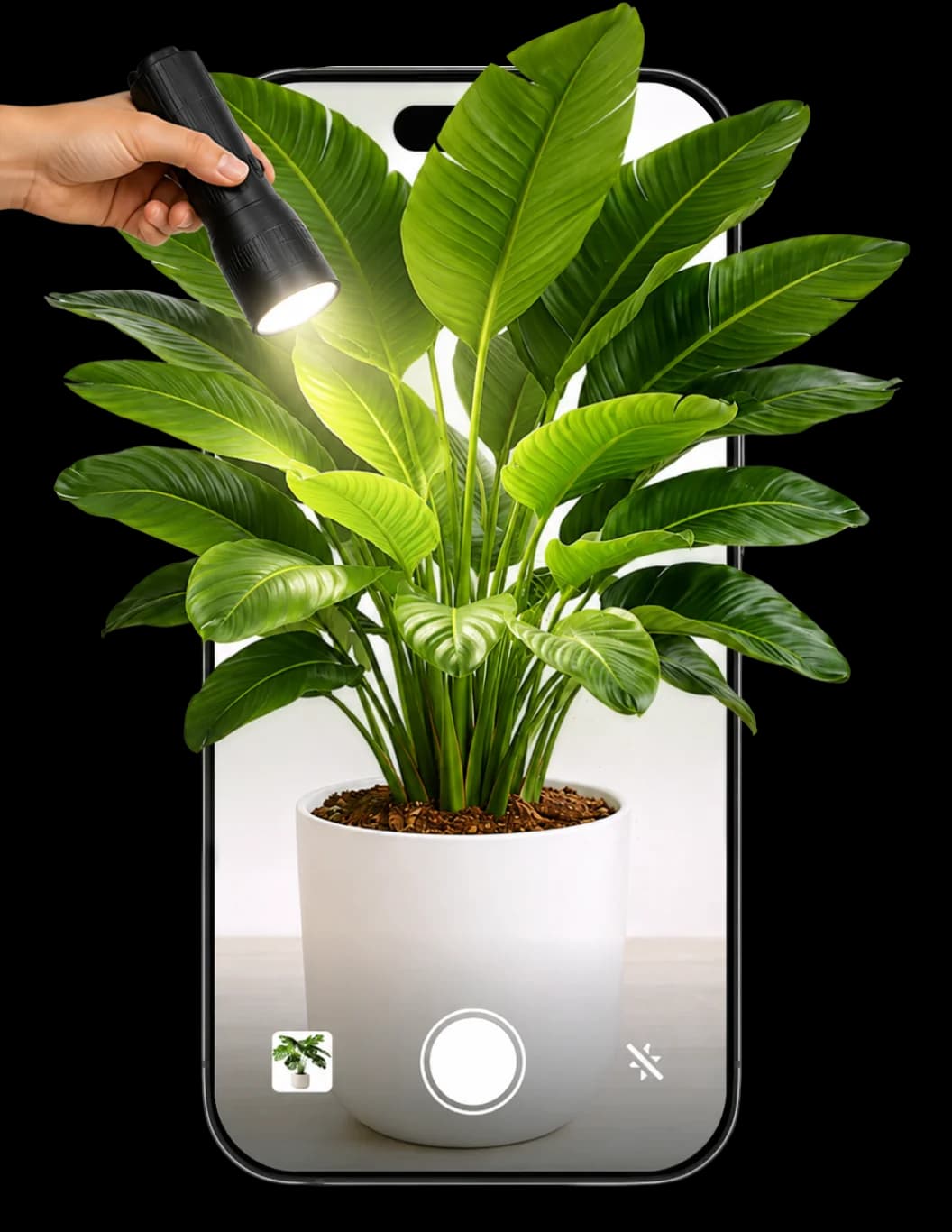
Scan your plant to receive care tips personalized for your specific plant

FAQ

The best light for Jade plant is bright indirect light with several hours of gentle direct sun. This supports compact stems, firm leaves, and steadier active-season growth.

More Plant Light Guides

Get the Botan App

Discover how to care for your plants with Botan.

Botan app identifying a plant with a phone camera
Thorny Plants: A Comprehensive Guide

10 min read · 25 Aug 2026

Thorny Plants: A Comprehensive Guide

Many plants defend themselves with sharp thorns. This guide explores over 20 examples among flowers, shrubs, trees, and vines. You'll learn what each plant looks like, why it grows thorns, and how to quickly identify them.

Plant Recommendations

Thorny Plants: A Comprehensive Guide
Frozen vs Fresh Vegetable Nutrients: Which Option Is Healthier?

6 min read · 8 Sept 2026

Frozen vs Fresh Vegetable Nutrients: Which Option Is Healthier?

Frozen and fresh vegetables are nutritionally comparable: frozen produce often retains vitamins just as well as fresh and may sometimes contain more. Here’s how blanching and storage affect nutrients—and when to choose each.

Plant Recommendations
Frozen vs Fresh Vegetable Nutrients: Which Option Is Healthier?
Can Plants Grow With Artificial Light?

6 min read · 15 Sept 2026

Can Plants Grow With Artificial Light?

Plants can grow under artificial light when the setup provides a suitable spectrum, enough intensity, and sufficient daily exposure. This guide explains how artificial lighting compares with sunlight, which options work indoors, and how to match a setup to houseplants.

Plant Care
Can Plants Grow With Artificial Light?