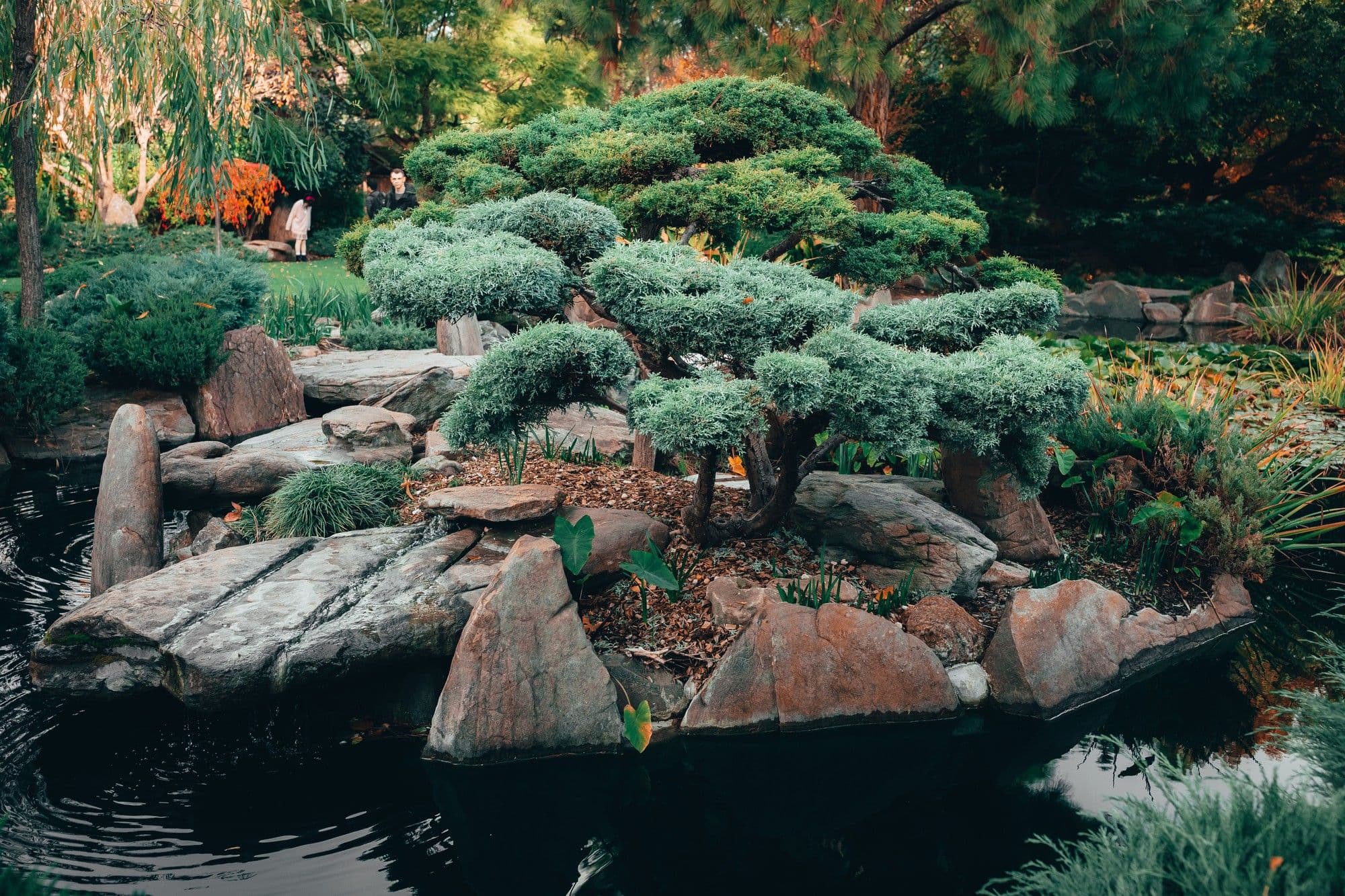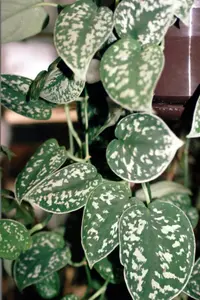





Satin Pothos (Scindapsus pictus) Light Needs

Satin Pothos grows best indoors in bright, indirect light, with only brief, gentle direct sun.

Light Preference

Bright Indirect Light

Scindapsus pictus Light Requirements

In its native tropical forest habitat in Southeast Asia, Scindapsus pictus climbs tree trunks and grows beneath a leafy canopy. Light is usually filtered, dappled, or partially shaded rather than open sun. Short periods of soft morning or seasonal sun may reach the leaves, but harsh direct exposure is limited. This background explains its indoor preference for bright, indirect light.

  • Ideal exposure:

    Satin Pothos needs about 6–8 hours of bright, indirect or filtered light daily, including up to 1–2 hours of gentle morning sun.

  • Short direct sun:

    Early sun is usually tolerated, but midday or afternoon sun can scorch the thin leaves.

  • Lower light:

    It can survive in shade or low indoor light, but growth often slows and silver patterning may dull.

  • Harsh exposure:

    Avoid full sun and hot west-facing rays unless a sheer curtain or distance softens the light.

Indoors, place it where the foliage receives bright ambient light without hot sun on the leaves.

NConditional
North-facing window:

A north-facing window can work if it is bright and unobstructed, but growth may be slower.

EBest
East-facing window:

An east-facing window is usually best, especially within 1–4 ft where morning sun is gentle.

SConditional
South-facing window:

A south-facing window needs a sheer curtain or a position 4–8 ft back to prevent midday sun scorch.

WConditional
West-facing window:

A west-facing window is usable only if late-day rays are filtered or the plant sits several feet from the glass.

Adjust placement if new growth stretches or leaf color looks washed out.

Strong sun usually shows on the most exposed leaves first.

Bleached patches:

Silver and green areas may look pale, washed out, or uneven after harsh sun.

Tan scorch marks:

Dry tan spots can appear where direct rays hit the leaf surface, especially near glass.

Crisped exposed tips:

Leaf tips or edges facing the window may dry after repeated hot afternoon exposure.

Downward curling:

Leaves may curl slightly or look tense during bright, hot periods.

Move the plant out of direct midday or afternoon sun right away. Keep bright indirect light, using distance from the window or a sheer curtain to soften exposure.

Weak light often changes the growth pattern before older leaves react.

  • Longer vine gaps:

    New leaves may form farther apart as stems stretch toward the nearest light source.

  • Leaning growth:

    Vines may point strongly toward a window instead of growing evenly around the pot.

  • Duller silver markings:

    The leaf pattern can look less bright when the plant is kept too far from light.

  • Smaller new leaves:

    New leaves may emerge smaller than earlier growth during the active season.

  • Limited new growth:

    Scindapsus pictus may produce very little new growth even when temperatures are suitable.

Move it gradually into brighter indirect light. A brighter position should improve future growth, but older stretched sections may not shorten.

If ideal light is not available, choose the brightest spot that avoids harsh midday rays; this is a better compromise than deep shade.

Move the pot 1–3 ft closer to the light source if vines stretch, and rotate it every few weeks for even growth.

An unfiltered hot exposure through glass is unsuitable because it can burn leaves faster than the plant can adjust.

Get Personalized Care Plan

Scan your plant to receive care tips personalized for your specific plant

FAQ

The best light for Satin Pothos is bright, indirect light for most of the day. Soft morning sun is acceptable, but strong afternoon sun is risky.

More Plant Light Guides

Get the Botan App

Discover how to care for your plants with Botan.

Botan app identifying a plant with a phone camera
Plants That Repel Mosquitoes – 10 Effective Choices

8 min read · 6 Jul 2026

Plants That Repel Mosquitoes – 10 Effective Choices

Plants that repel mosquitoes can help mask human scent naturally and make outdoor spaces more comfortable. Explore the most effective options, their benefits and drawbacks, and choose the right plant for your space.

Plant Recommendations
Plants That Repel Mosquitoes – 10 Effective Choices
How to Bottom Water Plants: Complete Guide

6 min read · 13 Jul 2026

How to Bottom Water Plants: Complete Guide

Bottom watering helps soil absorb moisture evenly and keeps foliage dry, reducing the risk of missed dry spots or root problems. Place the pot in a tray of water for a short time, then let it drain well.

Plant Care
How to Bottom Water Plants: Complete Guide
How Fast Does Bamboo Grow Per Day, Month, and Year

10 min read · 7 Jul 2026

How Fast Does Bamboo Grow Per Day, Month, and Year

Bamboo grows extremely fast: some species can reach 5-6 m in just 3-4 months under the right conditions. This guide explains how much bamboo can grow per day, week, and year, and what affects its growth rate.

Plant Recommendations
How Fast Does Bamboo Grow Per Day, Month, and Year