How Fast Does Bamboo Grow Per Day, Month, and Year
Bamboo grows extremely fast: some species can reach 5-6 m in just 3-4 months under the right conditions. This guide explains how much bamboo can grow per day, week, and year, and what affects its growth rate.


On this page
- Timeline of Bamboo Growth
- Growth Rate Per Hour
- Growth Rate Per Day
- Growth Rate Per Week
- Growth Rate Per Year
- 4 Bamboo Growth Stages
- Stage 1: Germination and Sprouting
- Stage 2: Root and Rhizome Establishment
- Stage 3: Accelerated Shoot Growth
- Stage 4: Full Growth Potential
- What Affects Bamboo Growth Rate?
- Climate and Temperature
- Soil Quality
- Sunlight
- Watering
- Fertilizing
- Clumping vs Running Bamboo: Growth Comparison
- How to Speed Up Bamboo Growth – 5 Practical Tips
- How to Start Growing Bamboo
How fast does bamboo grow? Faster than you can imagine. With regular care and the right conditions, bamboo can grow quickly. It is precisely because of its incredible growth rate that bamboo is often grown for food, toilet paper production, and eco decor in tropical style.
If you want to know how much bamboo grows per day, week, and year, this detailed guide will explore this topic in more detail, along with practical tips.

Timeline of Bamboo Growth
Bamboo stands out from other plants in exotic areas because of its relatively rapid growth. The table below shows growth speed broken down into four stages:
Timeframe | Average Growth |
Per hour | 1.5 inches (≈ 4 cm) |
Per day | 35-40 inches (90-100 cm) |
Per week | 20 feet (6 m) |
Per year | 100-150 feet tall (30-45 m) |
It is worth noting that the data in the table is approximate, as the exotic greenery does not grow at the same rate all the time. However, the exotic plant growth rate will help you to know how the exotic plant develops at each stage and orient yourself in planning the space for planting.

Growth Rate Per Hour
The fastest-growing species reaches 1.5 inches or 4 cm per hour under favorable conditions. If you look at everyday objects, the height of the exotic plant is comparable to the height of a LEGO minifigure. It is the Tropical Giant bamboo or Dendrocalamus asper that grows so fast. Wet tropical areas from Bangladesh to Taiwan provide ideal conditions for this.
Growth Rate Per Day
Bamboo growth per day is 12 inches (30 cm). Some plants can reach 35-40 inches or 90-100 cm. This is the peak daily growth rate. It looks as if there is a large travel suitcase standing horizontally in front of you. However, how fast the greenery is gaining height depends on the season and the plant type.
Growth Rate Per Week
The fastest-growing types of bamboo, with a growth rate of 35-40 inches (90-100 cm) per day, can extend all the way to 20 feet (6 m) in a week. This height can be compared with a streetlight. Compared with other plants, the bamboo tree's growth is unusually fast. While many flowers, vegetables, and other garden greenery grow only a few cm a week, the plant grows several meters at the same time.
Growth Rate Per Year
If we assume that bamboo grows up to 6 m in a week, then in a year it could theoretically reach a height of over 305 m. But does bamboo really grow so fast? The reality is another: unlike maple, redwood, oak, and other trees, which take years to grow tall, bamboo matures during a short growing season that lasts 3-4 months. During this time, the plant produces branches and leaves. After that, the exotic plant’s culm stops growing in height and diameter.
It is speculated that this phenomenon is related to bamboo reaching a height that is optimal for its survival. The plant doesn’t need to grow any taller; otherwise, it will be very difficult to transport water and nutrients from the soil to the stems and leaves.
Your Personalized Care Plan
Get personalized plant care recommendations in the app
4 Bamboo Growth Stages
Answering the question “How long does it take for bamboo to grow?”, we can notice one peculiarity. Like most plants, bamboo goes through certain stages of development, from the emergence of the first shoots to the unfolding of the leaves. Knowing each of them in detail will help form more realistic expectations for the exotic plant development.

Stage 1: Germination and Sprouting
Bamboo can be grown from seeds, seedlings, or by rhizome division. Seeds are used seldom, as they do not always take root. So, the last two options are more common on properties or territories where plants are grown for commercial purposes. At the first stage, new shoots that look like sharp spears push through the soil and grow rapidly for about 60 days.
Stage 2: Root and Rhizome Establishment
It is worth noting that the bamboo part is also growing underground. At this stage, the rhizomes store nutrients that are necessary for stronger future stems. You should be patient, as the plant grows more slowly because the root system is not yet well established. It takes about three years for the plant to become well-established.
Stage 3: Accelerated Shoot Growth
In the spring, the nodes on the rhizome produce new stems that grow rapidly for about 40-60 days. However, their diameter remains the same throughout their entire life. Once a shoot reaches its mature height, it stops growing upward and instead branches out to produce new leaves. Every spring, new bamboo shoots are taller and thicker. This is because the root system grows stronger each time it accumulates nutrients.
Stage 4: Full Growth Potential
Most bamboo plants reach their mature size about 4 months after planting. At this stage, the stems are usually sturdy, and the foliage is more lush. It can take years for the plant to fully establish roots and spread. To maintain the health of a mature plant, it is important to water it regularly, provide sufficient fertilizer, and prune it.
What Affects Bamboo Growth Rate?
The climate, temperature, soil quality, sunlight, watering, and fertilizing are key factors that affect bamboo growth rate. Below, we will consider each of them and find out which role they play in plant growing.
Climate and Temperature
Most bamboo species, including Golden bamboo (Phyllostachys aurea), grow vigorously in a warm climate characterized by hot summer and cool to moderately cold winter. These are mostly tropical and subtropical regions, including Asia. These plants can withstand light frosts, but if the temperature drops below -10°C, in most cases, the bamboo stops growing and its culms and foliage begin to be damaged, although the root mass survives.
Soil Quality
Soil conditions affect the growth rate of bamboo. After all, it is from the soil that it absorbs water, oxygen, and all the necessary nutrients through its roots. The plant grows best in fertile, well-drained, and moist soils rich in humus. Dense soils that are waterlogged require good drainage, while dry soils without all the necessary nutrients should be mixed with humus.
Sunlight
Bamboo prefers to grow in places with good sunlight, although bright afternoon rays should be avoided as they can scorch the leaves. Some species thrive in partial shade. Generally, if the plant grows in a region with little direct sunlight, this does not hinder its active growth at all.
Watering
Watering is what every plant needs to thrive, and bamboo is no exception. Without sufficient moisture, the plant’s growth slows down, its leaves fall, and its branches begin to die off. That’s why it’s necessary to water newly planted and established bamboo in summer. Note that the plant in containers can dry out more quickly. In this case, the greenery requires regular watering.
Fertilizing
Nutrient deficiencies usually cause plant weakness and yellowing leaves. So, if the plant is growing in an area with poor soil, you should take care of fertilizing in the spring.
If you are growing bamboo in special containers, fertilize it with a general-purpose liquid fertilizer once a month during the growing season, that is, from March through October. It’s important to apply fertilizer for the first time one month after planting. Once the bamboo has become well-established, it no longer needs fertilizing.
Clumping vs Running Bamboo: Growth Comparison
Bamboo growth also depends on plant species and growth type. There are over 1,400 species of this plant worldwide. Most of them are commonly divided into clumping bamboo and running bamboo. To better understand the difference between them, the table below demonstrates a comparison of these two growth types.

Feature | Clumping Bamboo | Running bamboo |
Growth speed | Moderate – spreads up to a few inches per year. | Fast – spreads up to 5 feet per year. |
Rooting structure | The plant has pachymorph or sympodial elements (short, thick elements that grow close to the parent plant). Each rhizome that grows upward forms a stem. With this structure, bamboo grows in compact clumps. | The rhizomes are leptomorph or monopodial. In other words, this is a long, independent underground stem that grows rapidly. |
How to control growing | Root pruning and digging a narrow trench. | Installing physical barriers, which prevent the plant's spread. |
Best for | As decoration in the garden and in pots placed on terraces, patios, or balconies. | Vertical natural fence to create an atmosphere of seclusion on the territory of the private house. |
How to Speed Up Bamboo Growth – 5 Practical Tips
If you need to speed up bamboo growth for landscaping or commercial purposes, 5 practical tips will help with this:
- Favorable soil conditions. The sandy loam soil with a pH of 7 or neutral that contains organic matter is the most suitable for bamboo growing. It should be loose enough to ensure proper drainage.
- Enough sunlight. It needs at least 4 hours of diffused sunlight per day for photosynthesis and growth. Based on the Botan bamboo identifier, if you are growing the plant in a container, place it where the lighting conditions are best.
- Fertilizing. Adding a balanced fertilizer to the soil is the best way to stimulate bamboo growth. The fact is that nutrients provide the plant with the extra energy needed for active growth.
- Start by using a large, well-established rhizome division. The more developed the rhizomes are, the more water and nutrients the plant can absorb from the soil, and consequently, the more actively it can produce new shoots.
- Planting bamboo at 5-foot centers or closer. This tip can help you rapidly form a dense screen or grove on your private territory, namely in 3-5 years.
By following all the tips described above and ensuring regular care for your bamboo, you will soon have mature plants that can be used for any purpose, whether for eco furniture, privacy screens, or decoration of the terrace of a country house.
How to Start Growing Bamboo

If you’ve decided to start growing bamboo for personal decorative or commercial purposes, it’s important to approach this with careful planning. Here are some practical tips that will help you to grow the exotic plant effectively:
- Choose a rhizome division for planting instead of seeds. It is quite difficult to find high-quality seeds because bamboo blooms very rarely. A seedling, in turn, already has a well-developed root system and therefore grows faster.
- Select the right bamboo type for your space. If you are planning to form the whole bamboo wood, choose the running type. The clumping type is better if your space only allows containers or a small garden.
- Plant the bamboo correctly. Dig a hole twice as wide as the root ball and deep enough to allow for 2-3 cm of soil to be added. Place the plant in the hole and fill the space with soil. Tamp it down firmly, water the plant carefully, and add garden compost.
Following the above-mentioned tips will help you to grow the exotic plant correctly, strengthening the root system and producing taller and stronger stems each year.
FAQ
The exotic plant typically grows to its full mature size during one growing season that lasts 3-4 months. However, it may take several years for the plant to become fully established and grow in the area.
Dariia Plaksina
Botanist
5 years of botanical research experience
Dariia Plaksina is a biologist, botanist, and writer of informational articles with over 5 years of experience exploring the world of plants, nature, and biology. She studied at Taras Shevchenko National University of Kyiv, Educational and Scientific Center “Institute of Biology and Medicine,” where she built a strong scientific foundation for her future work.
For Dariia, writing is a hobby, a calling, and a way to make reliable knowledge easier to understand. Her articles focus on plant care, plant health, and natural processes, helping readers learn more about the living world through clear, accessible, and science-based explanations.
Related Articles
4 min read · 20 Oct 2026
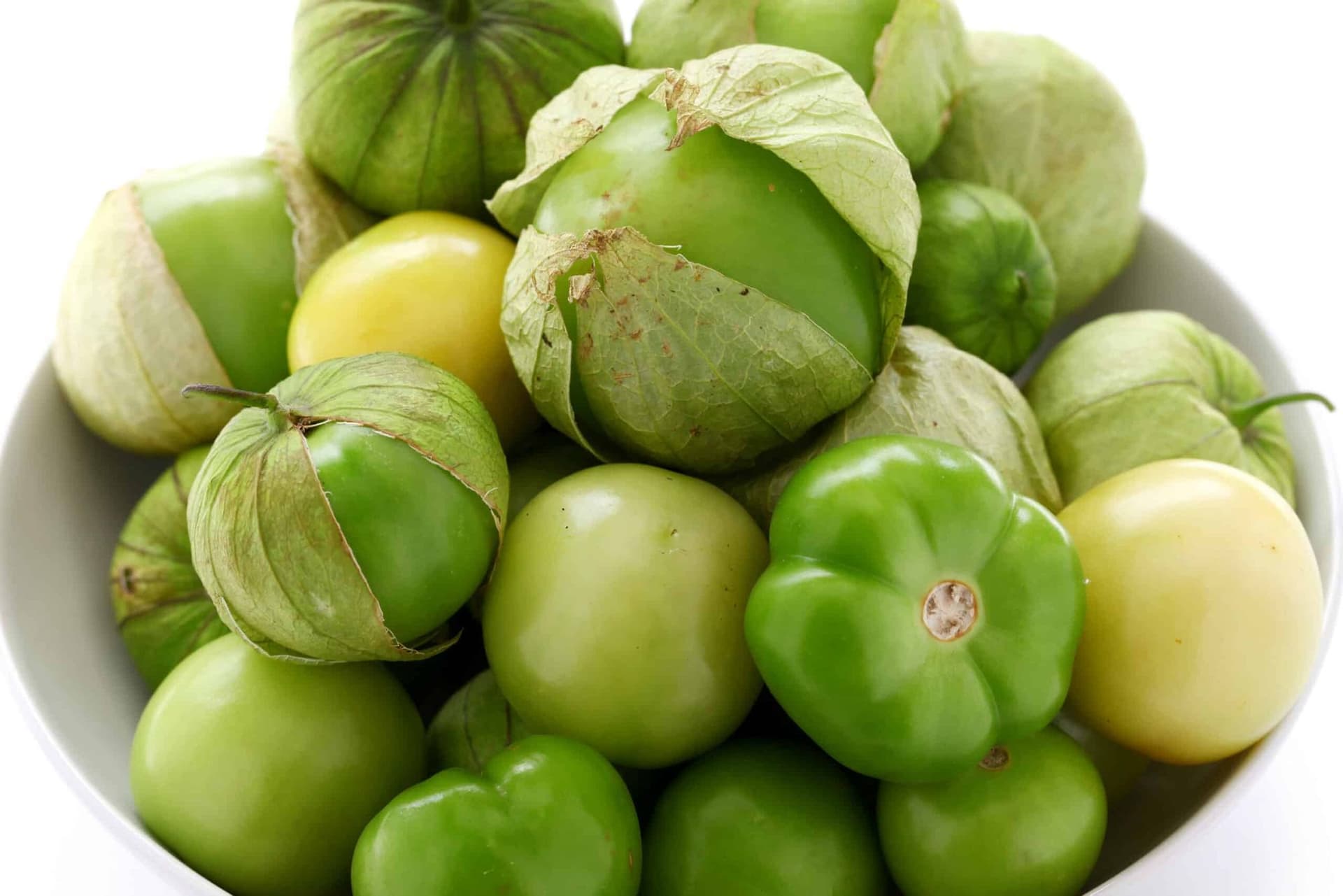
When to Harvest Tomatillos: How to Tell When They're Ripe
Tomatillos grow inside papery husks, making it hard to judge ripeness at a glance. This guide explains how to know when tomatillos are ripe and offers practical advice on harvesting and storage.
8 min read · 16 Oct 2026
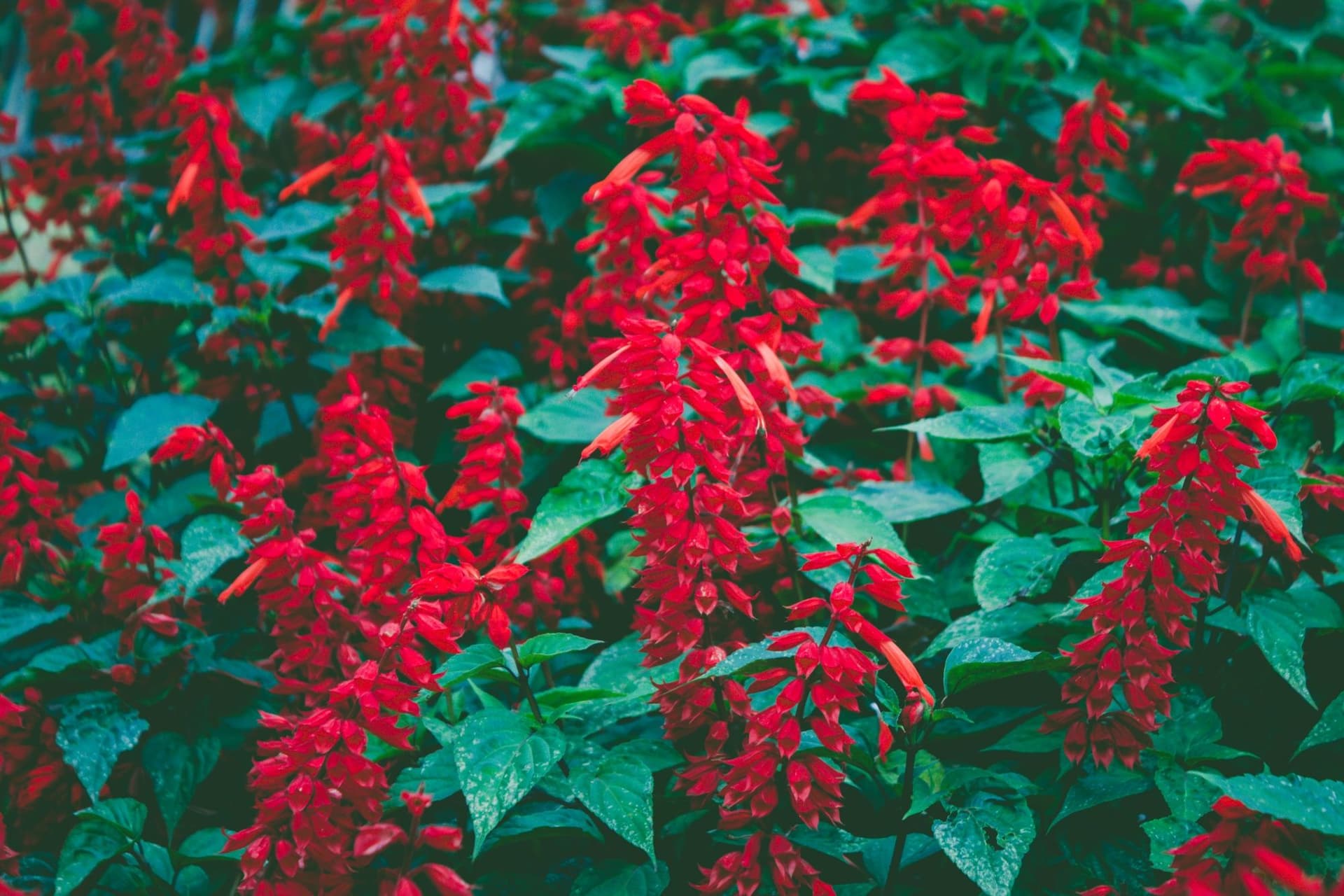
20 Funny Plant Names That Make You Laugh
Some plants carry names that sound like jokes. This guide explains the origins of 20 funny plant names. You will also see which of these plants you can grow at home.
7 min read · 13 Oct 2026
12 Best Cold-Hardy Vegetables for Cold Weather
Cold-hardy vegetables can keep a garden productive through chilly fall, winter, and early spring weather. This guide covers 12 reliable crops, their frost tolerance, and practical growing tips for better cold-season harvests.
Explore Plants by Care Needs

Identify the plant and problem. Help your plant recover
Identify plant problems early, understand what's wrong, and get clear care guidance. Botan helps you turn guesswork into confident plant care