Extreme drought tolerance
In its native semi‑arid African and Indian habitats, Euphorbia tirucalli often grows on rocky, poor soils where rainfall is sparse, surviving long dry periods due to its water‑storing, pencil‑like succulent stems.

This page explains when, how often, and how much to water Euphorbia tirucalli for balanced, consistent moisture control.

Water Requirements
Low Water
-1-200x133.webp)
This tough succulent prefers conditions that mimic its dry, erratic-rainfall habitat, keeping soil on the drier side. Euphorbia tirucalli benefits from watering Pencil Cactus only after existing moisture has been used.
In practice, let the potting mix dry significantly between sessions rather than holding slight constant moisture. Indoors it usually needs less frequent attention than outdoor plants exposed to stronger light and faster evaporation, guiding your basic approach.
Let the soil dry completely before watering again; check that it is dry at least 1–2 inches (3–5 cm) deep. Euphorbia tirucalli typically needs water every 2–4 weeks indoors, but in brighter light or warmer summer conditions the interval shortens, and in cooler, lower-light seasons it often lengthens considerably.
Water Pencil Cactus when the pot feels light and the top half of the soil is completely dry.
Incorrect moisture levels can damage Euphorbia tirucalli, stressing roots, stems, and overall vigor.
Thin, wrinkled segments usually indicate prolonged underwatering or an overly fast-draining, neglected potting mix.
Soft, discolored tissue near the soil line often results from chronic overwatering and poor drainage.
Dark, slimy roots signal severe waterlogging, calling for immediate unpotting, trimming, and fresh dry soil.
White deposits on potting mix suggest frequent light watering and fertilizer buildup needing periodic flushing.
Minimal extension of new branches can follow inconsistent watering cycles and compacted, moisture-retentive soil.
Let soil dry deeply between thorough waterings, prioritizing sharp drainage, modest frequency, and strong light exposure.
Unsuitable watering habits quickly stress Euphorbia tirucalli, since this drought-adapted succulent stores moisture in its stems, not delicate roots.
Support this species by letting the mix dry thoroughly between deep waterings, using fast-draining soil and promptly removing standing water.
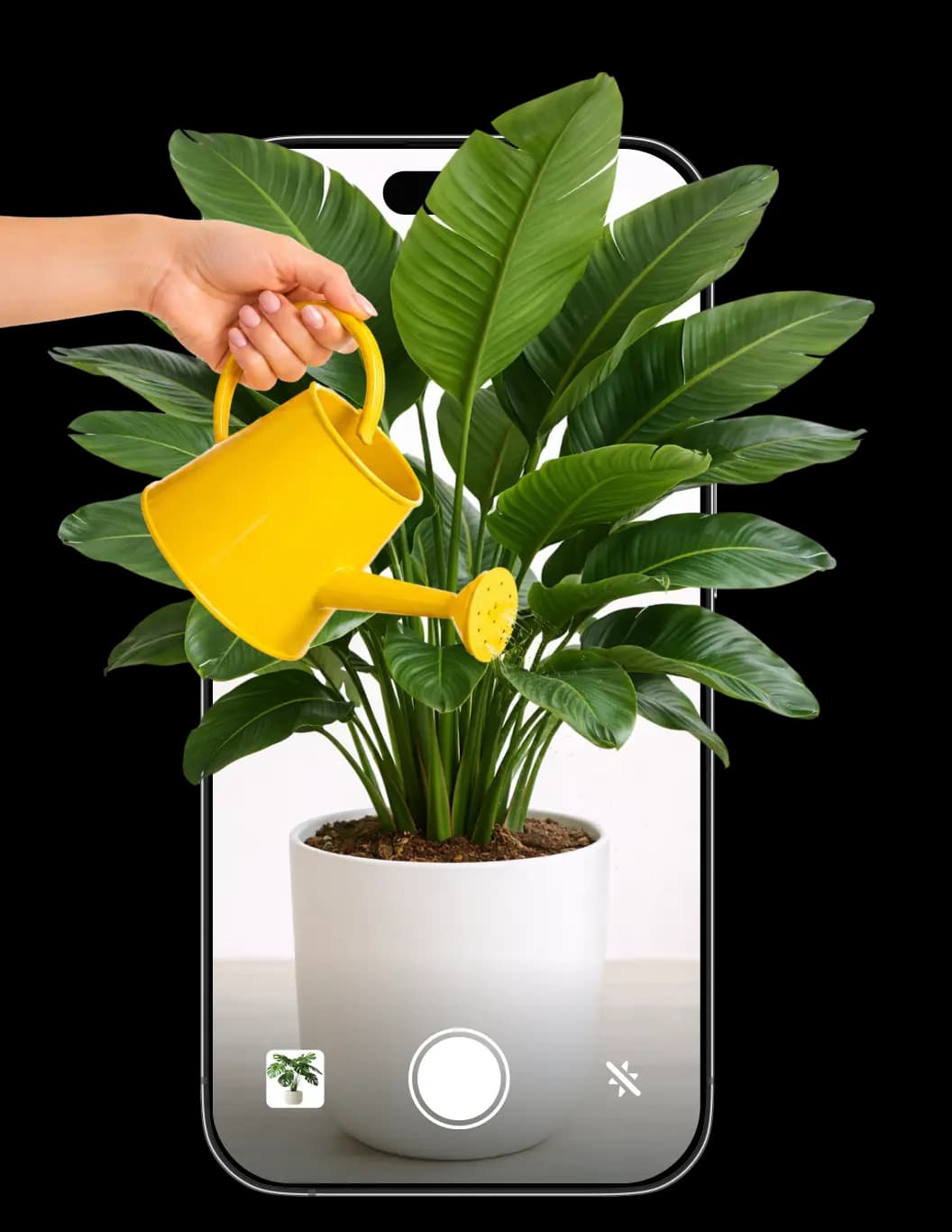
Is It Time to Water?
See whether your plant is ready for watering or needs more time to dry.
Use Botan for a clear Euphorbia tirucalli watering guide, tailored care reminders, and gentle photo-based issue checks to keep your plant on a steady, healthy routine.
In its native semi‑arid African and Indian habitats, Euphorbia tirucalli often grows on rocky, poor soils where rainfall is sparse, surviving long dry periods due to its water‑storing, pencil‑like succulent stems.
Euphorbia tirucalli drops leaves quickly in dry conditions and shifts nearly all photosynthesis to its green, water‑filled stems, reducing water loss through leaf surfaces while still producing energy.
The species produces a dense, milky latex that helps seal damaged stems and reduce water loss from wounds, an important adaptation in its hot, drought‑prone environments.
Misting does not replace deep watering. This species stores moisture in its stems and needs thorough soaking, then drying. Light misting only affects the surface and can encourage rot or fungal issues without hydrating roots properly.
Use Botan to review your watering routine and keep moisture levels on track.
6 min read · 21 Sept 2026
Rare houseplants can turn an ordinary corner in your apartment into a living botanical collection. This guide covers 12 most admired picks, what makes them special, and how to grow them successfully at home.

5 min read · 28 Sept 2026
Learn how to prepare your garden for winter with a practical six-step checklist covering cleanup, tender plant care, watering, mulching, winter protection, and winterizing equipment and containers.
12 min read · 16 Jul 2026
Mosquitoes on the patio? Gnats in the kitchen? Some plants keep them away with the scent of their own leaves. Here are 20 that deal with mosquitoes, flies, aphids, and more, plus where to put them so they help.