

Pink quill (Wallisia cyanea) Watering Guide

This page explains when, how often, and how much to water Wallisia cyanea in simple, practical terms.

Water Requirements

Moderate Water

Wallisia cyanea Watering

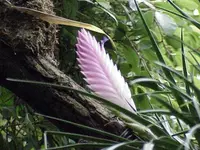
This compact bromeliad comes from humid forest habitats where roots stay lightly moist but not soaked. Wallisia cyanea prefers soil that dries slightly between waterings, while the central cup never sits stagnant.

For indoor pots, watering Pink quill means maintaining gentle, even moisture without creating a soggy mix. Outdoor plants in warm, sheltered spots usually need somewhat more frequent attention than indoor ones to avoid prolonged dryness.

Water when the top 1–2 inches (3–5 cm) of mix are dry and the pot feels noticeably lighter. In bright, warm indoor conditions this typically means about once every 7–14 days, but lower light or cooler rooms extend the interval. Outdoor summer heat usually shortens it.

Water Pink quill when the top half of the potting mix feels dry, using a light but thorough approach.

  • Pour room-temperature water slowly over the potting mix, avoiding the central rosette so it does not stay waterlogged.
  • Moisten the mix evenly until water reaches the bottom of the root zone without turning the pot into a slurry.
  • Let excess water drain freely from the pot’s holes, then empty any saucer so the container does not sit in runoff.
  • For bottom watering, place the pot in a shallow tray of water and remove it once the upper mix feels evenly damp.

Incorrect moisture balance often leads to health problems for Wallisia cyanea indoors and outdoors.

Curling Or Brittle Leaves:

Leaf edges curl inward and feel crisp due to prolonged dryness in the central cup and roots.

Limp Or Flattened Rosette:

Previously upright foliage collapses when the cup stays empty and potting mix dries completely.

Brown Leaf Bases:

Leaf bases turn brown and mushy from stagnant water trapped around the crown area.

Foul-Smelling, Soggy Roots:

Roots appear dark and soft, with sour odor, from overwatered, compacted mix lacking air pockets.

Algae Or Slime In Cup:

Green film or slimy buildup inside the central cup indicates old water needing frequent refreshing.

Keep roots lightly moist, central cup refreshed, and avoid stagnant water sitting around the crown.

Unsuitable watering habits can stress Wallisia cyanea, weakening its roots, blooming performance, and foliage color over time.

  • Rigid calendar schedule: Following a fixed watering calendar ignores real moisture levels; instead, check that the top mix feels nearly dry before watering again.
  • Dense or wrong mix: Using heavy, peat-only soil holds too much water; choose a fast-draining bromeliad or orchid-style mix with chunky particles.
  • Standing water in saucer: Leaving runoff in the saucer keeps roots constantly wet; empty it within a few minutes so excess moisture can escape.

Aim for light, thorough watering into a freely draining mix, guided by dryness in the pot rather than by the calendar.

  • Spring: Resume slightly deeper watering into the central cup and lightly moisten the mix as new leaves and pups begin active growth.
  • Summer: In warm, bright conditions, keep the cup filled with fresh water and check the potting mix more often for faster drying.
  • Fall: Gradually reduce refills of the central cup and let the mix dry a bit longer between light waterings as growth slows.
  • Winter: In cool, lower light, keep only a small amount of water in the cup and water the mix sparingly to prevent rot.

Track Watering. Catch Problems Early

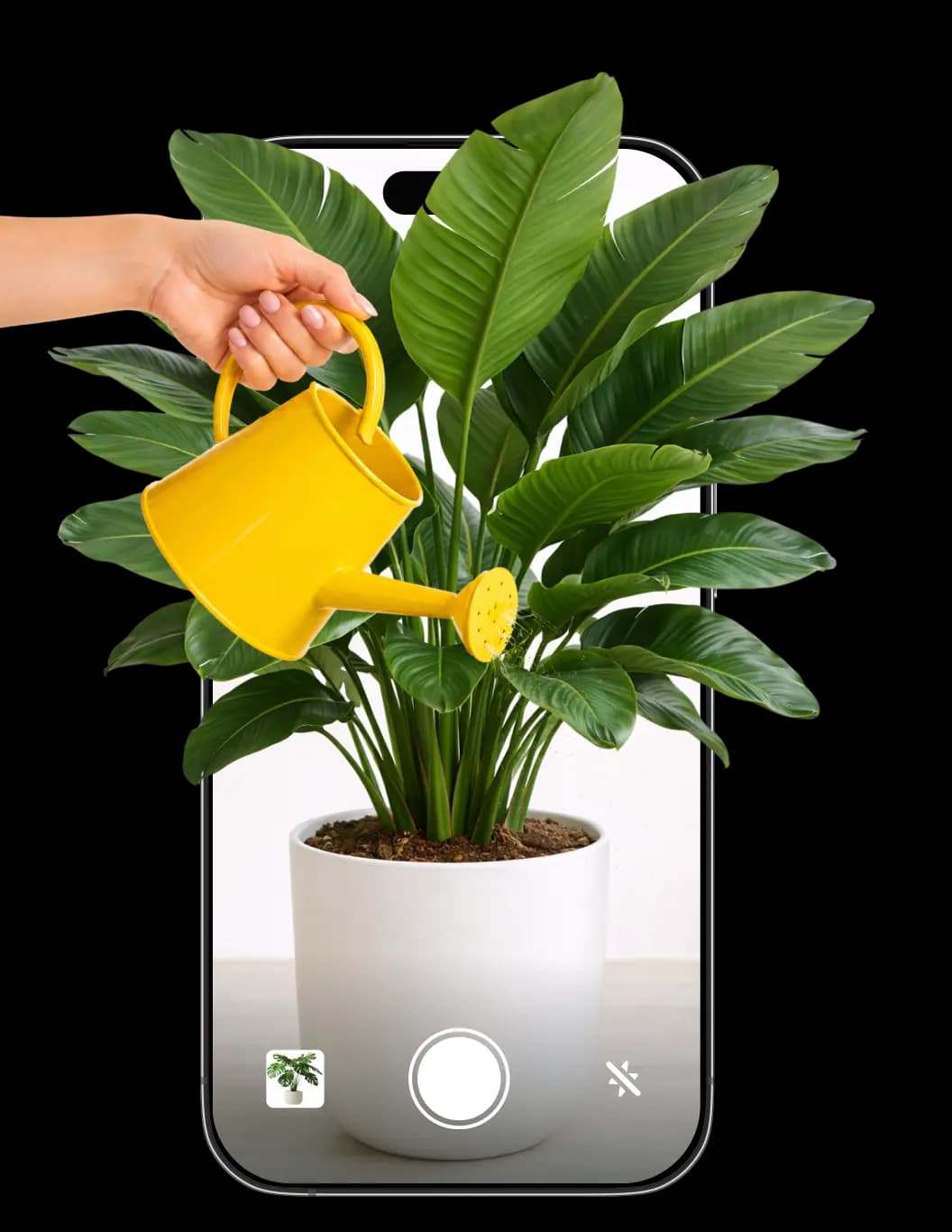
Use Botan for a simple watering guide and care procedures tailored to your Pink quill, plus gentle photo-based checks that help notice early signs of stress or other plant issues.

Botan plant care app — identify plants on mobile

FAQ

Rehydrate gradually. Soak the pot in room‑temperature water for 10–15 minutes, let it drain fully, then return to bright, indirect light. Resume a normal schedule, keeping the mix slightly moist but never soggy between waterings.

More Plant Watering Guides

Is Your Watering Routine Hurting Your Pink quill?

Botan reviews your watering pattern so adjustments are easier and more confident.

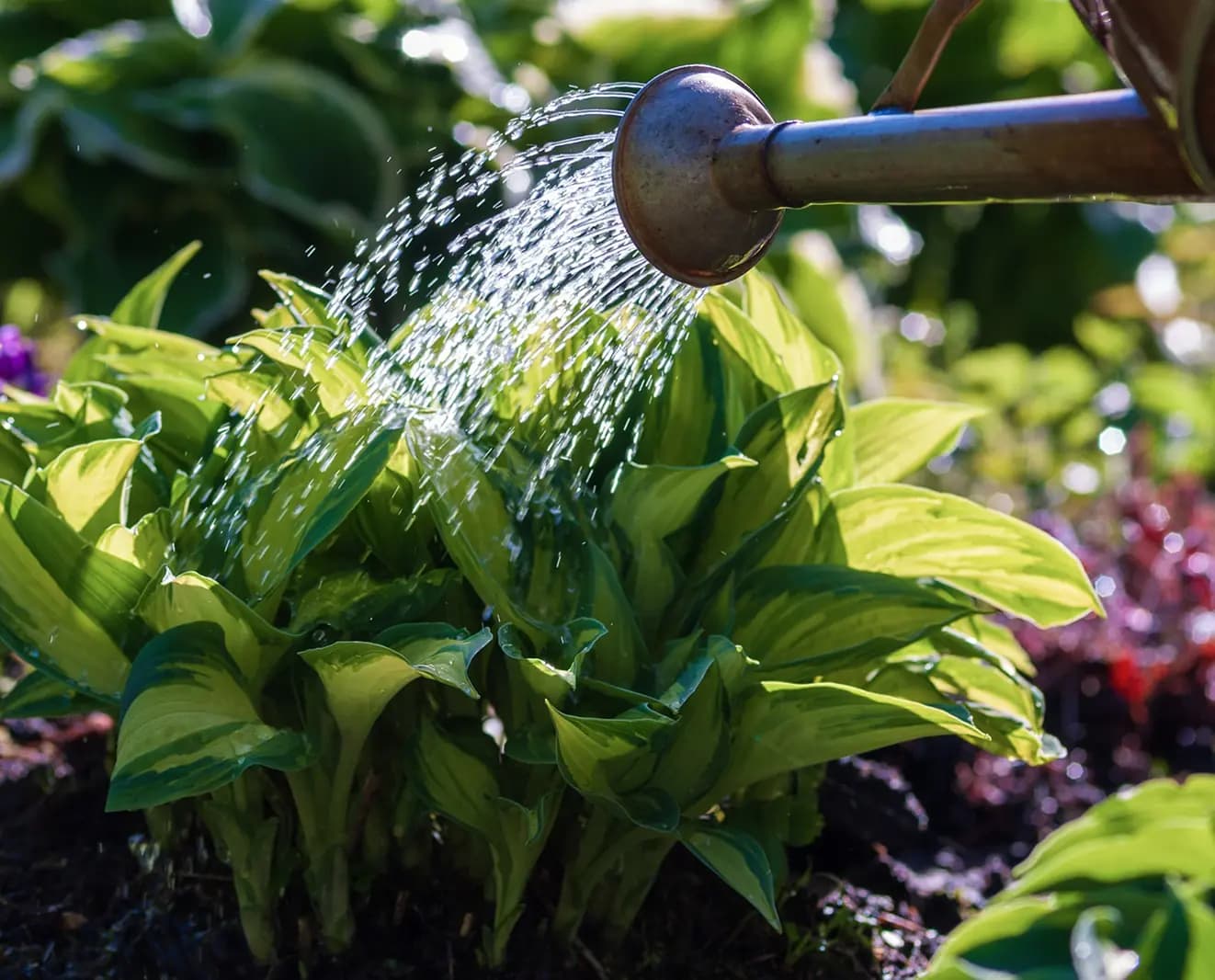
Watering a plant with a copper watering can
Best Bedroom Plants – Top 10 to Grow in Your Space

8 min read · 8 Jul 2026

Best Bedroom Plants – Top 10 to Grow in Your Space

Discover the top 10 houseplants that are suitable for growing in your bedroom. Compare their light and water needs, pet safety, and benefits. Find out where best to place greenery in your relaxation space and what species to avoid.

Plant Recommendations
Best Bedroom Plants – Top 10 to Grow in Your Space
Thorny Plants: A Comprehensive Guide

10 min read · 25 Aug 2026

Thorny Plants: A Comprehensive Guide

Many plants defend themselves with sharp thorns. This guide explores over 20 examples among flowers, shrubs, trees, and vines. You'll learn what each plant looks like, why it grows thorns, and how to quickly identify them.

Plant Recommendations
Thorny Plants: A Comprehensive Guide
13 Best Front Yard Trees for Every Home and Yard

12 min read · 7 Aug 2026

13 Best Front Yard Trees for Every Home and Yard

A front yard tree can stay for decades. Therefore, choosing one deserves serious consideration. Here are 13 trees that have proven themselves, sorted by their purpose. You'll also find five species to avoid and basic planting information.

Plant Recommendations
13 Best Front Yard Trees for Every Home and Yard