

Lily (Lilium 'Black Beauty') Watering Guide

This page explains when, how often, and how much to water Lilium 'Black Beauty' in simple, practical terms.

Water Requirements

Regular Water

Lilium 'Black Beauty' Watering

Originating from temperate regions with moderate rainfall, Lilium 'Black Beauty' prefers steady, not soggy, moisture around its roots. In garden beds, watering Lily is about keeping soil lightly moist, echoing its naturally well-drained yet moisture-retentive habitats.

Allow the top layer to lose some surface dampness between deep waterings, rather than stay constantly wet. Containers dry faster than in-ground plantings, so potted plants generally need closer attention while following the same gentle, consistent approach.

For Lilium 'Black Beauty', water again when the top 1–2 inches (3–5 cm) of soil feel dry and no longer cool to the touch. In warm, bright outdoor conditions, this may be about every few days, while cooler weather or heavier soil can extend the interval noticeably.

Water Lilium 'Black Beauty' when the top 1-2 inches (3-5 cm) of soil feel dry, keeping Lily evenly moist.

  • Pour room-temperature water slowly at the soil surface, aiming between stems so water reaches the bulb area directly.
  • Continue watering until moisture reaches the full root zone, then stop when excess begins to drain from the pot base.
  • Empty saucers or cachepots after drainage so bulbs never sit in standing water, which restricts oxygen around roots.

Incorrect soil moisture can stress Lilium 'Black Beauty', leading to weakened growth and disease susceptibility.

Yellowing Lower Leaves:

Older foliage turns pale, then yellow, often from persistently waterlogged soil suffocating the roots.

Brown Leaf Tips:

Dry, browning edges develop when soil cycles between prolonged dryness and occasional heavy soaking.

Mushy Bulbs:

Bulbs feel soft and collapse due to poor drainage and standing water around planting holes.

Stunted Flower Stems:

Short, weak stems result when roots stay too wet or too dry during active spring growth.

Keep soil consistently moist yet well-drained, adjusting watering to weather and drainage rather than a schedule.

Unsuitable watering habits can stress Lilium 'Black Beauty', weakening bulbs and stems and reducing flowering over the growing season.

  • Watering by calendar: Following a fixed schedule ignores changing weather; instead, check the top soil layer and water only when it feels dry.
  • Poorly draining soil: Using heavy, compact soil traps moisture around bulbs; choose loose, well-draining mix that lets water pass through quickly.
  • Letting saucers fill: Leaving pots standing in collected runoff keeps bulbs wet; empty saucers shortly after watering to let excess drain away.

Aim for deep, occasional watering into well-drained soil, guided by soil dryness and weather rather than fixed routines.

  • Spring: As shoots emerge and stems lengthen, keep soil lightly moist, allowing the top layer to dry a bit between thorough waterings.
  • Summer: During flowering and heat, water deeply when the top soil dries, prioritizing consistent moisture over frequency and avoiding soggy conditions.
  • Fall: As foliage yellows and dies back, gradually reduce watering, letting soil dry more between drinks while bulbs transition toward dormancy.
  • Winter: When bulbs are dormant in the ground or pots, water sparingly, just enough to prevent completely bone-dry, shrinking soil.

Track Watering. Catch Problems Early

Use Botan for a clear watering guide and practical care steps for Lilium 'Black Beauty', plus gentle photo-based issue checks that help spot leaf, stem, or soil problems sooner.

Botan plant care app — identify plants on mobile

FAQ

Water slowly at soil level until the root zone is evenly moist, then let excess drain away. Aim to keep soil lightly moist, not soggy, especially during active growth and flowering.

Everything About Lily

More Plant Watering Guides

Is Your Watering Routine Hurting Your Lily?

Botan reviews your watering pattern and flags when it looks off track.

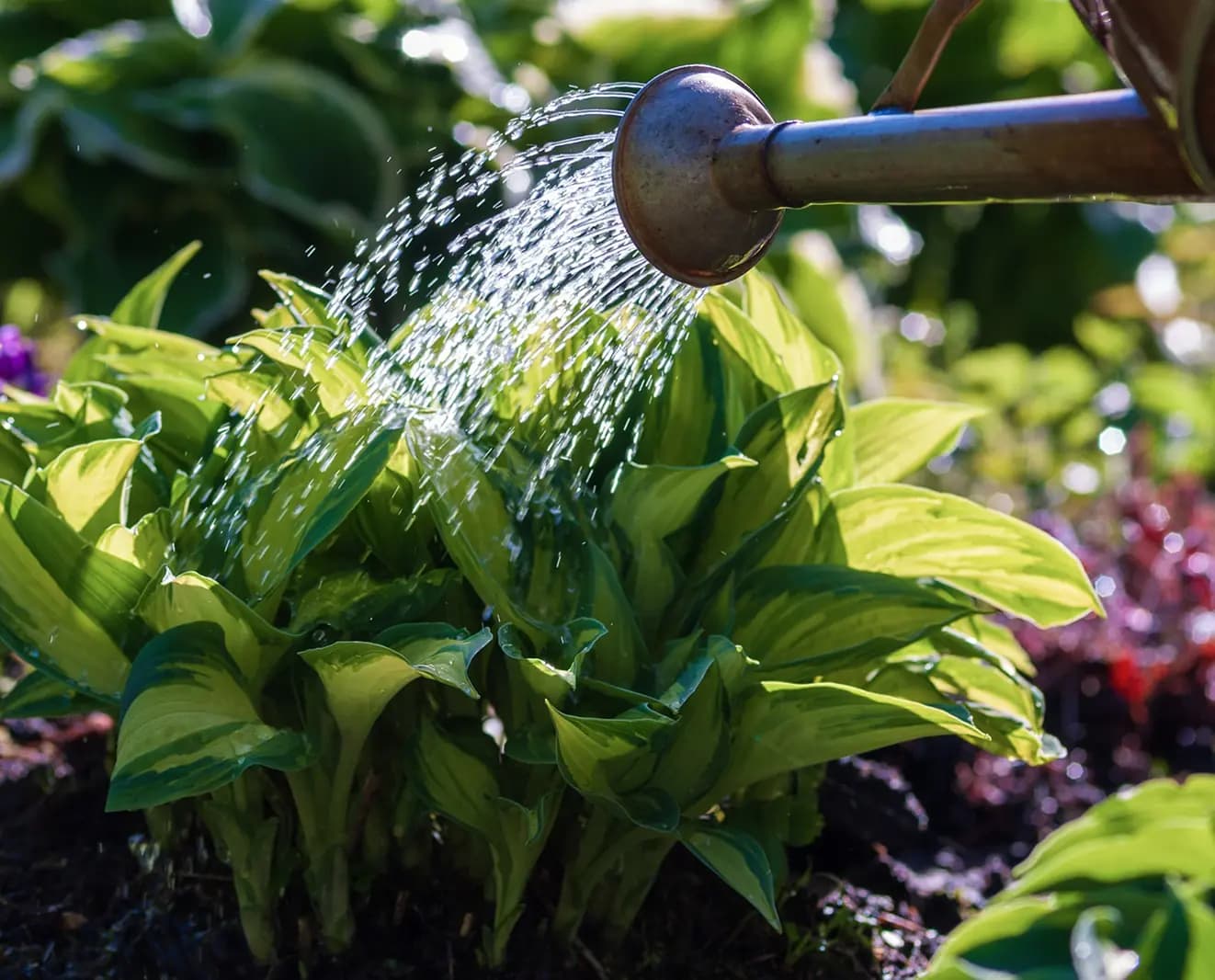
Watering a plant with a copper watering can
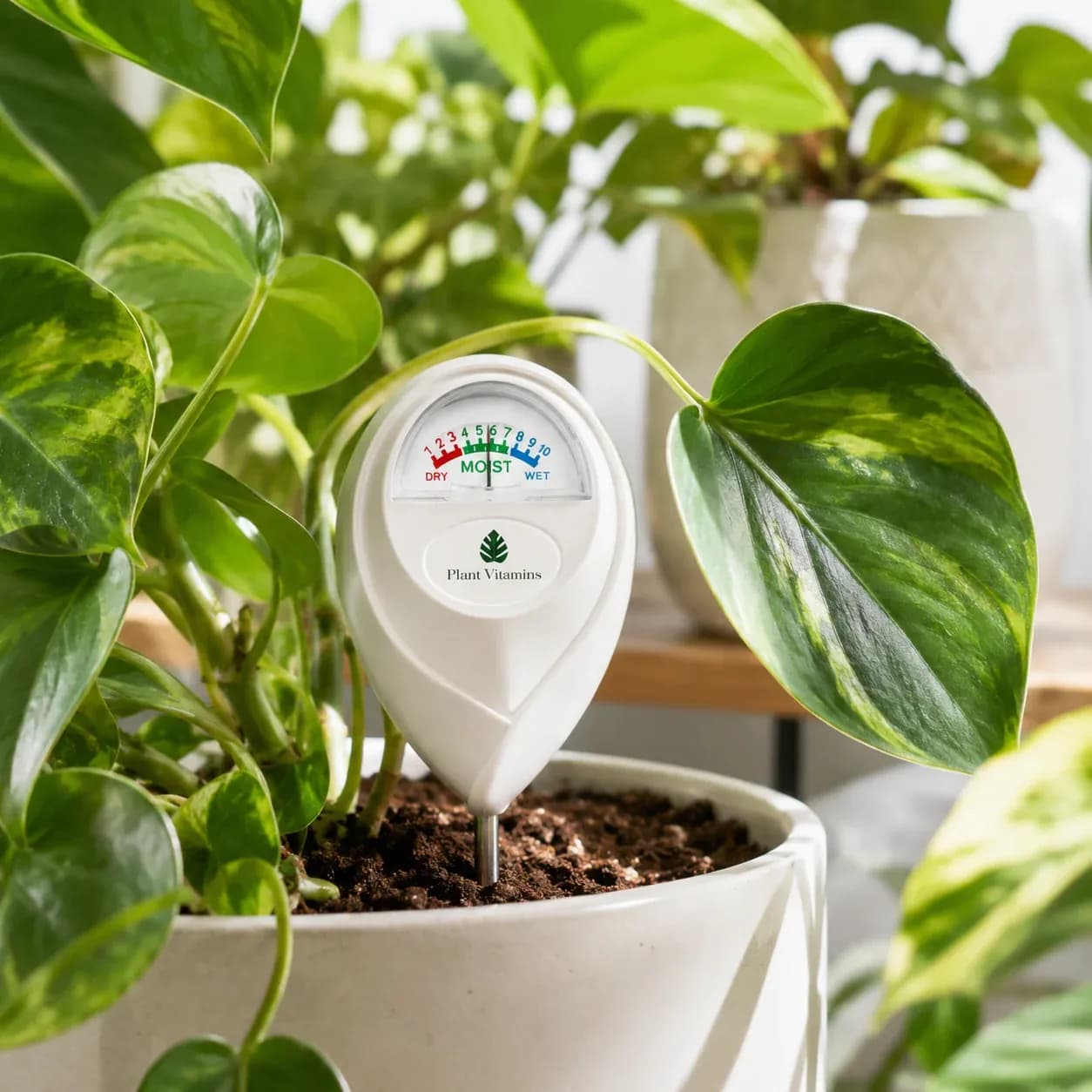
How to Use a Moisture Meter for Plants

5 min read · 4 Sept 2026

How to Use a Moisture Meter for Plants

Watering by feel kills plenty of houseplants. A moisture meter checks the soil for you, and takes the guesswork out of it. This guide will show you how to use it correctly, from the first touch to the final reading.

Beginner Guides

How to Use a Moisture Meter for Plants
Frozen vs Fresh Vegetable Nutrients: Which Option Is Healthier?

6 min read · 8 Sept 2026

Frozen vs Fresh Vegetable Nutrients: Which Option Is Healthier?

Frozen and fresh vegetables are nutritionally comparable: frozen produce often retains vitamins just as well as fresh and may sometimes contain more. Here’s how blanching and storage affect nutrients—and when to choose each.

Plant Recommendations
Frozen vs Fresh Vegetable Nutrients: Which Option Is Healthier?
Plant Pot Sizes: How to Choose the Right Plant Container

7 min read · 20 Aug 2026

Plant Pot Sizes: How to Choose the Right Plant Container

Plant pot sizes can be confusing because the number on the label only tells you part of the required information. A container may look spacious but actually be too shallow. So, how to choose pot size for plant species?

Beginner Guides
Plant Pot Sizes: How to Choose the Right Plant Container