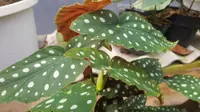

Polka Dot Begonia (Begonia maculata) Watering Guide

This page explains when, how often, and how much to water Polka Dot Begonia in straightforward, practical terms.

Water Requirements

Moderate Water

Begonia maculata Watering

In its native Brazilian forest edges, this plant experiences regular moisture with brief drying periods and high humidity. Indoors, Begonia maculata prefers lightly moist soil that never stays soggy or bone-dry for long.

Think of watering Polka Dot Begonia as maintaining gentle, steady moisture with short pauses between drinks. The basic approach indoors is moderated, watchful watering, while outdoor container plants usually need the same balance with closer monitoring in warm, bright conditions.

Water when the top 1–2 inches (3–5 cm) of soil feel dry, as Begonia maculata dislikes staying constantly wet. Indoors, this typically means watering about every 7–10 days, with slightly more frequent watering in warm, bright conditions and less often in lower light or cooler rooms.

Water Polka Dot Begonia when the top 1–2 inches (3–5 cm) of soil feel dry and the pot feels lighter.

  • Pour room-temperature water slowly over the soil surface, circling the pot to distribute moisture evenly around the root zone.
  • Continue adding water until it begins to drain from the bottom holes, confirming the entire root ball is evenly moistened.
  • Empty saucers or cachepots within 10–15 minutes so the container never sits in standing water after watering.
  • Keep leaves and stems as dry as possible, directing the stream to the soil rather than overhead or onto foliage.

Incorrect moisture levels often trigger health problems for Begonia maculata grown indoors or outdoors.

Yellowing Lower Leaves:

Older leaves fade to dull yellow and drop when soil stays constantly wet without aeration.

Crisp Brown Leaf Edges:

Leaf margins dry, curl, and brown when watering is infrequent or humidity remains chronically low.

Wilting With Wet Soil:

Stems droop and leaves collapse despite moist mix, indicating roots suffocating from prolonged saturation.

Pale Spots Losing Contrast:

Silvery markings fade and leaves look washed out when roots alternate between drought and overwatering.

Sour-Smelling Potting Mix:

Soil smells musty or rotten when drainage is poor and organic particles remain waterlogged for days.

Keep the potting mix slightly moist with quick drainage, avoiding both waterlogging and extended dryness.

Unsuitable watering habits can stress Begonia maculata, weakening growth and making Polka Dot Begonia more vulnerable to pests and leaf damage.

  • Watering by calendar: Following a fixed schedule instead of checking soil moisture can keep roots wet too long; test the top layer and adjust timing.
  • Dense, soggy potting mix: Using heavy garden soil traps water around sensitive roots; choose a light, chunky mix that drains and aerates well.
  • No drainage or clogged pot: Keeping the plant in a pot without clear drainage holes lets water pool; use a container that empties quickly.

Aim for consistently slightly moist, fast-draining soil, letting the top surface dry a bit between thorough, unobstructed waterings.

  • Spring: Growth typically resumes, so monitor drying speed and water when the top layer feels dry, avoiding sudden swings between soggy and bone-dry soil.
  • Summer: In warm, bright conditions it may dry faster; check moisture more often but keep watering moderate to prevent stressed, translucent leaves.
  • Fall: As light and temperatures drop, drying slows, so extend the time between waterings while still preventing complete soil desiccation.
  • Winter: Plant growth often pauses indoors; water sparingly after deeper drying, and reduce frequency further in cooler rooms with low light.

Your Polka Dot Begonia Care Companion

Use Botan for a simple watering guide and practical care routines for your Polka Dot Begonia. The app can also review photos to help spot early signs of stress or disease.

Botan plant care app — identify plants on mobile

Interesting Watering Facts

Likes Slightly Acidic Moisture

In cultivation, Begonia maculata tends to grow best when watered with slightly acidic, low-mineral water (rainwater or filtered), which mirrors the softer, mildly acidic moisture it receives in its native Atlantic rainforest range in Brazil.


Sensitive To Waterlogged Roots

This species is prone to root and cane rot if its rhizomatous roots sit in saturated soil, reflecting its natural adaptation to well‑drained forest substrates that stay moist but not boggy after frequent rains.

Responds To Humid Airflow

Begonia maculata benefits from consistently humid air combined with gentle airflow, similar to the moving, moisture‑laden air of its understory habitat, where leaves stay hydrated by humidity rather than by frequent heavy wetting of the potting mix.

FAQ

Use liquid fertilizer on pre-moistened soil, not bone-dry. Water lightly afterward only if needed to flush fertilizer off leaves and into the root zone, avoiding heavy drenching that can cause nutrient leaching.

More Plant Watering Guides

Is Your Watering Routine Hurting Your Polka Dot Begonia?

Use Botan to review watering patterns and see if moisture levels stay on track.

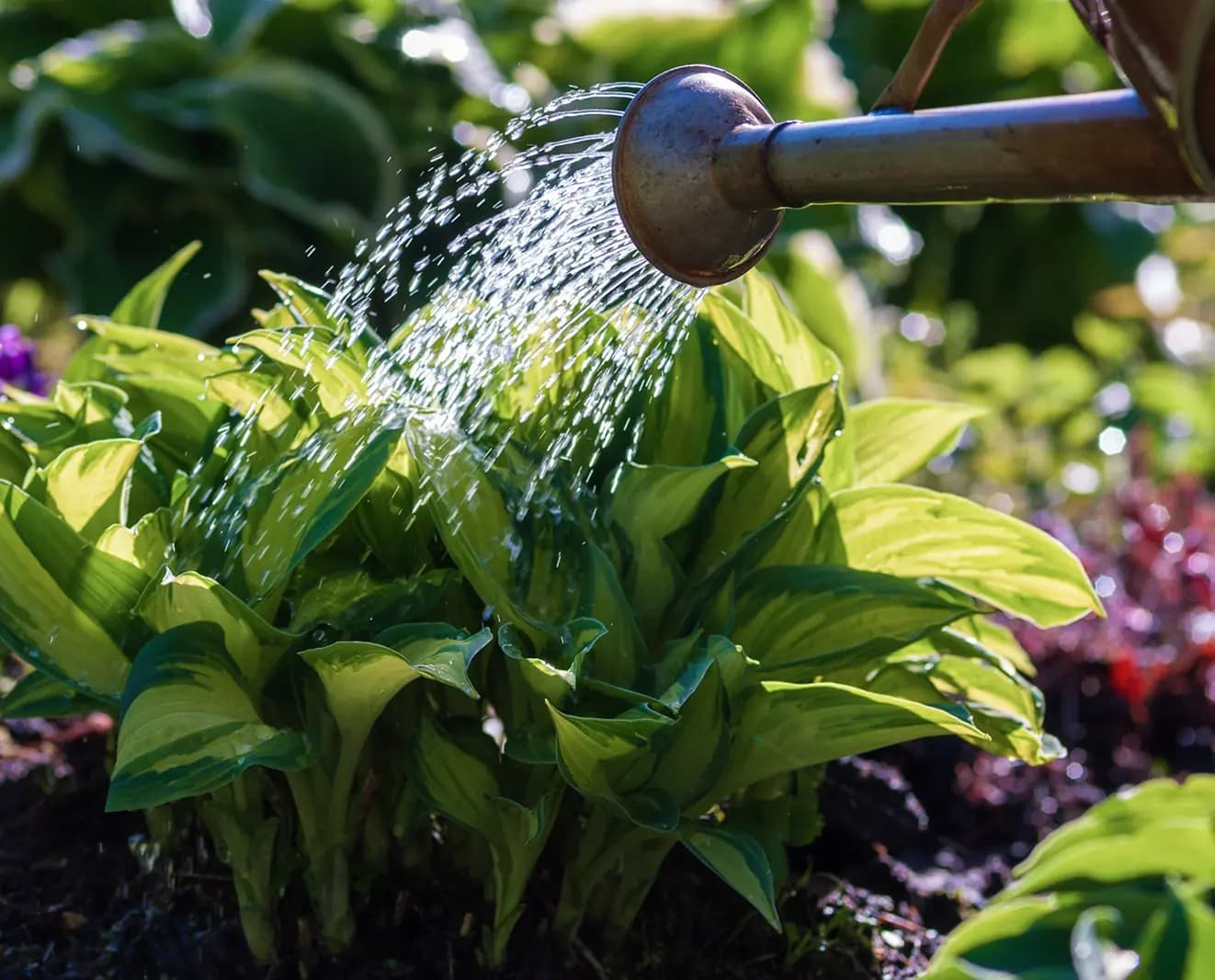
Watering a plant with a copper watering can
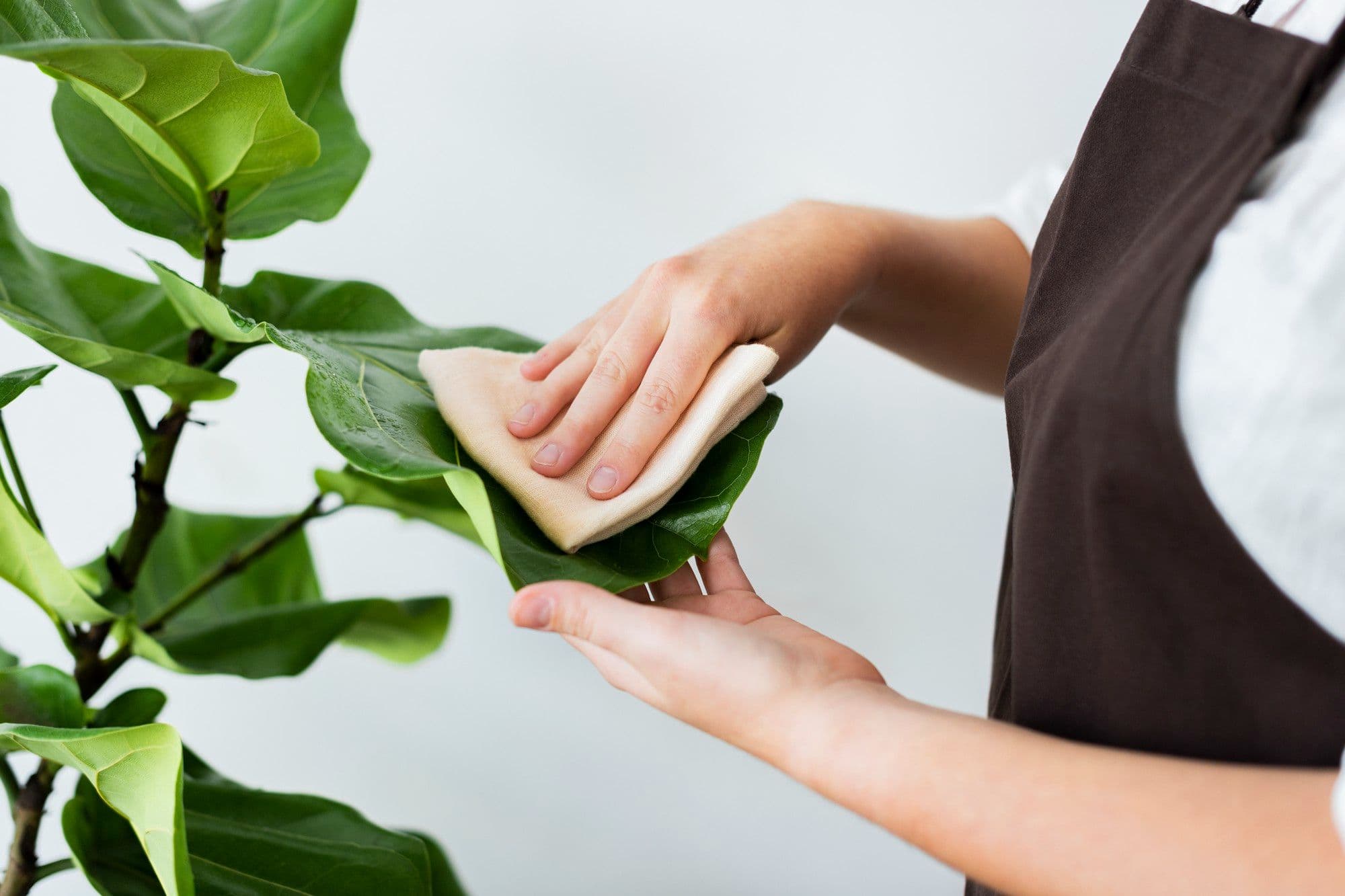
How to Clean Plant Leaves: A Simple Care Guide

6 min read · 4 Aug 2026

How to Clean Plant Leaves: A Simple Care Guide

Dusty leaves look dull and don't absorb light well. Below, you'll find simple ways to clean them, which tools are truly effective, how often you should do it, and what causes damage.

Beginner Guides
How to Clean Plant Leaves: A Simple Care Guide
Top 15 Fast-Growing Trees For Your Garden

13 min read · 28 Jul 2026

Top 15 Fast-Growing Trees For Your Garden

Learn which of the 15 fastest-growing trees will suit your area. We’ll share detailed information on each: growth rate, mature spread, key tree demands, and main vulnerabilities. Read on and make the best choice possible.

Plant Recommendations
Top 15 Fast-Growing Trees For Your Garden
Plants That Repel Bugs – 20 Effective Options

12 min read · 16 Jul 2026

Plants That Repel Bugs – 20 Effective Options

Mosquitoes on the patio? Gnats in the kitchen? Some plants keep them away with the scent of their own leaves. Here are 20 that deal with mosquitoes, flies, aphids, and more, plus where to put them so they help.

Plant Recommendations
Plants That Repel Bugs – 20 Effective Options