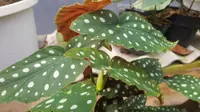
Best Soil for Polka Dot Begonia (Begonia maculata)

Begonia maculata grows best in a loose, airy, slightly acidic mix that supports healthy roots without staying dense or soggy.

Soil Texture

Loamy, Organic-rich

Soil pH

Acidic (5.5–6.5)

Soil Drainage

Moist but well-drained

Begonia maculata Soil Guide

Native to southeastern Brazil, Begonia maculata grows in warm, humid forest conditions where roots sit in leaf-rich material that stays lightly moist but still has air pockets. That background explains why it prefers organic-rich, loamy soil rather than dense or sandy material.

Its roots are fairly fine and benefit from a substrate that holds some moisture without staying soggy. The best soil for Polka Dot Begonia feels light, slightly acidic to near neutral, and well-drained, so roots can absorb water steadily while still getting oxygen.


A homemade mix gives better control over texture and airflow for Begonia maculata than a standard heavy indoor potting blend.

100% total mix = 20 scoops
15%
compost or worm castings3 scoops
20%
perlite or pumice4 scoops
25%
fine orchid bark5 scoops
40%
peat-based potting soil or coco coir8 scoops

The finished blend should feel springy and crumbly, hold light moisture, and let extra water move through without turning sticky.

A slightly acidic to mildly acidic range of about 5.5–6.8 pH suits Polka Dot Begonia well. This keeps key nutrients such as iron, manganese, and phosphorus more available to the roots.

The species can usually handle small variation within that range, but strongly alkaline soil may reduce nutrient uptake over time. A near-neutral mix is often acceptable if it still leans slightly acidic.

This species can react quickly when the root zone stays stressed for too long. Begonia maculata is especially sensitive to stale, compacted conditions around the roots.

Compacted mix:

If the surface hardens and water stops soaking in evenly, gently loosen the top layer and replace dense soil with a fresher, more open mix.

Staying wet too long:

If the pot remains heavy for days and the soil feels airless, increase drainage and check that excess moisture can leave the container freely.

Shrinking from the pot edge:

If the mix pulls away from the sides, rehydrate it gradually so moisture spreads back through the root zone instead of rushing past.

Spent organic matter:

If the soil texture has collapsed into fine particles, refresh the growing medium so roots have better airflow and more stable structure again.

Scan for Better Soil

Botan helps match this plant to a more suitable potting setup by checking care details that influence soil performance in real home conditions.

FAQ

Yes. Drainage holes help excess water leave the container, which keeps the root zone better aerated and lowers the chance of the mix staying heavy for too long.

Everything About Polka Dot Begonia

More Plant Soil Guides

Could It Be the Soil?

Some visible issues can be linked to soil conditions. A photo-based check in Botan can help you decide whether the root zone is worth a closer look.

Botan app helping with soil and plant care
How to Clean Plant Leaves: A Simple Care Guide

6 min read · 4 Aug 2026

How to Clean Plant Leaves: A Simple Care Guide

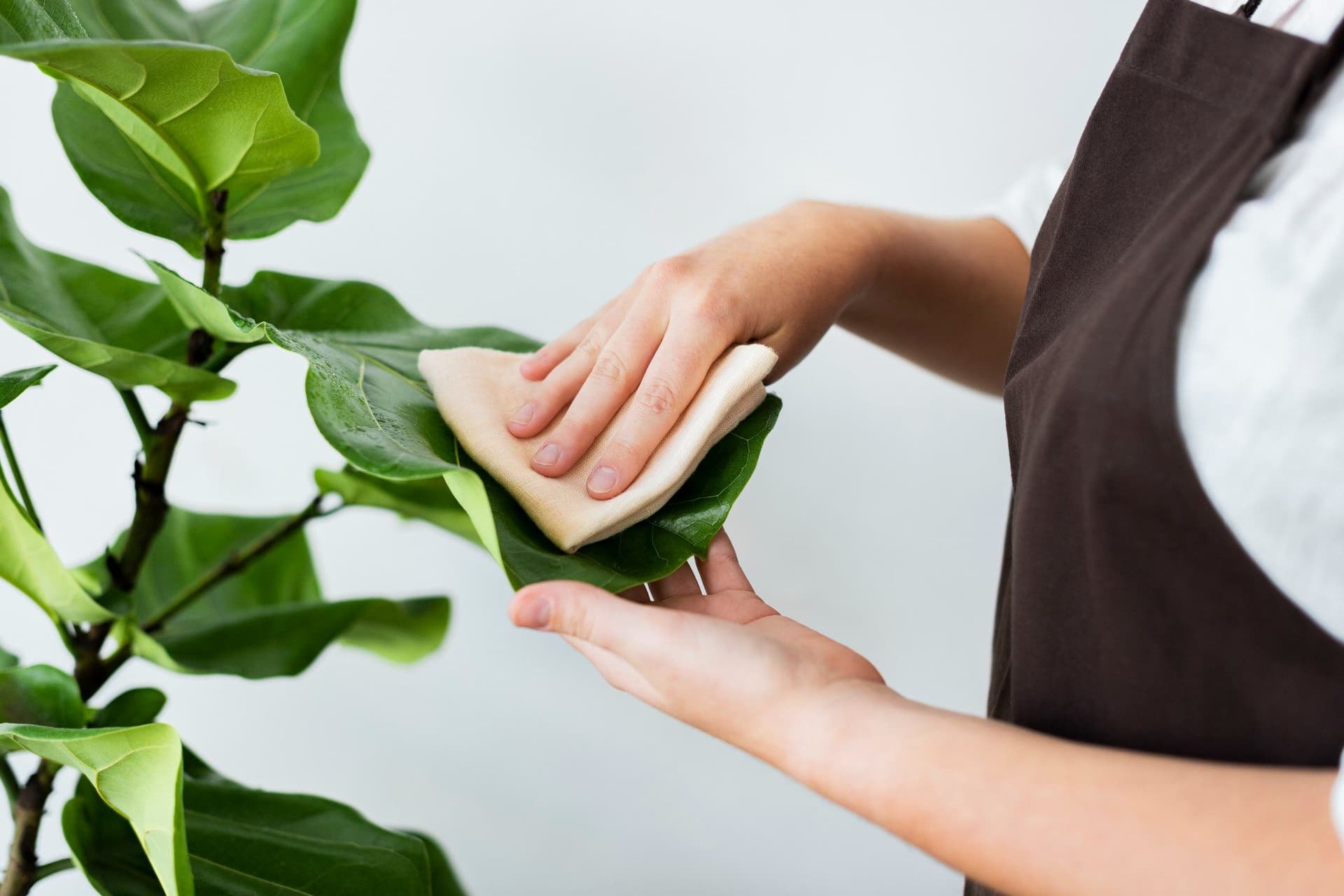
Dusty leaves look dull and don't absorb light well. Below, you'll find simple ways to clean them, which tools are truly effective, how often you should do it, and what causes damage.

Beginner Guides
How to Clean Plant Leaves: A Simple Care Guide
What Do Plants Need to Grow – 5 Things Every Greenery Can't Live Without

8 min read · 31 Jul 2026

What Do Plants Need to Grow – 5 Things Every Greenery Can't Live Without

To keep plants healthy and thriving, provide the right balance of light, humidity, nutrients, airflow, and quality soil. This guide covers the essentials of year-round plant care.

Beginner Guides
What Do Plants Need to Grow – 5 Things Every Greenery Can't Live Without
How Often to Water Fruit Trees

7 min read · 11 Aug 2026

How Often to Water Fruit Trees

Irrigation needs change as roots establish and weather shifts. This guide gives practical starting intervals, explains how soil and tree type change them, and shows how to recognize both excess moisture and drought stress.

Plant Care
How Often to Water Fruit Trees