



Best Soil for ZZ Plant (Zamioculcas zamiifolia)

Loose, well-drained soil helps Zamioculcas zamiifolia maintain healthy roots and rhizomes while still holding enough moisture for steady growth.

Soil Texture

Sandy, Loamy

Soil pH

Slightly acidic (6.5–7.0), Neutral (7.0)

Soil Drainage

Well-drained

Zamioculcas zamiifolia Soil Guide

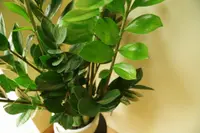
Native to eastern Africa, Zamioculcas zamiifolia grows in warm regions where soil drains quickly and does not stay wet for long. That background explains why ZZ Plant soil should feel airy and well-drained, with a sandy or loamy structure rather than dense, heavy material.

Its thick underground rhizomes store water, so the roots are better suited to a substrate that dries gradually and still holds some organic matter. The best soil for ZZ Plant balances moisture retention with strong aeration, which helps the root zone stay oxygen-rich instead of compacted.

A simple custom blend gives Zamioculcas zamiifolia the balance of airflow and light moisture retention it prefers in containers.

100% total mix = 20 scoops
15%
pine bark fines or orchid bark3 scoops
20%
coarse sand4 scoops
25%
perlite or pumice5 scoops
40%
potting soil8 scoops

The finished mix should feel loose, gritty, and slightly springy, with water moving through quickly instead of pooling around the roots.

A slightly acidic to near-neutral range of about 5.5–7.0 suits ZZ Plant well. Within that window, essential nutrients stay more available to the roots, which supports steady growth and balanced uptake.

This species is fairly adaptable, but extremes on either side can reduce how efficiently nutrients are absorbed. Keeping pH in the mildly acidic range is usually the most reliable target for container soil.

This species stores water in underground rhizomes, so prolonged heaviness around the roots can become a concern. Soil may be part of the issue if growth seems stalled or the mix stays unchanged for too long.

Compacted mix:

Compacted mix: If the surface hardens and water stops moving evenly through the pot, gently loosen the top layer and plan to refresh the substrate.

Poor drainage:

Poor drainage: If the container stays heavy long after watering, check for blocked drainage holes and move the plant into a faster-draining setup if needed.

Breakdown over time:

Breakdown over time: As organic particles decompose, the mix can become dense, so replace old soil that looks fine-textured and soggy.

Hydrophobic soil:

Hydrophobic soil: If very dry soil pulls from the pot edge and resists wetting, rehydrate it gradually so moisture spreads more evenly.

Match Plant to Soil

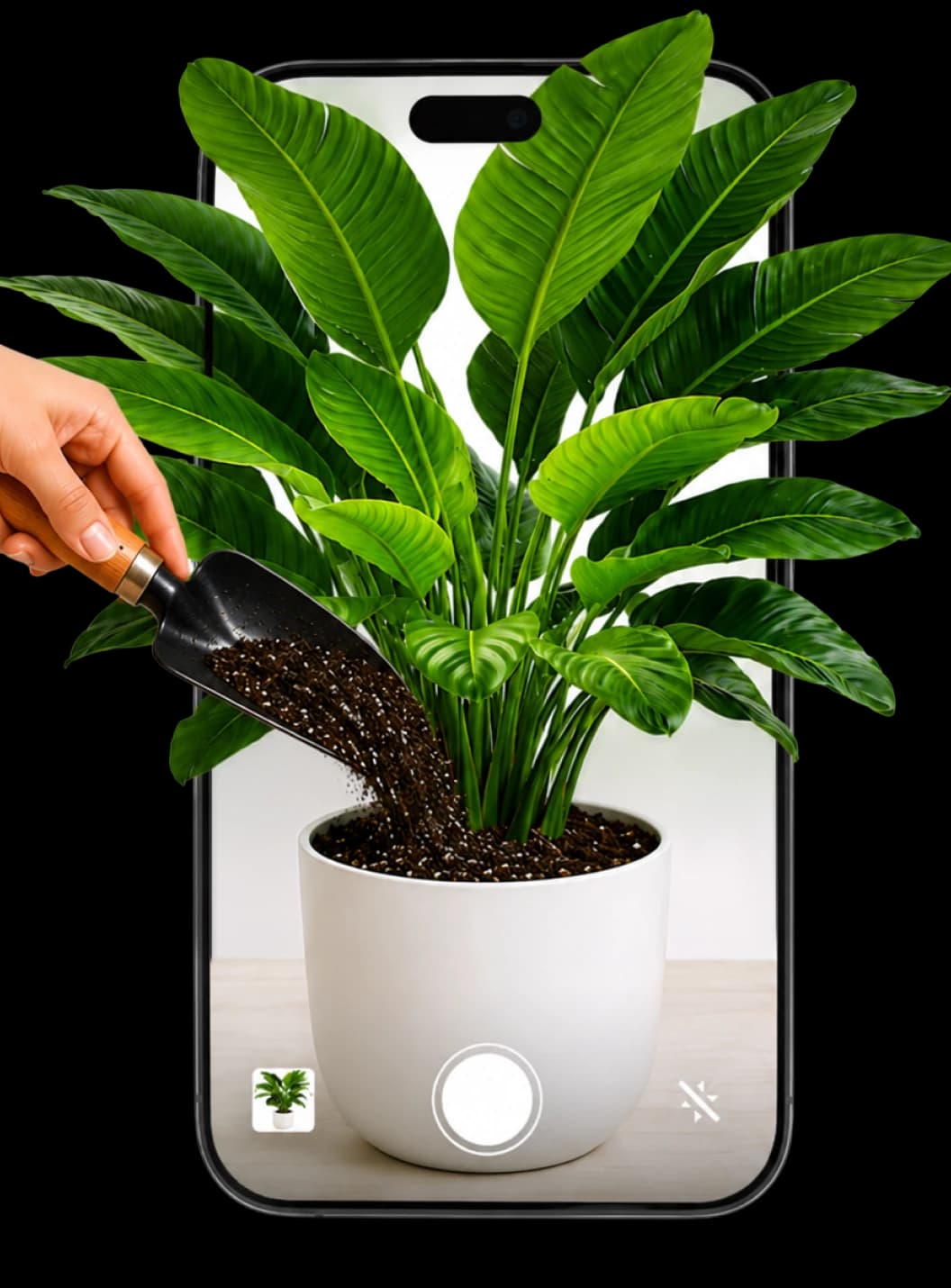
Botan helps match this plant to a more suitable substrate based on its growth pattern, container setup, and visible condition.

FAQ

Yes. Drainage holes help excess water leave the container, which lowers the risk of stagnant conditions around the roots and rhizomes. They also make ZZ Plant soil easier to manage over time.

More Plant Soil Guides

Scan for Soil Problems

Use Botan’s photo-based assessment to check whether a visible problem could be linked to the soil or root environment.

Botan app helping with soil and plant care
Best Time to Water Grass in Summer – Lawn Watering Tips

5 min read · 21 Jul 2026

Best Time to Water Grass in Summer – Lawn Watering Tips

Summer watering is easy to get wrong. This guide explains when to turn on your sprinkler, how much liquid your grass needs each week, and how to tell if you're overwatering or underwatering.

Plant Care
Best Time to Water Grass in Summer – Lawn Watering Tips
How to Tell if a Plant Is Dead

6 min read · 19 Aug 2026

How to Tell if a Plant Is Dead

A plant can lose its leaves, stop growing, or collapse and still remain alive. A closer look at the stems, roots, bulbs, and tubers can show whether the plant still has a chance to recover.

Beginner Guides
How to Tell if a Plant Is Dead
How to Clean Plant Leaves: A Simple Care Guide

6 min read · 4 Aug 2026

How to Clean Plant Leaves: A Simple Care Guide

Dusty leaves look dull and don't absorb light well. Below, you'll find simple ways to clean them, which tools are truly effective, how often you should do it, and what causes damage.

Beginner Guides
How to Clean Plant Leaves: A Simple Care Guide