


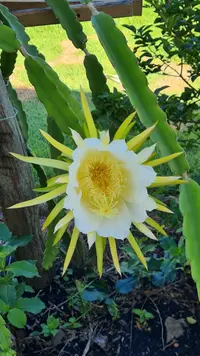

Best Soil for Ric Rac cactus (Selenicereus anthonyanus)

A loose, well-drained mix helps Selenicereus anthonyanus maintain healthy roots while still holding enough moisture and organic matter.

Soil Texture

Sandy, Loamy, Organic-rich

Soil pH

Acidic (5.5–6.5), Slightly acidic (6.5–7.0)

Soil Drainage

Well-drained

Selenicereus anthonyanus Soil Guide

Native to southern Mexico, Selenicereus anthonyanus grows in warm forests rather than dry desert ground. It often lives with loose organic debris around its roots, where moisture is available but excess water drains away quickly.

That background explains the best soil for Ric Rac cactus: airy, well-drained, and lightly moisture-retentive. A sandy-loamy texture with some organic content suits its relatively fine roots, which need oxygen as much as steady access to light moisture. Slightly acidic to near-neutral conditions support healthy root function.

A homemade mix gives Selenicereus anthonyanus the balance of airflow and light moisture retention it needs in containers.

100% total mix = 20 scoops
20%
perlite or pumice4 scoops
20%
coco coir or peat moss4 scoops
25%
orchid bark5 scoops
35%
cactus potting soil7 scoops

The finished blend should feel springy and crumbly, not heavy, and excess water should pass through without the container staying soggy.

This cactus is more likely to struggle in stale, compact media than in an open mix. Soil may be a factor when growth slows or the root zone stays unevenly damp.

Compacted mix:

Dense soil holds too little air and dries unevenly, so gently loosen the top layer and check whether the root zone has become packed.

Staying wet too long:

If the container remains heavy for several days, the mix may be breaking down, so pause watering and assess texture and drainage.

Hydrophobic soil:

Very dry organic material can repel water at first, so moisten it gradually and make sure moisture spreads through the full root area.

Salt buildup:

White crust on the soil surface can point to mineral accumulation, so scrape off the top layer and flush with clean water if drainage is good.

Soil Advice in Seconds

Botan helps match this plant to a more suitable substrate so soil choices are based on how it actually grows, not guesswork.

FAQ

Yes. Drainage holes are one of the simplest ways to keep the root zone from staying saturated too long, especially in an airy Ric Rac cactus soil mix.

More Plant Soil Guides

Check Your Soil Choice

If your plant looks off, Botan’s photo check can help you see whether soil conditions may be part of the problem.

Botan app helping with soil and plant care
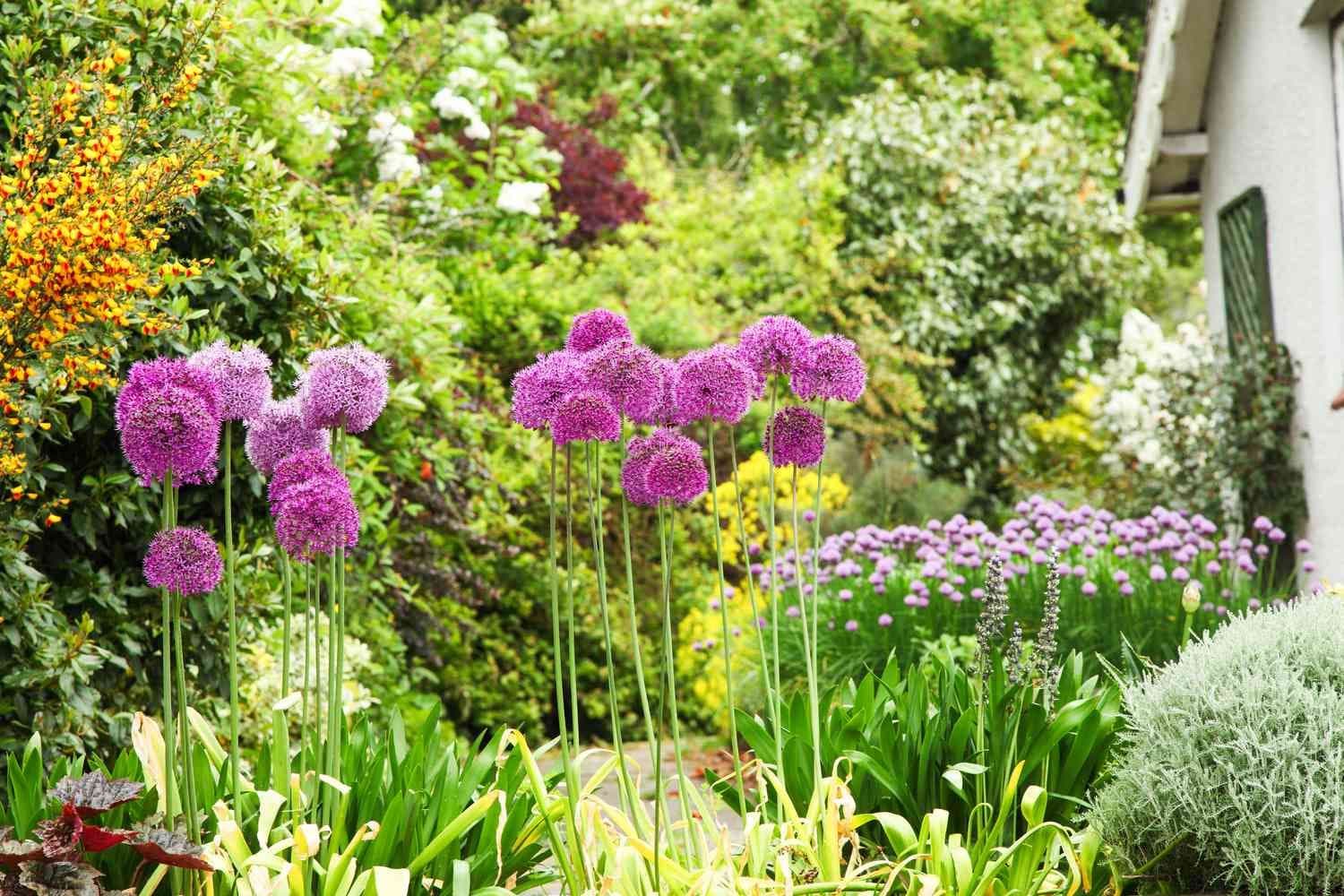
12 Best Plants for Bathroom That Thrive in Humid Conditions

9 min read · 29 Sept 2026

12 Best Plants for Bathroom That Thrive in Humid Conditions

Discover the 12 best plants for bathroom spaces. Each pick comes with its own advantages, plus light, humidity, watering, and placement tips. Take a look and match the plant to your specific bathroom.

Plant Recommendations
12 Best Plants for Bathroom That Thrive in Humid Conditions
Plants That Repel Bugs – 20 Effective Options

12 min read · 16 Jul 2026

Plants That Repel Bugs – 20 Effective Options

Mosquitoes on the patio? Gnats in the kitchen? Some plants keep them away with the scent of their own leaves. Here are 20 that deal with mosquitoes, flies, aphids, and more, plus where to put them so they help.

Plant Recommendations
Plants That Repel Bugs – 20 Effective Options
What Plants Don't Like Epsom Salt?

11 min read · 29 Jul 2026

What Plants Don't Like Epsom Salt?

Learn which plants can be seriously damaged by Epsom salt and which will thrive on it. We’ll explain when and how to use it properly, provide tips for indoor & outdoor plants — read on and enjoy a healthy garden.

Plant Care
What Plants Don't Like Epsom Salt?